Understanding the Unique Motifs of Indias Traditional Handcrafted Textiles
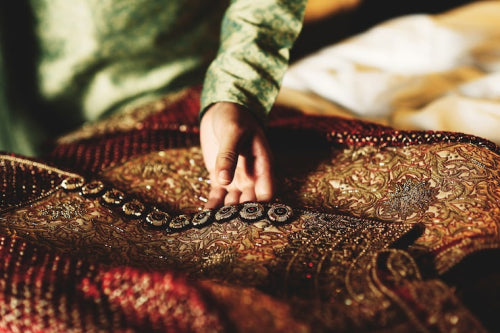
In a vibrant Varanasi workshop, an artisan's loom hums with purpose, weaving silk threads into a saree adorned with lotus motifs that echo ancient Indian scriptures. These handcrafted textiles etched with paisleys, peacocks, and geometric jaals are more than fabric; they are vessels of heritage, carrying India's cultural legacy into a world hungry for authenticity. As fast fashion fades, the meticulous craft of handloom weaving is gaining global acclaim, from Delhi's bustling markets to Dubai's chic boutiques. Platforms like IndieHaat are fueling this revival, connecting artisans directly to discerning consumers. This is the story of India's traditional textile motifs and their enduring relevance in today's fashion landscape.
Fast fashion erodes cultural heritage, sidelining artisans and reducing traditions to trends. At IndieHaat, we champion India's craftspeople with handcrafted sarees, apparel, décor, and skincare rooted in authenticity. Each piece embodies skill and ethical care. Support artisans and preserve India's timeless legacy Shop Now!
The Enduring Craft of Indian Motifs
India's handcrafted textiles are a vibrant chronicle of its cultural heritage. Each motif tells a story: the lotus of Banarasi silk symbolizes purity, while Kashmir's paisley reflects nature's abundance. Woven on traditional looms, these designs rooted in mythology, nature, and community transcend mere decoration. Artisans across India's villages craft these textiles using pure materials like silk, linen, and cotton, preserving authenticity in every thread. IndieHaat champions this craft, ensuring every piece is handmade and sourced directly from its creator, offering consumers a tangible link to India's artisanal traditions.
The global handloom market is flourishing, with forecasts projecting a value of USD 17.0 billion by 2033, up from USD 7.8 billion in 2023, driven by an 8.1% annual growth rate. This growth signals a shift toward slow fashion, where quality and ethics trump mass production. In markets like the US, UK, Singapore, Australia, and UAE, consumers are embracing Indian textiles for their unique designs and sustainable appeal, making them a cornerstone of wardrobes that value individuality and craftsmanship.
Reviving Tradition in Modern Fashion
The resurgence of traditional motifs in contemporary fashion is a deliberate movement. Designers are reimagining handwoven fabrics, blending them into modern cuts that resonate globally. In India, talents like Anavila Misra elevate linen sarees with understated block-printed motifs, creating timeless elegance. Internationally, collaborations with Indian artisans produce runway pieces that marry heritage with innovation. In multicultural hubs like Singapore and the UAE, Indian textiles infuse fusion fashion with vibrancy. IndieHaat's Instagram presence, featuring artisans like anilarubyraj and varshaoak, showcases silk scarves and cotton kurtas, connecting creators directly with global buyers.
This revival is driven by a global demand for sustainability. Consumers in IndieHaat's key markets India, US, Singapore, Australia, UK, and UAE seek eco-friendly textiles that carry cultural weight. IndieHaat's focus on natural fibers like silk and cotton aligns with this ethos, offering biodegradable, durable alternatives to fast fashion. Social media platforms Instagram, Facebook, and YouTube amplify this narrative, allowing artisans to share their processes and stories, fostering direct connections with eco-conscious consumers worldwide.
Weaving Motifs into Global Wardrobes
Indian textile motifs are making their mark across the globe. In Australia, a Kantha-stitched jacket, its embroidered patterns rooted in Bengali folklore, pairs seamlessly with denim. In the UK, a Banarasi silk stole with shimmering zari motifs elevates evening wear. IndieHaat plays a critical role here, curating handmade textiles that highlight these motifs while supporting artisan's livelihoods. By sourcing directly, the platform ensures authenticity, resonating with markets that prioritize ethical consumption.
A striking example comes from the UAE, where a boutique collaborated with IndieHaat artisans to launch a line of abayas featuring Chanderi silk with intricate jaal motifs. The collection sold out swiftly, underscoring the global allure of these designs. In the US, sustainable brands incorporate Gujarat's Ajrakh block prints into dresses and home decor, blending tradition with modern minimalism. These cases highlight how IndieHaat bridges artisans and global markets, bringing India's textile heritage to new audiences.
Overcoming Barriers to Adoption
Despite their appeal, handcrafted textiles face significant challenges. High pricing, driven by the labor-intensive craftsmanship and premium materials like silk, linen, and cotton, often deters budget-conscious buyers. A single handwoven saree may take weeks to craft, justifying its cost but posing a hurdle. IndieHaat addresses this by emphasizing the value of artisanal work, sharing weaver's stories to cultivate appreciation and justify the investment.
Trust issues also loom large. Online shoppers, unable to feel the fabric, may question authenticity. IndieHaat counters this with transparency, offering detailed product descriptions and artisan videos on Instagram and YouTube to showcase quality. While the inability to touch fabrics remains a challenge, high-quality visuals and customer testimonials build confidence across markets from Singapore to the UK. India's government supports this effort through programs like the Comprehensive Handloom Cluster Development Scheme, which bolsters over 3.5 million weavers, enhancing trust in handloom authenticity.
Capitalizing on Global Demand
The rising demand for sustainable fashion presents a golden opportunity for Indian handcrafted textiles. With the handloom market expected to double by 2033, regions like the US, UK, and UAE offer significant growth potential. IndieHaat's focus on authentic, artisan-sourced products positions it to seize this moment. Social media is transformative artisans like svishala74 use Instagram to display their looms, while YouTube videos reveal the weaving process, forging direct connections with global consumers.
In India, government initiatives empower artisans to scale their craft, sustaining a sector that supports millions. Internationally, the ethical fashion movement opens doors for IndieHaat in eco-conscious markets like Australia and Singapore. By emphasizing unique designs and pure fabrics, the platform taps into a growing appetite for products that blend tradition with sustainability, allowing consumers to embrace history while supporting artisans.
A Legacy Woven for the Future
As the world rediscovers handcrafted textiles, India's artisans stand at the intersection of heritage and innovation. Their motifs, born on ancient looms, carry timeless stories into modern wardrobes, thanks to platforms like IndieHaat. This is more than a fashion trend it's a movement to preserve a craft that sustains millions, from rural weavers to urban designers. Consumers in India, the US, Singapore, Australia, the UK, and the UAE can champion this legacy by choosing handmade textiles. Explore IndieHaat to discover these treasures, where every thread weaves a story of tradition and tomorrow.
Frequently Asked Questions
What are the most popular traditional motifs found in Indian handcrafted textiles?
Indian handcrafted textiles feature iconic motifs that carry deep cultural significance, including the lotus in Banarasi silk symbolizing purity, Kashmir's paisley reflecting nature's abundance, and geometric jaal patterns. Other popular designs include peacocks, block-printed patterns from Gujarat's Ajrakh tradition, and intricate Kantha embroidery from Bengal. These motifs, rooted in mythology and nature, are woven on traditional looms using pure materials like silk, linen, and cotton, making each piece a unique vessel of India's heritage.
Why are handcrafted Indian textiles more expensive than mass-produced fabrics?
Handcrafted Indian textiles command higher prices due to their labor-intensive creation process and premium natural materials. A single handwoven saree can take weeks to craft on traditional looms, with artisans meticulously weaving intricate patterns by hand using pure silk, cotton, or linen. The cost reflects not just the time and skill involved, but also the authenticity, durability, and cultural heritage embedded in each piece making these textiles valuable investments in sustainable, ethical fashion rather than disposable fast-fashion alternatives.
How is the global handloom market growing and what's driving demand for Indian textiles?
The global handloom market is experiencing significant growth, projected to reach USD 17.0 billion by 2033 from USD 7.8 billion in 2023, representing an 8.1% annual growth rate. This surge is driven by the worldwide shift toward sustainable and ethical fashion, with consumers in the US, UK, Singapore, Australia, and UAE increasingly seeking eco-friendly textiles with cultural authenticity. Indian handcrafted textiles appeal to modern buyers who value unique designs, biodegradable natural fibers, and the artisan stories behind each piece prioritizing quality and craftsmanship over mass-produced alternatives.
Disclaimer: The above helpful resources content contains personal opinions and experiences. The information provided is for general knowledge and does not constitute professional advice.
You may also be interested in: Buy Pure Silk Saree India: What Sets It Apart? – Indiehaat.com
Fast fashion erodes cultural heritage, sidelining artisans and reducing traditions to trends. At IndieHaat, we champion India's craftspeople with handcrafted sarees, apparel, décor, and skincare rooted in authenticity. Each piece embodies skill and ethical care. Support artisans and preserve India's timeless legacy Shop Now!
Powered by flareAI.co