What Makes Artisan-Made Clothing Different From Fast Fashion
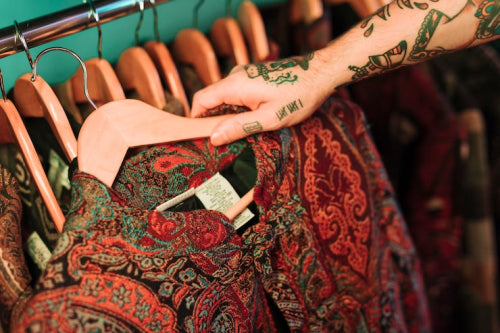
Clothing carries more than a function. It reflects choices about materials, makers, traditions, and the way people value what they wear. The difference between artisan-made clothing and fast fashion is not only about appearance or price. It is about how garments are created, how long they are designed to last, and the relationship between the wearer and the people behind the piece. Understanding this difference helps shoppers make more informed decisions when comparing handmade garments with mass-produced alternatives.
Fast fashion erodes cultural heritage, sidelining artisans and reducing traditions to trends. At IndieHaat, we champion India's craftspeople with handcrafted sarees, apparel, décor, and skincare rooted in authenticity. Each piece embodies skill and ethical care. Support artisans and preserve India's timeless legacy Shop Now!
What Is Artisan-made Clothing?
Artisan-made clothing is created through skilled craftsmanship, often involving techniques that are refined through years of practice and cultural knowledge. Instead of focusing only on speed and volume, artisan production places importance on the maker's skill, the quality of materials, and the details that make each garment distinctive.
Many handmade garments reflect the traditions of the communities where they are created. Weaving methods, embroidery styles, dyeing processes, and textile techniques often carry stories that connect generations of craftspeople. The result is clothing that represents both personal expression and a broader cultural heritage.
This approach also changes the way consumers view clothing. A handmade garment is often considered a piece to maintain, repair, and wear over time rather than something to replace as trends change. That mindset is closely connected with slow fashion, where thoughtful production and longer garment lifecycles become central considerations.
How Fast Fashion Changed the Way People Buy Clothes
Fast fashion developed around a model of producing large volumes of clothing quickly and making new styles available at low prices. This approach has changed consumer expectations around how often wardrobes should be updated, encouraging frequent purchases and short-term trend cycles.
The convenience of fast fashion can make clothing more accessible, but the model also creates challenges related to waste, resource use, and production practices. When garments are designed primarily for rapid turnover, considerations such as durability, repairability, and long-term value can become less prominent.
Research highlighted by fast fashion costs points to concerns around overproduction, waste, resource consumption, and labour conditions associated with high-volume apparel systems. These issues have encouraged more consumers to look for alternatives that provide greater transparency and a stronger connection between makers and buyers.
The Difference Between Handmade Clothing and Fast Fashion
The difference between handmade clothing and fast fashion can be understood through several important areas: production methods, craftsmanship, materials, and the value placed on each garment.
Craftsmanship Over Speed
Fast fashion prioritizes efficiency and scale, while artisan-made clothing prioritizes skill and attention to detail. Handmade garments may involve techniques that require significant time and expertise, from intricate embroidery to traditional textile work.
This focus on craftsmanship creates garments with individual character. Small variations in handmade pieces are often part of their appeal because they reflect the human process behind their creation. Instead of identical products designed for mass distribution, artisan clothing often highlights the individuality of both the maker and the wearer.
Intentional Production Instead of High Volume
Production quantity is another major distinction. Fast fashion relies on producing large numbers of items to meet changing demand quickly. Artisan production generally follows a more deliberate process, where makers create pieces with attention to technique and finish.
This difference influences how consumers think about ownership. A carefully made garment encourages a longer relationship between the person and the product, while disposable fashion cycles can encourage frequent replacement.
Quality and Longevity
One of the key benefits of handmade clothing is the emphasis on durability and thoughtful construction. When a garment is made with care, consumers may place greater value on maintaining it, repairing it, and incorporating it into their wardrobe for years.
Longer garment use can also reduce the pressure created by constant replacement. Environmental discussions around fashion often highlight the impact of short garment lifespans. For example, fast fashion environmental concerns include significant waste and resource consumption linked to modern clothing production.
Why Artisan-made Clothing Matters for Sustainable Fashion
Sustainable fashion is not only about the materials used in clothing. It also involves how garments are designed, produced, used, and valued throughout their lifecycle. Artisan-made clothing aligns with this perspective by encouraging more mindful purchasing decisions.
Traditional craftsmanship often works on a smaller scale, allowing greater attention to production choices and garment quality. Natural fibres, repair practices, and techniques passed through generations can support a more considered approach to clothing.
The contrast with fast fashion is especially visible in how garments are treated after purchase. A piece created with care is more likely to be viewed as something worth preserving rather than quickly replacing.
Practices such as mending, repurposing, and extending garment life have long existed in many cultures. The idea of keeping clothing useful for longer supports a more circular approach, where value is maintained instead of lost after a short period of use.
The Human Value Behind Artisan Clothing
Clothing is also connected to the people who make it. Artisan-made garments provide an opportunity to recognize the knowledge, creativity, and effort involved in traditional craft practices.
Behind each handmade piece is a process that may involve specialised skills developed over years. Supporting artisan work helps keep these skills visible and allows consumers to understand the story behind what they purchase.
This human connection creates a different relationship between buyer and garment. Instead of focusing only on seasonal trends or low prices, consumers can consider the craftsmanship, cultural meaning, and personal significance of a piece.
For brands that curate handcrafted products, sharing these stories can help shoppers understand why handmade clothing represents more than a style choice. It represents a connection between craftsmanship, community, and conscious consumption.
Choosing Between Fast Fashion and Artisan-made Clothing
The choice between fast fashion and artisan-made clothing depends on individual priorities, but several questions can help consumers make more thoughtful decisions:
- How was the garment made? Understanding production methods can reveal the difference between carefully crafted pieces and high-volume manufacturing.
- How long will the garment last? Considering durability and maintenance can shift attention from short-term trends to long-term value.
- Who created the piece? Learning about makers and craftsmanship adds context to the clothing we wear.
- Does the garment have a meaningful story? Handmade pieces often carry cultural and creative value beyond their physical design.
Making more conscious choices does not require replacing every item in a wardrobe immediately. It can begin with choosing fewer, better-considered pieces and understanding the impact of those decisions.
How Artisan-made Clothing Connects with Modern Consumers
Today's shoppers are increasingly interested in transparency, authenticity, and products that reflect personal values. Artisan-made clothing responds to this interest by offering a different perspective on fashion: one built around skill, heritage, and intentional design.
For consumers exploring sustainable fashion alternatives to fast fashion, handmade clothing provides an opportunity to think beyond trends. It invites people to consider where their clothes come from, how they are produced, and what makes a garment meaningful.
Curated platforms that bring artisan-made products to wider audiences help bridge the gap between traditional craftsmanship and modern shopping habits. By presenting handmade apparel alongside the stories and skills behind each creation, they make it easier for consumers to appreciate the value of responsible fashion choices.
Handmade Clothing Represents a Different Fashion Philosophy
The difference between artisan-made clothing and fast fashion goes beyond production speed or price. It reflects two different approaches to creating and consuming garments. Fast fashion is built around rapid cycles and high-volume availability, while artisan-made clothing focuses on craftsmanship, longevity, and the human effort behind each piece.
Understanding what is artisan-made clothing allows consumers to look at fashion through a wider lens. Every garment represents choices about materials, makers, traditions, and the future of clothing. Choosing handmade pieces can be a way to support thoughtful production while building a wardrobe shaped by quality, meaning, and lasting value.
Frequently Asked Questions
What is artisan-made clothing and how is it different from fast fashion?
Artisan-made clothing is created through skilled craftsmanship, traditional techniques, and careful attention to materials and details. Unlike fast fashion, which focuses on rapid production and high volumes, handmade clothing emphasizes quality, individuality, and longer-lasting value.
Why is artisan-made clothing considered a sustainable alternative to fast fashion?
Artisan-made clothing supports a more mindful approach to fashion by focusing on durability, thoughtful production, and longer garment lifecycles. Choosing handmade pieces can encourage consumers to value repair, reuse, and responsible purchasing instead of frequent replacement.
What are the benefits of choosing handmade clothing over mass-produced fashion?
The benefits of handmade clothing include unique designs, connection to traditional craftsmanship, and a greater understanding of the people behind each garment. Artisan-made pieces often offer a stronger sense of quality, cultural meaning, and personal value compared with mass-produced fashion.
Disclaimer: The above helpful resources content contains personal opinions and experiences. The information provided is for general knowledge and does not constitute professional advice.
You may also be interested in: Why Consumers Are Choosing Artisan Pieces Over Fast Fashion
Fast fashion erodes cultural heritage, sidelining artisans and reducing traditions to trends. At IndieHaat, we champion India's craftspeople with handcrafted sarees, apparel, décor, and skincare rooted in authenticity. Each piece embodies skill and ethical care. Support artisans and preserve India's timeless legacy Shop Now!
Powered by flareAI.co