How Handloom Clothing Supports Sustainable Fashion
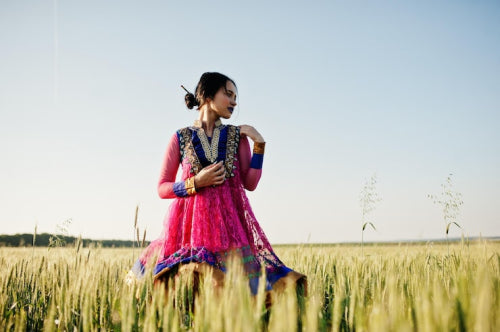
In an era where conscious consumption is no longer optional, handloom clothing stands out as a powerful alternative to the disposable culture of fast fashion. By embracing traditional weaving techniques and natural materials, handloom garments offer durability, style, and a direct connection to the artisans who create them. This approach not only reduces environmental impact but also empowers communities that have preserved these crafts for generations. For fashion enthusiasts seeking meaningful wardrobe choices, handloom clothing provides more than aesthetics it delivers longevity, ethical production, and a story that travels with each piece.
Fast fashion erodes cultural heritage, sidelining artisans and reducing traditions to trends. At IndieHaat, we champion India's craftspeople with handcrafted sarees, apparel, décor, and skincare rooted in authenticity. Each piece embodies skill and ethical care. Support artisans and preserve India's timeless legacy Shop Now!
The Enduring Strength of Traditional Indian Textiles
Indian handloom textiles have long demonstrated their superiority through centuries of refinement. Fabrics such as Kalamkari, Ajrakh, Muslin, Chikankari, and Patola rely on natural fibers, plant-based dyes, and labor-intensive handcrafting that avoids synthetic chemicals and excessive energy inputs. These methods, developed over centuries, prioritize local resources like indigo, madder, and pomegranate peels, resulting in biodegradable fabrics that connect deeply with regional ecosystems and cultural narratives.
Traditional Indian textiles demonstrate that sustainability has deep roots in heritage craftsmanship. As highlighted through ancient Indian textiles and sustainability, fabrics such as Kalamkari, Ajrakh, Muslin, Chikankari, and Patola have historically relied on natural materials, plant-based dyes, and handcrafted production methods that minimize synthetic chemicals and excessive energy use. These techniques use locally available resources such as indigo, madder, and pomegranate peels, creating biodegradable textiles closely connected to regional ecosystems and cultural traditions. The slow production processes emphasize durability, quality, and reduced waste, offering a meaningful alternative to the rapid consumption patterns of fast fashion. By preserving traditional knowledge and supporting artisan economies, these textile practices show how sustainability, craftsmanship, and cultural identity can work together to create a more responsible future for fashion.
Production remains deliberately slow, emphasizing quality and durability over volume. This contrasts sharply with the resource-intensive demands of fast fashion. Artisans rely on hand-spun yarns and meticulous processes that generate minimal waste, allowing fabrics to endure for generations. This heritage approach addresses key sustainability concerns including water conservation, reduced pollution, and biodiversity support.
Reducing Environmental Impact: a Comparison with Fast Fashion
Fast fashion's reliance on cheap synthetic materials, rapid production cycles, and mass manufacturing creates significant ecological strain. In contrast, handloom clothing's focus on natural fibers and traditional techniques produces garments that last far longer, reducing the need for frequent replacements. The slow-fashion movement champions this longevity, encouraging consumers to invest in fewer, higher-quality pieces that remain relevant in their wardrobes for years.
Consumers who choose handloom textiles often notice the difference immediately. The fabrics feel richer, drape beautifully, and resist fading or shrinking. This durability translates directly into lower overall environmental footprints for individual wardrobes and broader supply chains. By selecting artisan-made clothing, buyers contribute to practices that minimize water usage, chemical runoff, and textile waste issues that plague the global fashion industry.
Supporting Artisan Communities and Preserving Craft Traditions
Handloom production offers a direct pathway for artisans to reclaim their narratives and control the value of their work. In regions like Kutch, artisan-designers are transforming inherited weaving and printing traditions into contemporary sustainable enterprises. They blend generational skills with modern design sensibilities to create high-value, eco-conscious products that blend natural fibers, traditional techniques like Ajrakh block printing, and community-based production that prioritizes ethical labor and minimal environmental harm.
The revival of artisan-led sustainable enterprises in Kutch demonstrates how traditional crafts can adapt to modern markets while preserving cultural identity. According to Kutch weavers reclaiming sustainable crafts, artisan-designers are transforming inherited weaving and printing traditions into contemporary businesses by combining generational skills with modern design approaches. These creators emphasize natural fibers, traditional techniques such as Ajrakh block printing, and community-based production models that prioritize ethical labor and environmental responsibility.
Post-disaster recovery efforts have helped strengthen artisan resilience, enabling craftspeople to secure better value for their work and build independent enterprises. This approach supports rural livelihoods, protects endangered craft traditions, and provides alternatives to mass-produced synthetic textiles. By focusing on quality, traceability, and longevity, Kutch's weaver-entrepreneurs demonstrate how heritage craftsmanship can succeed in both luxury and everyday fashion markets while advancing sustainable practices.
Post-disaster recovery efforts in these areas have strengthened resilience, enabling artisans to command better prices and control their own stories through entrepreneurship. This model supports rural livelihoods, preserves cultural techniques, and offers viable alternatives to mass-produced synthetics. By focusing on quality, traceability, and longevity, these weaver-entrepreneurs demonstrate how handloom can thrive in both luxury and everyday markets, driving demand for authentic, low-impact textiles.
In Kutch, artisan-designers are transforming inherited weaving and printing traditions into contemporary sustainable enterprises, blending generational skills with modern design sensibilities to create high-value, eco-conscious products. These weavers emphasize natural fibers, traditional techniques like Ajrakh block printing, and community-based production that prioritize ethical labor and minimal environmental harm. Post-disaster recovery efforts have strengthened resilience, enabling artisans to command better prices and control their narratives through entrepreneurship. This model supports rural livelihoods, preserves cultural techniques, and offers alternatives to mass-produced synthetics by focusing on quality, traceability, and longevity.
Consumers benefit from unique pieces that carry stories of craftsmanship while contributing to economic empowerment in vulnerable regions. The rise of these weaver-entrepreneurs demonstrates how handloom can thrive in luxury and everyday markets, driving demand for authentic, low-impact textiles. By reclaiming credit and innovating within tradition, Kutch's craftspeople illustrate the business case for sustainable fashion rooted in heritage, where social impact, environmental stewardship, and creative expression reinforce one another to build more equitable and resilient supply chains.
Challenges and Opportunities in Scaling Handloom Production
While the benefits of handloom clothing are clear, scaling these practices requires addressing practical hurdles. Limited production capacity, geographic concentration of skilled artisans, and competition from lower-cost machine-made alternatives can constrain widespread adoption. Supply chain complexities, including the need for consistent high-quality raw materials, also demand careful navigation.
Yet opportunities abound. Digital platforms and e-commerce marketplaces are democratizing access to these crafts, allowing artisans to reach global audiences while maintaining fair-trade principles. Brands that prioritize traceability and direct artisan partnerships are seeing growing consumer loyalty. As awareness spreads, the slow-fashion movement continues to gain momentum, creating pathways for more artisans to professionalize their businesses without diluting traditional methods.
Practical Tips for Choosing Handloom Clothing
- Look for labels that highlight natural fibers and traditional techniques, such as Ajrakh or Kalamkari.
- Verify ethical sourcing through stories from the artisans themselves or transparent supply-chain documentation.
- Choose versatile pieces that can be styled across seasons and occasions, maximizing wardrobe longevity.
- Support local or regional artisan cooperatives to strengthen community economies.
- Consider the entire lifecycle: a well-made handloom garment often outperforms synthetic alternatives in both performance and environmental cost.
Building a Wardrobe That Aligns with Sustainable Values
Handloom clothing fits seamlessly into modern wardrobes when selected thoughtfully. Start with a few signature pieces perhaps a block-printed kurta, a handwoven dupatta, or an artisan-made accessory and build around them. The resulting collection feels curated rather than overwhelming, with each item telling its own story of craftsmanship and heritage.
Over time, this approach creates a wardrobe that is both personally meaningful and environmentally responsible. It encourages mindful shopping, reduces impulse buys, and fosters a deeper appreciation for the human element behind every garment. In an age where style and sustainability increasingly converge, handloom clothing offers a compelling path forward for those who refuse to compromise on either.
As consumers continue to seek more meaningful ways to express themselves through fashion, handloom clothing remains at the forefront of the sustainable revolution. By choosing garments that honor tradition while embracing innovation, individuals can support thriving artisan communities, protect natural resources, and build wardrobes that last. The future of fashion is woven into our hands one handloom piece at a time.
Frequently Asked Questions
How does handloom clothing support sustainable fashion?
Handloom clothing supports sustainable fashion by using traditional weaving techniques, natural fibers, and low-impact production methods that reduce waste and environmental harm. These garments are often more durable than fast fashion alternatives, helping consumers build longer-lasting wardrobes while supporting eco-conscious choices.
How does buying handloom clothing help artisan communities?
Buying handloom clothing helps artisan communities by providing income opportunities and preserving generations-old weaving and textile traditions. Supporting artisan-made garments encourages ethical production, fair value for craftsmanship, and the growth of sustainable fashion businesses rooted in cultural heritage.
Why are Indian handloom textiles considered environmentally friendly?
Indian handloom textiles are considered environmentally friendly because they often use natural materials, plant-based dyes, and artisan-led processes that require less energy than industrial manufacturing. Fabrics like Kalamkari, Ajrakh, Muslin, Chikankari, and Patola preserve traditional craftsmanship while promoting biodegradable and sustainable fashion practices.
Disclaimer: The above helpful resources content contains personal opinions and experiences. The information provided is for general knowledge and does not constitute professional advice.
You may also be interested in: The Revival of Indias Handloom Heritage Amid Growing
Fast fashion erodes cultural heritage, sidelining artisans and reducing traditions to trends. At IndieHaat, we champion India's craftspeople with handcrafted sarees, apparel, décor, and skincare rooted in authenticity. Each piece embodies skill and ethical care. Support artisans and preserve India's timeless legacy Shop Now!
Powered by flareAI.co