Versatile Fabrics Bridge Traditional and Professional Attire
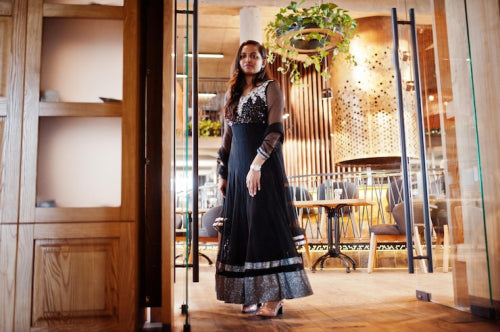
In boardrooms and bustling streets alike, a quiet revolution is unfolding in wardrobes across India and beyond. Professionals who once reserved handwoven sarees or intricate kurtas strictly for festivals and family events are now pairing them effortlessly with tailored blazers or crisp chinos for the workday. Versatile fabrics rooted in centuries-old craftsmanship are bridging the gap between traditional elegance and modern professional demands, offering comfort, sustainability, and a touch of cultural depth that synthetic alternatives often lack.
Fast fashion erodes cultural heritage, sidelining artisans and reducing traditions to trends. At IndieHaat, we champion India's craftspeople with handcrafted sarees, apparel, décor, and skincare rooted in authenticity. Each piece embodies skill and ethical care. Support artisans and preserve India's timeless legacy Shop Now!
The Rise of Everyday Handloom
Handloom products have long symbolized heritage, but their role is expanding rapidly. Consumers worldwide are turning to sustainable textiles that deliver unique, culturally significant pieces aligned with eco-conscious values. In India, ethnic wear remains deeply embedded in daily life, from office attire to celebratory occasions, reflecting a broader shift toward garments that feel personal and purposeful.
What makes this transition possible is the inherent adaptability of natural fibers like cotton, silk, and linen. These materials breathe with the wearer, soften over time, and adapt seamlessly to both humid Indian summers and air-conditioned corporate environments. Artisans are reimagining classic weaves lightweight cottons for ease of movement, subtle silk blends for refined polish making them suitable not just for weddings but for Monday morning meetings as well.
Why Traditional Fabrics Suit Professional Settings
Comfort lies at the heart of this evolution. Unlike stiff synthetics that trap heat or wrinkle easily, handloom cotton regulates temperature naturally, keeping the wearer cool during commutes and composed during long presentations. Durability adds another layer of appeal: a well-crafted kurta or stole often improves with age, developing a softer hand feel that mass-produced clothing rarely achieves.
Versatility shines through thoughtful styling. A handprinted cotton kurta pairs seamlessly with formal trousers for a polished yet approachable appearance. An embroidered scarf draped over a simple blouse introduces texture and heritage without overwhelming a minimalist office aesthetic. Even sarees have evolved, with lighter drapes and pre-stitched variants allowing professionals to move freely while honoring tradition.
This blend appeals particularly to younger generations balancing cultural roots with global careers. They value pieces that tell a story, whether through regional motifs from Banarasi weaves or sustainable practices that reduce environmental impact.
Market Momentum Behind the Trend
The appetite for such versatile attire is reflected in steady industry interest. The Indian ethnic wear sector continues to expand as consumers embrace traditional garments for both special occasions and everyday use. Similarly, demand for handcrafted sarees shows healthy growth, pointing to strong appreciation for varieties that blend heritage with contemporary design.
Handicrafts and handloom segments benefit from rising demand for authentic, eco-friendly products. Government initiatives supporting artisans, combined with e-commerce platforms that connect makers directly to buyers, have made these fabrics more accessible than ever. Independent retailers and online stores play a vital role, offering curated selections that prioritize quality over quantity.
Practical Ways to Incorporate Versatile Fabrics
Transitioning your wardrobe need not be drastic. Start small: introduce a breathable handloom cotton shirt under a structured jacket for a smart-casual office vibe. Layer a lightweight stole with traditional prints over neutral separates to add interest without overwhelming formality.
- Choose breathable cottons for humid climates or active days.
- Opt for subtle silk blends when a touch of luster is needed for client meetings.
- Experiment with regional crafts Chanderi for lightness, linen for structure to match seasonal needs.
- Pair handprinted textiles with modern tailoring for an effortless fusion look.
These choices not only elevate personal style but also support artisan communities whose skills have been passed down through generations. Each purchase becomes a small yet meaningful act of preserving cultural narratives in a fast-paced world.
Styling Tips for Different Professions
In creative industries, bolder embroidered goods or zari accents can express individuality with confidence. For corporate roles, muted handprinted scarves or solid linen kurtas maintain professionalism while injecting subtle personality. Educators and consultants often favor comfortable yet dignified silhouettes that allow freedom of movement during long hours of engagement.
The key lies in balance: let the fabric's natural texture and subtle craftsmanship speak for themselves, rather than relying on loud patterns or excessive embellishment.
Addressing Common Misconceptions
Some assume traditional attire is too formal or fragile for daily professional life. In reality, many handloom fabrics prove robust and easy to maintain, with proper care actually enhancing their longevity over time. Others worry about versatility, yet modern adaptations such as fusion cuts and lighter weights demonstrate how beautifully these pieces adapt to contemporary lifestyles.
Sustainability concerns also surface occasionally, but handloom production typically involves lower energy consumption and fewer chemicals compared to fast fashion. The result is clothing that feels good ethically as well as physically on the body.
The Cultural and Personal Value
Beyond aesthetics and practicality, wearing versatile traditional fabrics reconnects individuals with India's rich textile heritage. Each motif or weave carries regional stories from the intricate patterns of South Indian silks to the vibrant prints of Rajasthan. In professional spaces, this adds depth and serves as natural conversation starters, humanizing interactions in otherwise sterile environments.
Consumers increasingly seek items that transcend fleeting trends, favoring pieces that age gracefully and reflect conscious choices. This shift signals a deeper appreciation for craftsmanship over mere convenience.
Looking Ahead: Tradition Meets Tomorrow
As workplaces evolve toward greater flexibility and personal expression, versatile fabrics from India's handloom and handicraft traditions stand ideally positioned to lead the way. They offer more than clothing they provide a meaningful bridge between past wisdom and future needs, combining timeless elegance with modern functionality.
Whether stepping into a conference room or navigating a busy day, these textiles remind us that professional attire can honor heritage while fully embracing progress. The next time you reach for your wardrobe, consider a handcrafted piece. It might just transform how you feel and present yourself, one thoughtful thread at a time.
In embracing these versatile fabrics, we not only elevate our daily style but also sustain the skilled hands that keep India's textile legacy alive and vibrant for generations to come. This quiet integration of tradition into professional life enriches both the individual and the broader cultural fabric we all share.
Frequently Asked Questions
Can traditional Indian handloom fabrics be worn in professional or corporate settings?
Yes, traditional handloom fabrics like cotton, silk, and linen are well-suited for professional environments. Their natural temperature-regulating properties keep wearers comfortable during long workdays, while thoughtful styling such as pairing a handprinted kurta with formal trousers creates a polished, approachable look. Modern adaptations like lighter drapes and fusion cuts make it easy to honor cultural heritage without sacrificing professionalism.
What are the most versatile traditional Indian fabrics for everyday and office wear?
Handloom cotton is ideal for humid climates and active days due to its breathability, while subtle silk blends add refined polish for client-facing roles. Chanderi is prized for its lightness, and linen offers natural structure both work well across seasons. These fabrics improve with age and outperform synthetic alternatives in both comfort and durability.
Are handloom and traditional Indian textiles a sustainable clothing choice?
Handloom production typically consumes less energy and uses fewer chemicals compared to fast fashion manufacturing, making it a more eco-friendly option. Beyond environmental benefits, buying handcrafted textiles directly supports skilled artisan communities whose techniques have been passed down through generations. Each purchase helps preserve India's regional textile heritage from Banarasi weaves to Rajasthani prints while reducing the cultural erosion driven by mass-produced clothing.
Disclaimer: The above helpful resources content contains personal opinions and experiences. The information provided is for general knowledge and does not constitute professional advice.
You may also be interested in: Natural Fabrics for Clothing: A Buyers Guide - Indiehaat.com
Fast fashion erodes cultural heritage, sidelining artisans and reducing traditions to trends. At IndieHaat, we champion India's craftspeople with handcrafted sarees, apparel, décor, and skincare rooted in authenticity. Each piece embodies skill and ethical care. Support artisans and preserve India's timeless legacy Shop Now!
Powered by flareAI.co