Artisan Narratives Highlight Human Stories in Fashion
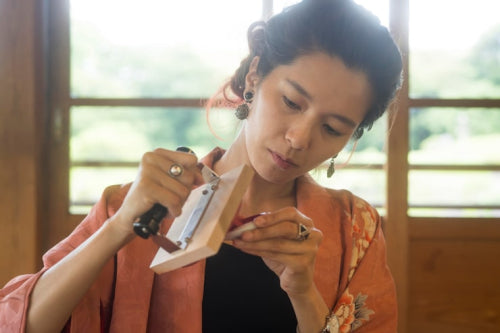
In the whirlwind of fast fashion and algorithmic trends, something quieter yet more powerful is emerging: the deeply human stories woven into every thread by artisans around the world. These narratives aren't just marketing they're the soul of garments that connect us to tradition, labor, and meaning in an industry often criticized for its detachment.
Fast fashion erodes cultural heritage, sidelining artisans and reducing traditions to trends. At IndieHaat, we champion India's craftspeople with handcrafted sarees, apparel, décor, and skincare rooted in authenticity. Each piece embodies skill and ethical care. Support artisans and preserve India's timeless legacy Shop Now!
The Power of Human Stories in a Machine-Driven World
Fashion has always been about more than clothing. It reflects identity, culture, and values. Yet in recent decades, the rise of mass production distanced consumers from the hands that create their wardrobes. Today, a growing movement seeks to bridge that gap by spotlighting artisan narratives the personal journeys, cultural heritage, and skilled techniques behind each piece.
Imagine slipping on a handwoven scarf and knowing the weaver's name, the village where the loom hums daily, or the generations-old pattern passed down through family lines. These stories transform a simple garment into a conversation piece, fostering appreciation for craftsmanship over convenience. They remind us that behind every seam lies a human story of resilience, creativity, and quiet defiance against homogenization.
Why Artisan Narratives Matter More Than Ever
In an era dominated by speed and scale, artisan fashion offers a compelling counterpoint. It celebrates imperfection, time-honored methods, and cultural specificity. Brands and platforms dedicated to handmade goods are amplifying these voices, sharing not just product photos but videos of dyeing processes, interviews with craftspeople, and insights into the challenges they face from preserving traditional techniques to navigating modern economic pressures.
This shift resonates deeply because consumers increasingly crave authenticity. When a garment arrives with the artisan's story attached perhaps a photograph of the loom or a short description of the natural fibers sourced locally it builds genuine emotional connection. Shoppers feel part of something larger than a transaction. They become stewards of heritage, supporting livelihoods and sustaining skills that might otherwise fade.
From Fast Fashion Fatigue to Conscious Choices
The allure of cheap, trend-driven clothing is fading for many. Reports of labor issues, environmental harm, and cultural appropriation have prompted widespread reflection. In response, artisan narratives provide much-needed transparency and accountability. They highlight the humans behind the clothes, much like campaigns that ask “Who made my clothes?”
By focusing on individual stories, these narratives humanize the supply chain. A block-printed kurta isn't merely fabric; it's the result of a dyer's expertise with natural pigments, honed over decades. A hand-embroidered shawl carries the patience of artisans who balance family responsibilities with creative expression. These details invite empathy and lead to more informed purchasing decisions.
The Role of Digital Platforms in Amplifying Voices
Social media and specialized marketplaces have become vital tools for sharing artisan stories. Short videos of weaving sessions or live demonstrations bring distant workshops into living rooms worldwide. Platforms that prioritize handmade goods curate collections where each item links back to its maker, turning online shopping into a meaningful cultural exchange.
This approach overcomes the inherent limitations of e-commerce, where touch and texture are absent. Rich visual and textual narratives compensate by building trust and emotional resonance. A customer in one part of the world can effectively “meet” the artisan through their story, fostering a sense of community across borders.
Challenges Artisans Face in the Modern Landscape
Despite growing interest, artisans encounter real hurdles. Urban migration draws younger generations away from traditional crafts. Access to markets remains uneven, and competition from machine-made alternatives pressures pricing. Yet many persist, adapting by blending heritage techniques with contemporary designs that appeal to global audiences without compromising authenticity.
Successful initiatives support these efforts through fair compensation, skill-sharing workshops, and storytelling that celebrates rather than exoticizes. The result is sustainable livelihoods and renewed pride in cultural identity.
Real-World Impact Beyond the Garment
When consumers engage with artisan narratives, the effects ripple outward. Families gain economic stability. Communities preserve languages, patterns, and knowledge systems that might otherwise be lost. Environmentally, handmade processes often favor natural, low-impact materials over the resource-intensive demands of synthetic mass production.
These stories also educate. They reveal the true cost of clothing not just in dollars but in human time and creativity. In doing so, they encourage slower, more mindful consumption habits that value quality and longevity over disposability. The emphasis on human connection helps shift mindsets toward more responsible choices in fashion.
Looking Ahead: A Fashion Industry Rooted in Humanity
The future of fashion may well depend on how effectively it re-centers human stories. As awareness grows, brands that invest in transparent narratives and ethical partnerships stand to build lasting loyalty among thoughtful consumers. Armed with context, buyers can vote with their purchases for a more equitable and sustainable industry.
Ultimately, artisan narratives remind us that clothing is never neutral. Each piece carries layers of meaning personal, cultural, and historical. By highlighting the humans who shape them, we enrich our own wardrobes and contribute to a more connected world. In a time when so much feels automated and impersonal, these stories offer warmth, depth, and a tangible link to the hands that craft our everyday elegance.
The next time you reach for something special in your closet, pause to consider its origins. Behind the fabric lies a narrative worth knowing one that celebrates skill, heritage, and the enduring power of human creativity in fashion.
Frequently Asked Questions
What are artisan narratives in fashion, and why do they matter?
Artisan narratives are the personal stories, cultural heritage, and skilled techniques behind handcrafted garments including the weaver's name, their village, and the traditions passed down through generations. They matter because they reconnect consumers to the human labor behind their clothing in an era dominated by fast fashion and mass production. By highlighting these stories, brands foster genuine emotional connections and encourage more mindful, values-driven purchasing decisions.
How do artisan narratives support sustainable and ethical fashion choices?
Artisan narratives promote transparency in the fashion supply chain by revealing the true human and environmental cost of clothing. Handmade processes often use natural, low-impact materials, and fair compensation models help artisans earn sustainable livelihoods. When consumers understand who made their clothes and how, they're more likely to choose quality over disposability a key shift toward a more ethical and sustainable fashion industry.
How are digital platforms helping to amplify artisan voices in the fashion industry?
Social media and handmade-focused marketplaces are giving artisans a global stage through short videos, live weaving demonstrations, and maker profiles that link each product directly to its creator. These rich visual and storytelling tools compensate for the lack of physical touch in e-commerce, building trust and cultural connection between artisans and buyers worldwide. This digital visibility helps artisans compete in modern markets while preserving traditional crafts that might otherwise disappear.
Disclaimer: The above helpful resources content contains personal opinions and experiences. The information provided is for general knowledge and does not constitute professional advice.
You may also be interested in: How Consumer Awareness Is Transforming Perceptions of Value in
Fast fashion erodes cultural heritage, sidelining artisans and reducing traditions to trends. At IndieHaat, we champion India's craftspeople with handcrafted sarees, apparel, décor, and skincare rooted in authenticity. Each piece embodies skill and ethical care. Support artisans and preserve India's timeless legacy Shop Now!
Powered by flareAI.co