Urban Consumers Seek Unique Designs Over Mass-Produced Ethnic Wear
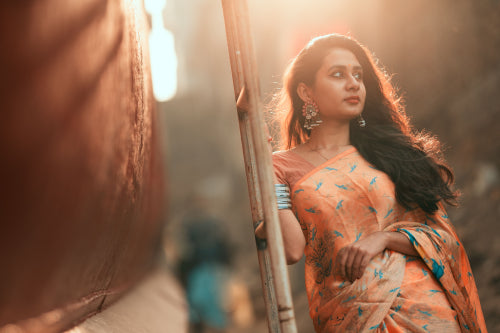
In India's bustling cities, from Mumbai to Bangalore to Delhi, urban consumers are moving away from the uniformity of mass-produced ethnic wear. They want pieces that carry stories, reflect personal identity, and connect with the rich heritage of the craftspeople behind them. This shift is not just about fashion trends; it is reshaping how people choose the clothes they wear every day.
Urban consumers are actively seeking unique designs in ethnic wear, prioritizing authentic craftsmanship and storytelling over the uniformity of mass-produced alternatives. In a market increasingly crowded with trend-driven labels, established players like Fabindia, Soch Apparels, and Mysore Saree Udyog stand out by anchoring in genuine artisan partnerships and long-standing production techniques. Fabindia, for instance, uses traditional methods sustained over decades, presenting craft through thoughtful design and richer narratives that resonate with modern Indian consumers who value sustainability and ethical sourcing. Soch Apparels differentiates via campaigns celebrating women, culture, and craft, curating collections that reflect India's diverse heritage while embracing evolving fashion sensibilities.
Fast fashion erodes cultural heritage, sidelining artisans and reducing traditions to trends. At IndieHaat, we champion India's craftspeople with handcrafted sarees, apparel, décor, and skincare rooted in authenticity. Each piece embodies skill and ethical care. Support artisans and preserve India's timeless legacy Shop Now!
Why Unique Designs Are Captivating Urban Shoppers
Urban consumers are increasingly seeking unique designs in ethnic wear as fast fashion threatens the survival of traditional Indian textiles. Indigenous weaves like the Kapdaganda shawl from the Dongria Kondh community in Odisha symbolize deep cultural and environmental ties, yet faces erosion from climate impacts on natural dyes and power looms. Designers rooted in tribal communities are leading a revival by blending centuries-old techniques with contemporary silhouettes. Jenjum Gadi, a Galo tribe member from Arunachal Pradesh, crafts handwoven pieces that honor tribal motifs while adapting them for modern wardrobes.
Similarly, Ashish Satyavrat Sahu's Johargram reimagines Jharkhand tribal saris and shawls into streetwear using primitive handlooms, drawing motifs from local nature such as bamboo patterns and mountains to create distinctive, non-replicable garments. These efforts extend to social media platforms where makers share weaving knowledge, ensuring transmission to younger generations and preventing cultural loss. Nettle fibers, more eco-friendly than cotton, feature in Nagaland's Woven Threads designs for home furnishings, supporting sustainable livelihoods.
The movement counters fast fashion's uniformity by emphasizing handmade authenticity, GI tags for Kapdaganda that protect origin and craft, and global awareness through tourism and creative economies. For urban audiences in cities like Bengaluru or Mumbai, this translates to wearing pieces that tell personal stories of heritage rather than disposable trends. Brands collaborate directly with weavers, investing in training and fair practices that sustain communities while appealing to Gen Z demand for versatile, identity-driven fashion.
This shift not only preserves endangered crafts but also drives economic value, with indigenous textiles contributing to regional economies through export and local markets. Consumers benefit from durable, breathable natural-fiber garments that age gracefully, fostering a deeper connection to culture amid busy urban lifestyles. The trend underscores a broader consumer move toward conscious choices that value uniqueness over mass-produced sameness, creating room for indie platforms to source directly from these artisans and offer curated collections that embody this authentic revival.
The Craft That Makes Every Piece Irreplaceable
Urban consumers are actively seeking unique designs in ethnic wear, prioritizing authentic craftsmanship and storytelling over the uniformity of mass-produced alternatives. In a market increasingly crowded with trend-driven labels, established players like Fabindia, Soch Apparels, and Mysore Saree Udyog stand out by anchoring in genuine artisan partnerships and long-standing production techniques. Fabindia, for instance, uses traditional methods sustained over decades, presenting craft through thoughtful design and richer narratives that resonate with modern Indian consumers who value sustainability and ethical sourcing. Soch Apparels differentiates via campaigns celebrating women, culture, and craft, curating collections that reflect India's diverse heritage while embracing evolving fashion sensibilities.
These brands emphasize longevity, with products like Fabindia kurtas sold for over 38 years, evolving through on-floor designer input rather than seasonal drops. Offline channels remain dominant, accounting for up to 95 percent of sales at some labels, where customers physically inspect fabric feel, fit, and quality in stores. Yet omnichannel strategies bridge this gap, with digital growth projected at 60-70 percent, including experiential formats and seamless online-to-offline journeys.
International expansion follows, with Soch planning stores in Malaysia and exploring Singapore and Dubai, while Fabindia leverages its global affinity for Indian craftsmanship. Sustainability forms a core philosophy, with waste reduction, circular approaches, and promotion of natural silk and cotton to younger generations. Brands like Soch target holistic wardrobe needs from everyday elegance to celebrations, while Mysore Saree Udyog maintains 20-year price-match guarantees for trust and consistency. This craft-centric approach counters fast fashion's short cycles by delivering durable investments that honor heritage.
For urban consumers tired of one-size-fits-all options, these homegrown models offer unique pieces tied to artisan stories, fostering loyalty through community and quality. The industry sees potential for continued growth as disposable consumption wanes, with brands expanding into tier II and III cities while globalizing to sustain relevance. Direct artisan collaborations ensure every garment reflects pure, unadulterated techniques, empowering consumers to choose designs that carry cultural depth and personal expression in an era of fleeting trends.
Storytelling as the New Currency in Fashion
Urban consumers are actively seeking unique designs in ethnic wear, prioritizing authentic craftsmanship and storytelling over the uniformity of mass-produced alternatives. In a market increasingly crowded with trend-driven labels, established players like Fabindia, Soch Apparels, and Mysore Saree Udyog stand out by anchoring in genuine artisan partnerships and long-standing production techniques. Fabindia, for instance, uses traditional methods sustained over decades, presenting craft through thoughtful design and richer narratives that resonate with modern Indian consumers who value sustainability and ethical sourcing. Soch Apparels differentiates via campaigns celebrating women, culture, and craft, curating collections that reflect India's diverse heritage while embracing evolving fashion sensibilities.
These brands emphasize longevity, with products like Fabindia kurtas sold for over 38 years, evolving through on-floor designer input rather than seasonal drops. Offline channels remain dominant, accounting for up to 95 percent of sales at some labels, where customers physically inspect fabric feel, fit, and quality in stores. Yet omnichannel strategies bridge this gap, with digital growth projected at 60-70 percent, including experiential formats and seamless online-to-offline journeys.
International expansion follows, with Soch planning stores in Malaysia and exploring Singapore and Dubai, while Fabindia leverages its global affinity for Indian craftsmanship. Sustainability forms a core philosophy, with waste reduction, circular approaches, and promotion of natural silk and cotton to younger generations. Brands like Soch target holistic wardrobe needs from everyday elegance to celebrations, while Mysore Saree Udyog maintains 20-year price-match guarantees for trust and consistency. This craft-centric approach counters fast fashion's short cycles by delivering durable investments that honor heritage.
For urban consumers tired of one-size-fits-all options, these homegrown models offer unique pieces tied to artisan stories, fostering loyalty through community and quality. The industry sees potential for continued growth as disposable consumption wanes, with brands expanding into tier II and III cities while globalizing to sustain relevance. Direct artisan collaborations ensure every garment reflects pure, unadulterated techniques, empowering consumers to choose designs that carry cultural depth and personal expression in an era of fleeting trends.
The Role of Omnichannel Retail in the New Era
Urban consumers are actively seeking unique designs in ethnic wear, prioritizing authentic craftsmanship and storytelling over the uniformity of mass-produced alternatives. In a market increasingly crowded with trend-driven labels, established players like Fabindia, Soch Apparels, and Mysore Saree Udyog stand out by anchoring in genuine artisan partnerships and long-standing production techniques. Fabindia, for instance, uses traditional methods sustained over decades, presenting craft through thoughtful design and richer narratives that resonate with modern Indian consumers who value sustainability and ethical sourcing. Soch Apparels differentiates via campaigns celebrating women, culture, and craft, curating collections that reflect India's diverse heritage while embracing evolving fashion sensibilities.
These brands emphasize longevity, with products like Fabindia kurtas sold for over 38 years, evolving through on-floor designer input rather than seasonal drops. Offline channels remain dominant, accounting for up to 95 percent of sales at some labels, where customers physically inspect fabric feel, fit, and quality in stores. Yet omnichannel strategies bridge this gap, with digital growth projected at 60-70 percent, including experiential formats and seamless online-to-offline journeys.
International expansion follows, with Soch planning stores in Malaysia and exploring Singapore and Dubai, while Fabindia leverages its global affinity for Indian craftsmanship. Sustainability forms a core philosophy, with waste reduction, circular approaches, and promotion of natural silk and cotton to younger generations. Brands like Soch target holistic wardrobe needs from everyday elegance to celebrations, while Mysore Saree Udyog maintains 20-year price-match guarantees for trust and consistency. This craft-centric approach counters fast fashion's short cycles by delivering durable investments that honor heritage.
For urban consumers tired of one-size-fits-all options, these homegrown models offer unique pieces tied to artisan stories, fostering loyalty through community and quality. The industry sees potential for continued growth as disposable consumption wanes, with brands expanding into tier II and III cities while globalizing to sustain relevance. Direct artisan collaborations ensure every garment reflects pure, unadulterated techniques, empowering consumers to choose designs that carry cultural depth and personal expression in an era of fleeting trends.
Sustainability Shaping the Future of Ethnic Wear
Urban consumers are actively seeking unique designs in ethnic wear, prioritizing authentic craftsmanship and storytelling over the uniformity of mass-produced alternatives. In a market increasingly crowded with trend-driven labels, established players like Fabindia, Soch Apparels, and Mysore Saree Udyog stand out by anchoring in genuine artisan partnerships and long-standing production techniques. Fabindia, for instance, uses traditional methods sustained over decades, presenting craft through thoughtful design and richer narratives that resonate with modern Indian consumers who value sustainability and ethical sourcing. Soch Apparels differentiates via campaigns celebrating women, culture, and craft, curating collections that reflect India's diverse heritage while embracing evolving fashion sensibilities.
These brands emphasize longevity, with products like Fabindia kurtas sold for over 38 years, evolving through on-floor designer input rather than seasonal drops. Offline channels remain dominant, accounting for up to 95 percent of sales at some labels, where customers physically inspect fabric feel, fit, and quality in stores. Yet omnichannel strategies bridge this gap, with digital growth projected at 60-70 percent, including experiential formats and seamless online-to-offline journeys.
International expansion follows, with Soch planning stores in Malaysia and exploring Singapore and Dubai, while Fabindia leverages its global affinity for Indian craftsmanship. Sustainability forms a core philosophy, with waste reduction, circular approaches, and promotion of natural silk and cotton to younger generations. Brands like Soch target holistic wardrobe needs from everyday elegance to celebrations, while Mysore Saree Udyog maintains 20-year price-match guarantees for trust and consistency. This craft-centric approach counters fast fashion's short cycles by delivering durable investments that honor heritage.
For urban consumers tired of one-size-fits-all options, these homegrown models offer unique pieces tied to artisan stories, fostering loyalty through community and quality. The industry sees potential for continued growth as disposable consumption wanes, with brands expanding into tier II and III cities while globalizing to sustain relevance. Direct artisan collaborations ensure every garment reflects pure, unadulterated techniques, empowering consumers to choose designs that carry cultural depth and personal expression in an era of fleeting trends.
The Next Chapter for Indian Ethnic Wear
Urban consumers are actively seeking unique designs in ethnic wear, prioritizing authentic craftsmanship and storytelling over the uniformity of mass-produced alternatives. In a market increasingly crowded with trend-driven labels, established players like Fabindia, Soch Apparels, and Mysore Saree Udyog stand out by anchoring in genuine artisan partnerships and long-standing production techniques. Fabindia, for instance, uses traditional methods sustained over decades, presenting craft through thoughtful design and richer narratives that resonate with modern Indian consumers who value sustainability and ethical sourcing. Soch Apparels differentiates via campaigns celebrating women, culture, and craft, curating collections that reflect India's diverse heritage while embracing evolving fashion sensibilities.
These brands emphasize longevity, with products like Fabindia kurtas sold for over 38 years, evolving through on-floor designer input rather than seasonal drops. Offline channels remain dominant, accounting for up to 95 percent of sales at some labels, where customers physically inspect fabric feel, fit, and quality in stores. Yet omnichannel strategies bridge this gap, with digital growth projected at 60-70 percent, including experiential formats and seamless online-to-offline journeys.
International expansion follows, with Soch planning stores in Malaysia and exploring Singapore and Dubai, while Fabindia leverages its global affinity for Indian craftsmanship. Sustainability forms a core philosophy, with waste reduction, circular approaches, and promotion of natural silk and cotton to younger generations. Brands like Soch target holistic wardrobe needs from everyday elegance to celebrations, while Mysore Saree Udyog maintains 20-year price-match guarantees for trust and consistency. This craft-centric approach counters fast fashion's short cycles by delivering durable investments that honor heritage.
For urban consumers tired of one-size-fits-all options, these homegrown models offer unique pieces tied to artisan stories, fostering loyalty through community and quality. The industry sees potential for continued growth as disposable consumption wanes, with brands expanding into tier II and III cities while globalizing to sustain relevance. Direct artisan collaborations ensure every garment reflects pure, unadulterated techniques, empowering consumers to choose designs that carry cultural depth and personal expression in an era of fleeting trends.
Frequently Asked Questions
Why are urban consumers choosing unique designs over mass-produced ethnic wear?
Urban consumers are increasingly choosing unique ethnic wear designs because they value personal expression, authentic craftsmanship, and cultural stories behind each garment. Unlike mass-produced ethnic wear, handcrafted pieces offer individuality, heritage connections, and a stronger sense of identity.
How does artisan craftsmanship make ethnic wear more valuable?
Artisan craftsmanship makes ethnic wear more valuable by preserving traditional weaving techniques, regional motifs, and the stories of skilled craftspeople. Handmade ethnic wear provides distinctive designs, better cultural depth, and long-lasting quality compared with fast fashion alternatives.
Is sustainable ethnic wear becoming more popular among modern shoppers?
Yes, sustainable ethnic wear is gaining popularity as urban consumers look for eco-friendly fabrics, ethical sourcing, and durable fashion choices. Brands focusing on natural fibers, artisan collaborations, and responsible production are attracting shoppers who want meaningful alternatives to disposable trends.
Disclaimer: The above helpful resources content contains personal opinions and experiences. The information provided is for general knowledge and does not constitute professional advice.
You may also be interested in: The Significance of Handcrafted Fabrics in Preserving Indias Cultural
Fast fashion erodes cultural heritage, sidelining artisans and reducing traditions to trends. At IndieHaat, we champion India's craftspeople with handcrafted sarees, apparel, décor, and skincare rooted in authenticity. Each piece embodies skill and ethical care. Support artisans and preserve India's timeless legacy Shop Now!
Powered by flareAI.co