Craft-Based Fashion Brands Emphasise Cultural Continuity and Modern Appeal
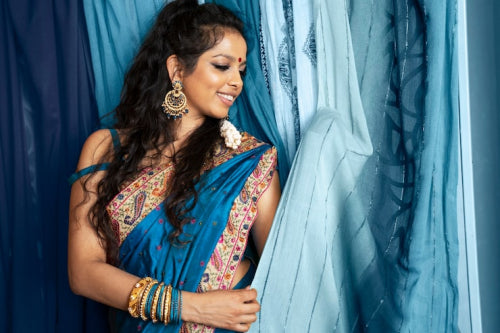
In an era where consumers seek authenticity amid rapid fashion cycles, craft-based fashion brands are mastering the delicate balance between preserving heritage and embracing contemporary styles. This approach transforms traditional techniques into wearable statements that resonate across generations and borders. By drawing on indigenous materials and craftsmanship, these brands create pieces that tell stories while adapting seamlessly to modern lifestyles. The result is a dynamic market where cultural continuity drives innovation, and modern appeal ensures longevity.
Fast fashion erodes cultural heritage, sidelining artisans and reducing traditions to trends. At IndieHaat, we champion India's craftspeople with handcrafted sarees, apparel, décor, and skincare rooted in authenticity. Each piece embodies skill and ethical care. Support artisans and preserve India's timeless legacy Shop Now!
The Global Shift Toward Heritage in Fashion
Consumers worldwide are increasingly drawn to garments that carry genuine narratives rather than fleeting trends. Craft-based fashion brands capitalise on this by reviving ancestral skills and presenting them through fresh perspectives. This movement reflects a broader cultural awakening where authenticity becomes a competitive advantage. Brands that succeed integrate local wisdom with international sensibilities, producing collections that feel both rooted and relevant.
Adapting Traditional Techniques for Contemporary Markets
One of the most compelling strategies involves strategic redesigns that respect original methods while meeting new expectations. For instance, complex patterns are refined to suit minimalist aesthetics popular in sleek urban environments. Earthen tones and muted hues replace vibrant primaries, creating functional pieces suitable for everyday wear in compact living spaces. This evolution ensures crafts remain relevant without losing their essence.
Young artisans play a pivotal role in this transformation. They study abroad to blend technical precision with raw materials, producing items that appeal to global audiences. Such exchanges foster innovation while safeguarding techniques passed down through generations.
Market-specific Strategies: Simplifying Designs for Minimalism
In markets favouring understated elegance, craft-based brands simplify intricate motifs into sleek, monochromatic designs. These adaptations transform traditional weaves into scarves and home accents that integrate effortlessly into contemporary interiors. The focus remains on quality materials and timeless utility rather than flashy elements.
This approach not only broadens market reach but also reinforces cultural pride by demonstrating how heritage can thrive in new contexts. Brands achieve this through targeted collaborations with international experts, ensuring designs honour origins while appealing to diverse preferences.
Luxury Redesigns for Opulent Markets
Conversely, brands targeting regions with strong appreciation for grandeur refine traditional craftsmanship into bespoke home decor. Gold accents, premium silverwork, and detailed porcelain pieces are reimagined to complement expansive interiors. This shift highlights luxury without compromising authenticity, creating pieces that command respect in high-end settings.
Such market-specific strategies allow brands to explore new revenue streams while maintaining core values. The result is a portfolio that bridges cultural divides and fosters appreciation for the art form on a global scale.
Building Industry Resilience Through Associations and Support
Collective efforts among designers, weavers, and tailors strengthen the sector significantly. Groups formed in recent years unite stakeholders to protect indigenous designs and improve skills. These organisations advocate for intellectual property rights and government policies that support local production chains.
By addressing challenges such as declining raw material supplies, these initiatives revive traditional farming and processing. The outcome is a more sustainable ecosystem where economic opportunities flow directly to grassroots communities. Women artisans, in particular, gain greater visibility and empowerment through expanded markets.
Creating Demand and Driving Economic Impact
Successful brands cultivate demand through strategic participation in international fashion weeks and digital platforms. Modern styling transforms traditional fabrics into streetwear and formal wear that compete globally. This dual focus on heritage and creativity opens avenues for young designers while connecting wearers to their roots.
The model proves that culture can fuel industry growth when thoughtfully updated. Events and marketing efforts create exposure, while direct support for artisans ensures revenue reaches those who create the pieces. The ecosystem benefits everyone: rural producers, urban consumers, and international buyers alike.
Preserving Heritage While Scaling Globally
Balancing preservation with commercial evolution remains essential. Initiatives continue to push for recognition of intangible heritage on international lists, reinforcing domestic pride alongside global ambitions. This dual commitment ensures crafts evolve as living traditions rather than static relics.
Future symposia and policy dialogues will further explore intersections between local, regional, and global contexts. The path forward is clear: heritage as dynamic capital, designed to be worn, used, and shared across borders.
The Future of Craft-based Fashion
As urban consumers and diaspora communities seek pieces that reflect identity, craft-based fashion brands are well-positioned to lead. By emphasising cultural continuity and modern appeal, they create value that transcends trends. This approach not only sustains traditions but also builds thriving communities where artisans thrive alongside consumers.
The sector demonstrates how thoughtful adaptation can turn cultural assets into powerful economic drivers. Brands that master this balance will continue shaping fashion's most meaningful narratives in the years ahead.
Frequently Asked Questions
How do craft-based fashion brands preserve cultural heritage while creating modern designs?
Craft-based fashion brands preserve cultural heritage by adapting traditional techniques, indigenous materials, and artisan skills into contemporary styles. They maintain the essence of cultural craftsmanship while creating wearable pieces that appeal to modern consumers and global markets.
Why are consumers interested in heritage fashion and traditional craftsmanship?
Consumers are increasingly drawn to heritage fashion because it offers authenticity, meaningful stories, and a connection to cultural identity. Craft-based fashion brands meet this demand by transforming ancestral skills into unique garments and accessories with modern appeal.
How do craft-based fashion brands expand globally without losing their cultural identity?
Craft-based fashion brands expand globally by combining traditional craftsmanship with market-specific designs, collaborations, and digital platforms. By respecting original techniques while adapting styles for different audiences, these brands create sustainable growth while keeping cultural continuity alive.
Disclaimer: The above helpful resources content contains personal opinions and experiences. The information provided is for general knowledge and does not constitute professional advice.
You may also be interested in: Cultural Significance of Handcrafted Textiles in Modern Fashion
Fast fashion erodes cultural heritage, sidelining artisans and reducing traditions to trends. At IndieHaat, we champion India's craftspeople with handcrafted sarees, apparel, décor, and skincare rooted in authenticity. Each piece embodies skill and ethical care. Support artisans and preserve India's timeless legacy Shop Now!
Powered by flareAI.co