Trusting the Thread: Artisan Sourcing Processes Explained
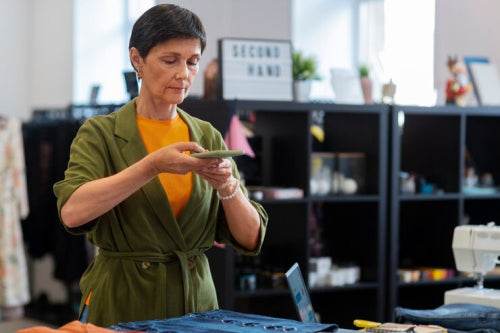
Picture a weaver in a Tamil Nadu village, her hands coaxing silk threads into a sari that glows with history. Each thread carries a story of skill, tradition, and a craft older than the loom itself. In an era of fast fashion and fleeting trends, IndieHaat, a platform rooted in India's artisanal heritage, is redefining what it means to trust the clothes you wear. For shoppers in India, the US, Singapore, Australia, the UK, and the UAE, IndieHaat isn't just selling handcrafted fashion; it's offering a window into the lives of artisans and the authenticity of their work. This is the story of how a single thread can weave trust across continents.
Trusting the Thread: IndieHaat's Artisan Sourcing Unveiled
IndieHaat's mission is bold yet simple: connect artisans directly with global buyers, bypassing middlemen to ensure every linen kurta, silk scarf, or cotton blouse reflects the maker's craft. This direct sourcing model responds to a growing global demand for transparency in fashion. A 2024 IMARC Group report reveals the global handicrafts market hit USD 906.8 billion in 2024, with projections to reach USD 1,942.4 billion by 2033 at a CAGR of 8.83%. What's driving this? A surge in consumer appetite for unique, handmade goods, fueled by e-commerce growth, sustainability priorities, and cultural festivals. IndieHaat taps into this by offering pure fabrics linen, silk, and cotton crafted into designs that celebrate India's regional artistry.
Trust, however, is the currency of this market. Shoppers in IndieHaat's key regions want to know the who, where, and how behind their purchases. Was the artisan fairly paid? Is the fabric truly authentic? IndieHaat answers with a supply chain as transparent as a freshly woven muslin cloth, prioritizing direct relationships with artisans and showcasing their stories on platforms like Instagram, Facebook, and YouTube.
The Rise of Conscious Craft
Fashion is shifting. Fast fashion's allure cheap, disposable, and often ethically murky is fading as consumers demand traceability and meaning. A Grand View Research report estimates the handicrafts market at USD 739.95 billion in 2024, set to grow to USD 983.12 billion by 2030 at a 4.9% CAGR. The Asia Pacific region, IndieHaat's sourcing hub, led with a 34.81% revenue share in 2024, driven by demand for eco-friendly, culturally rich products. In the US, the market is expected to grow at a 3.7% CAGR, reflecting a global pivot toward craftsmanship.
Shoppers aren't just buying clothes; they're seeking connection. The slight irregularity of a hand-stitched hem or the unique hue of a block-printed scarf signals something mass production can't replicate: humanity. IndieHaat leans into this with social media that brings artisans to life. On Instagram, profiles like anilarubyraj and ani_lakshmi share glimpses of looms in action, vibrant dyes, and the hands that craft each piece, making the process feel personal, even from thousands of miles away.
How IndieHaat Sources Authenticity
IndieHaat's sourcing is a rejection of the middleman-driven model that often exploits artisans. By working directly with weavers, printers, and embroiderers across India, the platform ensures fair wages and creative control. Every product is crafted from authentic materials linen, silk, or cotton chosen for their quality and cultural significance. These fabrics aren't just threads; they're vessels of tradition, carrying the weight of techniques honed over centuries.
Consider a silk sari from Tamil Nadu, its threads spun by an artisan featured on svishala74. Days of meticulous work go into each piece, with designs rooted in regional motifs like kanjivaram or chanderi. IndieHaat's team collaborates closely with artisans to maintain quality while meeting global demand. This direct approach ensures that a scarf bought in Singapore or a kurta shipped to the UAE carries the same authenticity as one sold in Delhi.
The platform's focus on unique designs sets it apart. Unlike mass-produced fashion, IndieHaat's offerings reflect India's diverse artisanal heritage think Rajasthan's block prints or Kutch's mirrorwork embroidery. Each piece is a testament to the artisan's skill, not a factory's output.
Artisans in the Spotlight
Behind every IndieHaat product is a story. A Tamil Nadu weaver might spend weeks on a single sari, her loom clacking rhythmically as she weaves intricate patterns. In Rajasthan, a block-printer carves wooden stamps, reviving techniques passed down through generations. In Kutch, an embroiderer like the one on varshaoak stitches mirrorwork that dazzles buyers from Dubai to London. These artisans aren't just workers; they're custodians of culture.
IndieHaat brings these stories to life through social media. Instagram reels show the whir of a loom, while YouTube videos dive into the dyeing process for a cotton kurta. A post from drminimalhotra might capture the delicate art of embroidery, turning a distant craft into something tangible for global audiences. This digital storytelling bridges the gap between artisan and buyer, making every purchase feel like a collaboration.
Navigating Buyer Concerns
Handcrafted fashion isn't without hurdles. Shoppers often balk at higher prices, question authenticity, or lament the inability to touch a product before buying. IndieHaat tackles these head-on. The premium cost of a silk blouse reflects hours of skilled labor and high-quality materials, a reality echoed in the jewelry market, which reached USD 365.9 billion in 2024 and is projected to hit USD 580.7 billion by 2033 at a 5% CAGR, per IMARC Group. Handcrafted goods, whether jewelry or textiles, command a fair price for their artistry.
The trust deficit is a tougher challenge. Without physical stores, buyers can't feel the weight of a linen scarf or the sheen of a silk sari. IndieHaat counters with vivid digital content high-resolution images, videos, and artisan profiles that simulate the tactile experience. Scaling production is another hurdle. Artisans work at their own pace, and IndieHaat balances demand with their capacity, ensuring quality isn't sacrificed for volume.
Trust Through Transparency
IndieHaat's strength lies in its storytelling. By explaining the value of a handwoven kurta hours of labor, rare techniques, sustainable fabrics the platform shifts the focus from price to purpose. A Vogue Business report notes that brands investing in artisans gain a competitive edge, especially as consumers grow wary of cultural appropriation. IndieHaat's ethical branding resonates in markets from Australia to the UAE, where buyers value authenticity over mass production.
Social media is the megaphone. Instagram reels, Facebook posts, and YouTube videos offer behind-the-scenes looks at artisans like those on ani_lakshmi, showing the sweat and skill behind each piece. This transparency doesn't just sell products; it empowers artisans, preserves heritage, and builds a global community of conscious consumers.
Weaving a Global Tapestry
IndieHaat isn't just a marketplace; it's a movement. Every sari, scarf, and kurta is a thread in a larger tapestry of trust, connecting artisans to buyers across India, the US, Singapore, Australia, the UK, and the UAE. “We're not selling clothes; we're sharing stories,” says an IndieHaat spokesperson, a sentiment echoed by cultural scholars who see such platforms as vital to preserving artisanal traditions. In a world where fast fashion often overshadows craftsmanship, IndieHaat stands firm, inviting consumers to trust the process one thread at a time. Follow their journey on Instagram, Facebook, or YouTube, and discover how a single piece of fabric can carry a legacy across borders.
Frequently Asked Questions
How does IndieHaat ensure authentic handcrafted products from Indian artisans?
IndieHaat works directly with weavers, printers, and embroiderers across India, bypassing middlemen to maintain authenticity and fair wages. Every product is crafted from genuine materials like linen, silk, and cotton, with techniques rooted in regional traditions such as Tamil Nadu silk weaving and Rajasthan block printing. The platform showcases artisan stories through social media, providing transparency about the who, where, and how behind each handcrafted piece.
Why are handcrafted Indian textiles more expensive than mass-produced fashion?
The premium cost of handcrafted textiles reflects hours of skilled artisan labor, high-quality authentic materials, and centuries-old techniques that cannot be replicated by machines. Similar to the handcrafted jewelry market, which reached $365.9 billion in 2024, artisanal fashion commands fair prices for the artistry and cultural heritage embedded in each piece. IndieHaat's direct sourcing model ensures artisans receive fair compensation while buyers get genuine, unique products with cultural significance.
How can I verify the authenticity of artisan-made clothing when shopping online?
IndieHaat addresses authenticity concerns through transparent storytelling and detailed digital content including high-resolution images, behind-the-scenes videos, and direct artisan profiles on Instagram, Facebook, and YouTube. The platform features specific artisan accounts and shows the actual crafting process, from loom work to dyeing techniques. This digital transparency allows buyers to see the hands behind their purchases and understand the traditional methods used, building trust across global markets from the US to the UAE.
Disclaimer: The above helpful resources content contains personal opinions and experiences. The information provided is for general knowledge and does not constitute professional advice.
You may also be interested in: Eco-Friendly Apparel Gains Traction Among Conscious Consumers
Fast fashion erodes cultural heritage, sidelining artisans and reducing traditions to trends. At IndieHaat, we champion India's craftspeople with handcrafted sarees, apparel, décor, and skincare rooted in authenticity. Each piece embodies skill and ethical care. Support artisans and preserve India's timeless legacy Shop Now!
Powered by flareAI.co