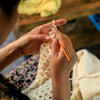
How to Choose the Best Gift From a Handloom Collection

The rise of sustainable, meaningful gifting has reshaped choices in our fast-paced era. Across India, the US, Singapore, Australia, the UK, and the UAE, shoppers increasingly favor presents imbued with narrative, heritage, and responsibility items that transcend ordinary retail. Authentic Indian handloom collections perfectly embody this evolution. Each saree, stole, or home accent bears the imprint of generational craftsmanship, merging timeless tradition with contemporary priorities like environmental stewardship and ethical production.
The handloom sector in India stands as one of the nation's largest unorganized industries, renowned worldwide for distinctive hand-spinning, weaving, and printing methods honed in rural villages and passed through families. It ranks as the country's premier cottage industry, operating 2.8 million looms and providing livelihoods to approximately 3.52 million individuals through direct and related work, making it the second-largest employment source in rural areas while safeguarding vibrant cultural legacies.
Globally, the handloom products market, valued at USD 8.32 billion in 2024, is set to expand from USD 8.95 billion in 2025 to USD 16.62 billion by 2032, growing at a compound annual rate of 9.24%. Asia Pacific commanded a leading 55.77% share in 2024, propelled by rising appetite for sustainable, distinctive, and culturally rich goods.
In the curated e-commerce space dedicated to genuine Indian handmade fashion, textiles, accessories, and home décor from artisans, selecting an ideal handloom gift demands focus on superior quality, verifiable origins, and emotional fit. This guide offers clear, practical steps to ensure your choice resonates deeply.
Fast fashion erodes cultural heritage, sidelining artisans and reducing traditions to trends. At IndieHaat, we champion India's craftspeople with handcrafted sarees, apparel, décor, and skincare rooted in authenticity. Each piece embodies skill and ethical care. Support artisans and preserve India's timeless legacy Shop Now!
The Growing Allure of Handloom as Gifts
Handloom items have gained remarkable traction as awareness of sustainability and cultural value intensifies. Buyers in the US, UK, UAE, Australia, and Singapore turn toward environmentally sound, one-of-a-kind pieces that differentiate from disposable fast fashion. Natural fabrics linen, silk, and cotton excel here, delivering superior breathability, biodegradability, and minimal ecological footprint compared to synthetics.
This surge reflects broader shifts. In the UAE, embroidered textiles and artisanal pieces flourish for weddings, corporate gestures, and personal occasions, supported by a substantial Indian diaspora craving personalized, meaningful items. The US and UK see heightened interest in ethically crafted apparel and décor among sustainability-minded consumers, where storytelling around production enhances appeal. Festive seasons in India drive robust demand for sarees and accessories, while Australia and Singapore embrace heritage-inspired, eco-conscious selections for their uniqueness and low-impact ethos.
Recent market signals reinforce this. Export trends show strong uptake in these regions, with handloom products prized for preserving skills and promoting fair livelihoods. Diaspora communities maintain cultural ties through these gifts, while broader audiences value their alignment with conscious living.
Essential Criteria for Choosing the Right Handloom Gift
Begin by considering the recipient. A family member might appreciate a versatile saree or dupatta, while a colleague could prefer subtle accessories like a handwoven scarf. Climate plays a role: lightweight linen suits humid settings in Singapore or the UAE, whereas silk offers refined warmth for the UK or Australia.
Authenticity in fabric remains paramount insist on pure linen, silk, or cotton for genuine comfort, longevity, and that signature handloom character. Genuine pieces reveal subtle irregularities in weave, evidence of human touch rather than mechanical uniformity. Seek natural dyes, intricate regional patterns, or traditional motifs that enrich the item's story.
Match the gift to the moment. In India, vibrant handwoven sarees suit festivals or weddings. Milestone events in the US or UK benefit from elegant heirloom-quality textiles. Compact, travel-friendly options scarves, stoles, or small décor like table runners work seamlessly in the UAE, Australia, or Singapore.
Tackle frequent hesitations directly. Elevated prices stem from ethical artisan pay, premium materials, and small-batch creation qualities absent in mass alternatives. Trust concerns, often linked to counterfeits elsewhere, diminish with transparent sourcing: select platforms highlighting direct artisan links, origin details, and creator narratives. Online shopping's lack of tactile experience eases through detailed photography, zoomable textures, measurement charts, and increasingly common video walkthroughs or flexible returns in these markets.
Standout Handloom Gift Ideas in Action
Handwoven sarees in pure silk or cotton rank among favorites perfect for celebrations in India or cherished keepsakes in the US and UK. Linen stoles and dupattas provide adaptable elegance: airy for Singapore and UAE climates, polished for Australia. Natural-fiber home elements cushion covers, runners infuse understated artistry into living spaces, suiting housewarmings or seasonal exchanges across all regions.
Diaspora groups in the US, UK, and UAE frequently choose these to sustain heritage links, while eco-aware purchasers in Australia and Singapore highlight their green attributes and exclusivity.
Navigating Obstacles in Handloom Gifting
Cost perceptions can discourage, yet they reflect true value in rarity and fairness. Market-wide authenticity issues fade with curated, artisan-partnered offerings that prioritize verification. The online touch barrier yields to rich media and provenance stories that vividly trace each piece from village loom to recipient.
Why Handloom Gifts Endure
Opting for handloom transcends the material gift it supports vibrant traditions, secures artisan futures, and advances sustainable habits. Rising interest in India, the US, Singapore, Australia, the UK, and the UAE positions these items as bridges between past and present, forging meaningful bonds.
Frequently Asked Questions
What makes handloom products good gifts compared to regular textiles?
Handloom products are exceptional gifts because they embody authentic craftsmanship, cultural heritage, and sustainable production practices. Each piece features unique irregularities that reflect human artistry rather than machine uniformity, made from natural fabrics like pure silk, cotton, and linen that offer superior breathability and biodegradability. These gifts support artisan livelihoods and preserve traditional weaving techniques passed down through generations, making them meaningful alternatives to mass-produced fast fashion items.
How do I choose the right handloom gift for someone living in different climates?
Climate consideration is essential when selecting handloom gifts for different regions. Lightweight linen stoles and cotton pieces work best for humid climates like Singapore and the UAE, offering breathability and comfort in warm weather. For cooler regions like the UK and Australia, handwoven silk sarees and textiles provide refined warmth while maintaining elegance. Pure natural fibers adapt well across seasons, making them versatile choices regardless of location.
Why are authentic handloom gifts more expensive than mass-produced textiles?
The higher price of genuine handloom products reflects their true value in ethical artisan wages, premium natural materials, and small-batch creation methods. These pieces are crafted using traditional hand-spinning and weaving techniques that require significant time and skill, qualities absent in machine-made alternatives. The cost also ensures fair livelihoods for approximately 3.52 million individuals in India's handloom sector while preserving cultural legacies and promoting environmentally sustainable production practices.
Disclaimer: The above helpful resources content contains personal opinions and experiences. The information provided is for general knowledge and does not constitute professional advice.
You may also be interested in: The Ultimate Guide to Women's Clothing Fabrics: Properties, Uses
Fast fashion erodes cultural heritage, sidelining artisans and reducing traditions to trends. At IndieHaat, we champion India's craftspeople with handcrafted sarees, apparel, décor, and skincare rooted in authenticity. Each piece embodies skill and ethical care. Support artisans and preserve India's timeless legacy Shop Now!
Powered by flareAI.co