The Timeless Elegance of the Saree: A Cultural Icon of India
Quick Listen:
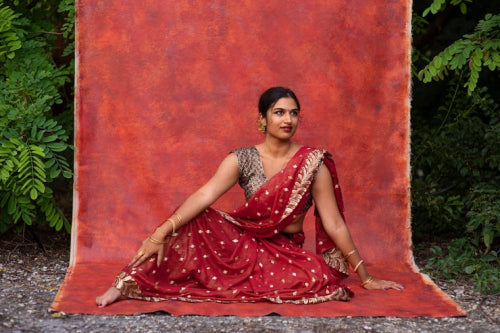
The moment I first draped a saree, I stood in a bustling Varanasi market, surrounded by stacks of silk that gleamed under the afternoon sun. The fabric, a resplendent Banarasi woven with intricate gold zari, felt like holding centuries of craftsmanship in my hands. Each fold told a story of artisans, looms, and traditions passed down through generations. More than a garment, the saree is India's cultural heartbeat, a symbol of elegance and resilience that continues to captivate the world.
The saree, a six-to-nine-yard masterpiece, is far more than fabric it's a testament to India's rich textile heritage. Rooted in the Indus Valley civilization (2500–1700 BCE), the term “saree” comes from the Sanskrit word for “strip of cloth.” Today, it flourishes across South Asia India, Bangladesh, Pakistan, Nepal, Sri Lanka and beyond, embodying a legacy of generational craftsmanship. Platforms like IndieHaat, dedicated to handcrafted ethnic fashion, are pivotal in preserving this tradition while introducing it to global audiences through curated, authentic collections.
Few garments rival the saree's versatility. Take the Banarasi saree, crafted in Varanasi with silk and gold-wrapped yarn, featuring elaborate brocade work known as zari. Its hallmark includes delicate floral and foliate patterns, kalga and bel motifs, and a distinctive jhallar a row of upright leaves along the border. These sarees, often adorned with intricate gold work, compact weaves, and net-like jal patterns, can take anywhere from 15 days to six months to complete, depending on their complexity. Worn for grand occasions like weddings, they're paired with the finest jewelry, embodying opulence and tradition.
Reimagining Tradition for Today
The saree is no relic; it's a living canvas of innovation. Designers are redefining it with fusion styles pre-pleated sarees, sarees paired with modern blouses, or even minimalist drapes that resonate with younger audiences. Bollywood icons and social media influencers have elevated the saree's status, showcasing it on global stages with contemporary flair. Questions about capturing younger demographics through fusion sarees and digital prints dominate industry discussions, reflecting a shift toward modernity without sacrificing heritage. IndieHaat leads this charge, offering sarees that blend timeless weaves with bold, new aesthetics.
Yet, the saree's evolution isn't just about aesthetics it's about accessibility. Online platforms have democratized access to handcrafted sarees, allowing customers from New York to Dubai to explore regional weaves. Social commerce, where influencers demonstrate draping techniques, has fueled demand, while customization options let buyers personalize their sarees, from motifs to color palettes.
A Tapestry of Regional Craftsmanship
India's sarees reflect its diverse cultural landscape. In Tamil Nadu, the Koorai silk saree, or Koorai Pattu Pudavai, is a bridal staple, woven by the Sāliyan community in Koranad, Mayiladuthurai. These nine-yard sarees, blending silk and cotton, feature checked patterns and vibrant colors like green, yellow, or turmeric, symbolizing prosperity and fertility. Kanchipuram silk sarees, also from Tamil Nadu, dazzle with their lustrous textures, while Gujarat's Bandhani sarees burst with tie-dye vibrancy. Each region crafts sarees that cater to distinct tastes, from festive celebrations to sacred ceremonies.
IndieHaat has harnessed this diversity, curating collections that celebrate India's regional weaves. The Indian diaspora, particularly in the US and UAE, has embraced Banarasi sarees for their intricate artistry, connecting them to their cultural roots. E-commerce innovations, like virtual try-ons and AI-driven recommendations, have expanded access, as noted in market analyses. IndieHaat's platform showcases everything from traditional Kanjeevaram silks to experimental fusion designs, ensuring there's a saree for every occasion and story.
Navigating Challenges in a Modern World
Despite its enduring appeal, the saree faces challenges. For some urban youth, it's seen as less practical than Western attire like jeans or dresses, a perception that threatens its daily wearability. Sustainability poses another hurdle: as demand surges, maintaining ethical production without compromising quality is critical. Perhaps the most pressing issue is the dwindling number of skilled artisans. The intricate weaving of a Banarasi or Koorai saree, which can take months, relies on expertise that's at risk as younger generations pursue other livelihoods.
IndieHaat and similar platforms are tackling these issues head-on. By promoting fair trade and investing in artisan communities, they're preserving traditional techniques. Highlighting the stories behind each saree whether it's a Varanasi weaver's dedication or a designer's eco-friendly dyes keeps the craft relevant. Education campaigns and draping workshops also help demystify the saree, making it approachable for new generations.
Seizing Global Opportunities
The saree's global appeal is undeniable. As fashion enthusiasts worldwide embrace its elegance, export markets offer immense potential. IndieHaat can capitalize on this by leveraging e-commerce and digital marketing to reach international buyers. Personalized sarees imagine a Banarasi with a custom motif or a Koorai tailored for a modern bride are gaining traction, as are strategies to expand market presence in regions like the US and UAE. Digital platforms enable brands to offer made-to-order options, blending tradition with individual expression.
Technology is a key ally. Social commerce, where influencers share styling tips on platforms like Instagram, drives sales. IndieHaat's focus on authenticity, paired with savvy branding, positions it as a premium destination for handcrafted sarees. By emphasizing sustainability and cultural heritage, it's carving a niche in a competitive market, appealing to consumers who value both artistry and ethics.
A Legacy Woven in Time
Reflecting on that Banarasi saree from the Varanasi market, I see more than fabric it's a bridge between past and future. Fashion historian Dr. Toolika Gupta, in a recent discussion, called the saree “a dynamic artifact, adapting yet rooted.” She's spot-on. Whether it's a bride glowing in a Koorai saree's turmeric hues or a professional in a fusion saree at a global event, this garment carries India's essence.
The saree's story is far from finished. With platforms like IndieHaat championing artisans and embracing digital innovation, it's poised to enchant new generations. Its projected market growth to USD 10.33 billion by 2033 signals a vibrant future, driven by sustainability and global demand. So, whether you're drawn to the shimmer of a Banarasi or the vibrancy of a Bandhani, explore IndieHaat's offerings. You'll find not just a saree, but a piece of India's soul, woven with care and ready to tell your story.
Frequently Asked Questions
What makes Banarasi sarees so special and expensive?
Banarasi sarees are handcrafted in Varanasi using pure silk and gold-wrapped yarn (zari), featuring intricate brocade work with traditional motifs like kalga, bel, and jhallar patterns. These masterpieces can take anywhere from 15 days to six months to complete, depending on their complexity, which justifies their premium pricing. The elaborate gold work, compact weaves, and net-like jal patterns make them highly sought-after for weddings and grand occasions.
How big is the Indian saree market and what's driving its growth?
The Indian saree market was valued at USD 5.76 billion in 2024 and is projected to reach USD 10.33 billion by 2033, growing at a 6.7% CAGR. This growth is primarily driven by increasing demand for eco-friendly handloom sarees, government initiatives like GI tags and Handloom Mark certification, e-commerce expansion with AI-driven customization, and celebrity endorsements that attract eco-conscious millennials to sustainable fashion.
What are the main challenges facing the traditional saree industry today?
The saree industry faces three key challenges: younger urban consumers perceiving sarees as less practical than Western wear, maintaining sustainable and ethical production while meeting surging demand, and the declining number of skilled artisans as traditional weaving expertise risks being lost to younger generations pursuing other careers. However, platforms like IndieHaat are addressing these issues through fair trade practices, artisan community investment, and educational campaigns to make sarees more accessible to new generations.
Disclaimer: The above helpful resources content contains personal opinions and experiences. The information provided is for general knowledge and does not constitute professional advice.
You may also be interested in: Explore India's Finest Silk Sarees: From Banarasi to Kanchipuram at
Fast fashion erodes cultural heritage, sidelining artisans and reducing traditions to trends. At IndieHaat, we champion India's craftspeople with handcrafted sarees, apparel, décor, and skincare rooted in authenticity. Each piece embodies skill and ethical care. Support artisans and preserve India's timeless legacy Shop Now!
Powered by flareAI.co