Indias Handloom Sector: Preserving Traditional Skills in a Modern World

Quick Listen:
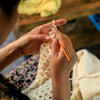
In the dim light of a Varanasi workshop, skilled hands guide shuttles across looms, weaving intricate silk patterns that have defined Indian elegance for centuries. These sarees, born of patience and tradition, now travel thousands of miles to closets in distant cities, thanks to a digital bridge that connects ancient craftsmanship with today's discerning buyers.
Fast fashion erodes cultural heritage, sidelining artisans and reducing traditions to trends. At IndieHaat, we champion India's craftspeople with handcrafted sarees, apparel, décor, and skincare rooted in authenticity. Each piece embodies skill and ethical care. Support artisans and preserve India's timeless legacy Shop Now!
India's Handloom Sector: Preserving Tradition in the Modern Marketplace
India's handloom industry remains a cornerstone of the nation's cultural and economic fabric. As the largest cottage industry in rural areas, it directly and indirectly employs millions of artisans, many of them women in remote villages, who safeguard techniques unique to regions like Varanasi's renowned brocades, Kanchipuram's luxurious silks, and Patan's complex double ikat designs.
For years, this sector faced decline amid the dominance of power looms and fast fashion. Today, however, a resurgence is evident, propelled by e-commerce platforms that specialize in artisanal goods. Bangalore-based IndieHaat, for instance, focuses exclusively on authentic handmade items crafted from pure linen, silk, and cotton, delivering sarees, clothing, and home décor to customers across India and beyond.
A Digital Renaissance for Ancient Crafts
Market data underscores this revival. The global handloom products market stood at USD 8.32 billion in 2024, with projections to expand to USD 16.62 billion by 2032, reflecting a compound annual growth rate of 9.24%. Asia Pacific commanded more than half the share, at 55.77%, highlighting the region's enduring dominance in this space.
Closer to home, the India handloom product market was valued at USD 358.2 million in 2024 and is expected to grow to USD 779.71 million by 2033, achieving a CAGR of 9.03% from 2025 onward. Sarees dominate as the leading product category, underscoring their central role in the sector.
Driving these figures is a marked shift in consumer preferences toward sustainable and ethically produced items. Handloom fabrics, created with minimal energy and often using natural materials, align perfectly with demands for eco-conscious alternatives to synthetic, mass-produced textiles. Younger buyers, in particular, gravitate toward pieces that carry cultural depth and environmental integrity.
E-commerce has transformed accessibility. Online marketplaces enable artisans to reach global audiences directly, eliminating layers of intermediaries and ensuring better returns. Features like virtual try-ons, AI personalization, and seamless international logistics have made purchasing a handwoven saree as straightforward as any everyday online transaction.
Innovation complements tradition here. Artisans increasingly incorporate digital tools for pattern design while preserving manual weaving methods. Eco-friendly dyes, organic fibers, and responsible packaging further enhance appeal, responding to worldwide calls for greener practices in fashion.
Bridging Artisans and the World
Platforms like IndieHaat exemplify this connection. By sourcing directly from craftspeople, they guarantee fair wages and manage the complexities of marketing, fulfillment, and shipping. This allows weavers perhaps in a Karnataka cluster to devote time to their craft, knowing their creations can find buyers in far-flung markets.
The broader saree market reflects similar momentum. Valued at USD 5.76 billion in 2024, the India saree market is forecasted to reach USD 10.33 billion by 2033, growing at a CAGR of 6.70%. Key drivers include surging interest in sustainable handloom varieties, bolstered by government measures such as Geographical Indication tags and the Handloom Mark, which authenticate origins and support artisan communities.
Celebrity influence, eco-branding, and the explosion of online retail complete with social commerce and advanced personalization draw in new generations. These platforms not only boost domestic sales but also facilitate exports, extending the reach of Indian weaves to international wardrobes.
In rural hubs, where weaving sustains families, such digital outreach stabilizes incomes and stems outward migration. It encourages skill transmission to younger members, ensuring techniques endure amid modern pressures.
The Hurdles That Remain
Despite these advances, significant challenges persist. Machine-made imitations, often sold at lower prices, erode market share for genuine handlooms. Fluctuating yarn costs, taxation complexities, and the inherent limitations of manual production constrain scalability.
Environmental issues demand attention as well. Traditional dyeing can consume substantial water and generate waste if not modernized with sustainable alternatives. Balancing growth with ecological responsibility is essential to maintain the sector's low-impact reputation.
Most critically, generational continuity is at risk. Urban opportunities and alternative careers pull youth away from looms, jeopardizing the passage of specialized knowledge built over lifetimes. Without proactive interventions training programs, financial incentives, and cultural promotion these irreplaceable skills could diminish.
Mislabeling by power loom producers further complicates matters, confusing consumers and undermining trust in authentic products. Stronger enforcement and awareness campaigns are needed to protect the handloom designation.
A Path Forward Built on Opportunity
Yet opportunities abound. The global surge in conscious consumerism favors precisely what Indian handlooms offer: biodegradable materials, unique designs, and transparent origins. As slow fashion gains traction, demand for items with authentic stories intensifies.
E-commerce streamlines operations for artisans, handling payments, logistics, and customer engagement so creators can concentrate on weaving. Government initiatives, including raw material subsidies and skill development, complement these private efforts, fostering sustainable expansion.
Strategic priorities emerge clearly. Enhanced training for new weavers, widespread adoption of low-impact dyes, and compelling narratives around regional techniques can strengthen appeal. Platforms should prioritize supply chain transparency and develop lines that blend tradition with contemporary aesthetics, attracting broader demographics.
Collaborations between artisans, designers, and international labels hold particular promise, elevating handlooms into high-fashion realms while generating premium revenues that flow back to origins.
Weaving the Future
India's handloom sector is navigating a transformative era. Far from threatening tradition, technology and online marketplaces are revitalizing it, projecting the rhythmic clack of looms into a worldwide conversation about sustainability and heritage.
Success hinges on coordinated action: robust policy backing, innovative platform support, and informed consumer choices. When buyers opt for a handwoven piece over a factory duplicate, they invest in livelihoods, preserve cultural legacies, and advance a more equitable, thoughtful approach to consumption. In this interplay of past and present, the enduring thread of Indian handloom not only survives it thrives, weaving a richer tapestry for generations ahead.
Frequently Asked Questions
[question]
[concise, clear answer (2–4 sentences) with insights drawn from the blog]
Disclaimer: The above helpful resources content contains personal opinions and experiences. The information provided is for general knowledge and does not constitute professional advice.
You may also be interested in: What Is Handloom Weaving? A Cultural and Economic Perspective
Fast fashion erodes cultural heritage, sidelining artisans and reducing traditions to trends. At IndieHaat, we champion India's craftspeople with handcrafted sarees, apparel, décor, and skincare rooted in authenticity. Each piece embodies skill and ethical care. Support artisans and preserve India's timeless legacy Shop Now!
Powered by flareAI.co