The Revival of Slow Fashion Trends
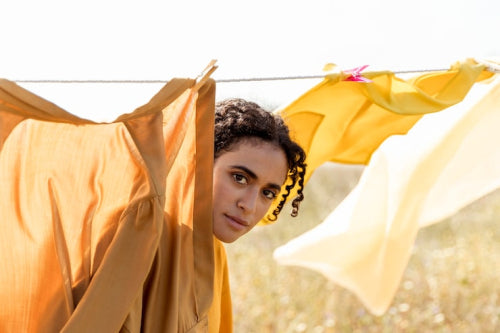
The revival of slow fashion represents a deliberate counterpoint to the breakneck pace of fast fashion, where clothes are produced in massive volumes, worn briefly, and discarded en masse, contributing to overflowing landfills and mounting environmental strain. Today, amid heightened awareness of overconsumption's toll, consumers are turning toward garments that carry intention, longevity, and story qualities embodied in traditional Indian crafts such as Kalamkari. This ancient hand-painting art revives not as mere nostalgia but as a vital force shaping contemporary wardrobes that prioritize authenticity over disposability.
Fast fashion erodes cultural heritage, sidelining artisans and reducing traditions to trends. At IndieHaat, we champion India's craftspeople with handcrafted sarees, apparel, décor, and skincare rooted in authenticity. Each piece embodies skill and ethical care. Support artisans and preserve India's timeless legacy Shop Now!
The Enduring Power of Handcrafted Traditions
Kalamkari, a technique tracing back more than 3,000 years, involves artisans using bamboo pens to draw intricate designs on fabric, then applying natural dyes sourced from plants, minerals, and even fermented substances. Layers of color emerge slowly through repeated processes of sketching, mordanting, and dyeing, yielding motifs rich in narrative floral borders, mythological scenes, and geometric patterns that speak of cultural depth. The slight irregularities in line and hue, inevitable in handwork, become signatures of individuality rather than flaws.
Modern designers increasingly harness this heritage, integrating Kalamkari's storytelling elements and organic forms into sleek silhouettes: minimalist dresses, fluid kurtas, and versatile pieces that transition seamlessly from traditional settings to everyday wear alongside denim or structured tailoring. The appeal lies in the tactile authenticity each garment feels lived-in from the start, carrying the imprint of human effort that machine production erases. For buyers weary of identical fast-fashion racks, these items deliver rarity and emotional resonance, transforming clothing into heirlooms worthy of care and longevity.
Sustainability Rooted in Craftsmanship
Traditional handicrafts offer a stark alternative to the resource-intensive model of fast fashion. Industrial processes often rely on synthetic fibers, chemical dyes, and enormous water and energy inputs, generating substantial pollution and waste. In contrast, artisan methods favor natural fibers, vegetable-based dyes, and small-scale production that consumes far less water and produces biodegradable outputs with minimal environmental footprint.
This ethos resonates amid growing recognition of fashion's broader impact. The industry remains a major contributor to greenhouse gas emissions, excessive water use, and plastic waste, yet demand for more responsible options continues to climb. Sales of sustainable clothing have risen steadily over the past decade, with market share projected to surpass six percent in 2026. While definitions of "sustainable" vary encompassing everything from organic to recycled materials, sometimes with conflicting claims the core appeal of traditional crafts lies in their inherent restraint and respect for resources.
Choosing handmade pieces extends beyond environmental benefits. It fosters fairer labor practices in rural communities, preserves endangered skills, and resists the overproduction that fuels waste. Wardrobes built around such items naturally become more intentional: fewer purchases, greater appreciation, and extended wear, all of which disrupt the cycle of constant renewal that defines much of modern retail.
Market Momentum Behind the Movement
Robust data underscores the shift toward artisanal and sustainable goods. The global handicrafts market stood at USD 739.95 billion in 2024 and is expected to reach USD 983.12 billion by 2030, expanding at a compound annual growth rate of 4.9 percent, according to Grand View Research. Asia Pacific commands the largest portion, with a 34.81 percent revenue share in 2024, reflecting the region's rich reservoirs of traditional expertise, while North America emerges as the fastest-growing region, fueled by consumers seeking distinctive, meaningful alternatives to mass-market uniformity.
Parallel growth appears in the sustainable fashion sector. Valued at USD 10.40 billion in 2024, it is projected to expand from USD 11.35 billion in 2025 to USD 22.49 billion by 2032, advancing at a 10.25 percent CAGR, per Fortune Business Insights. A separate analysis from Coherent Market Insights estimates the market at USD 9,194.20 million in 2025, climbing to USD 17,769.2 million by 2032 at a 9.9 percent CAGR. Apparel dominates the category with a 47.4 percent share in 2025, organic fabrics lead material preferences amid rising health and wellness priorities, and online channels capture the largest distribution segment thanks to enhanced discovery of niche, ethical brands.
These trajectories highlight a clear consumer pivot: preference for products that feel personal, ethically produced, and environmentally considerate. E-commerce bridges artisans to worldwide audiences, while rising interest in sustainable tourism and unique, culturally significant items propels further expansion.
Embracing a Thoughtful Future in Fashion
The resurgence of slow fashion through traditional crafts signals more than aesthetic preference it marks a maturing consciousness about consumption's consequences, from ecological damage to labor inequities. Techniques like Kalamkari no longer sit preserved in museums; they actively inform designs that balance heritage with relevance, offering viable paths toward wardrobes that endure both in style and impact.
As scrutiny of fast fashion intensifies, the choice to invest in pieces made with patience and skill becomes increasingly compelling. The question is no longer whether such garments can compete with trend-driven volume, but whether a slower, more considered approach might ultimately prove the more elegant and responsible one. In closets around the world, that answer is taking shape, stitch by deliberate stitch.
Frequently Asked Questions
What is slow fashion and how does it differ from fast fashion?
Slow fashion emphasizes intentional, long-lasting garments crafted with care, in contrast to fast fashion's mass production and disposable approach. It prioritizes quality, sustainability, and ethical production through traditional techniques like Kalamkari hand-painting, which uses natural dyes and artisan craftsmanship. This movement reduces environmental strain by favoring small-scale production, biodegradable materials, and wardrobes built around fewer, more meaningful pieces.
How do traditional Indian crafts like Kalamkari support sustainable fashion?
Kalamkari, a 3,000-year-old hand-painting technique, uses natural dyes from plants and minerals, bamboo pens, and small-scale production methods that consume far less water and energy than industrial processes. These artisan methods produce biodegradable outputs with minimal environmental footprint while preserving endangered skills and supporting fair labor practices in rural communities. Modern designers integrate Kalamkari's organic patterns into contemporary silhouettes, creating unique garments that transform clothing into heirlooms rather than disposable items.
Is the sustainable fashion market growing, and what drives consumer interest?
The sustainable fashion market is experiencing significant growth, projected to expand from USD 11.35 billion in 2025 to USD 22.49 billion by 2032 at a 10.25% annual growth rate. Consumers are increasingly drawn to products that feel personal, ethically produced, and environmentally considerate, with apparel dominating the category at 47.4% market share. This shift reflects maturing consciousness about consumption's ecological and social impact, with e-commerce helping connect artisans to global audiences seeking meaningful alternatives to mass-market uniformity.
Disclaimer: The above helpful resources content contains personal opinions and experiences. The information provided is for general knowledge and does not constitute professional advice.
You may also be interested in: Five Ethnic Trends Among Generation Z for 2025 – Indiehaat.com
Fast fashion erodes cultural heritage, sidelining artisans and reducing traditions to trends. At IndieHaat, we champion India's craftspeople with handcrafted sarees, apparel, décor, and skincare rooted in authenticity. Each piece embodies skill and ethical care. Support artisans and preserve India's timeless legacy Shop Now!
Powered by flareAI.co