The Art of Weaving: Tools and Techniques
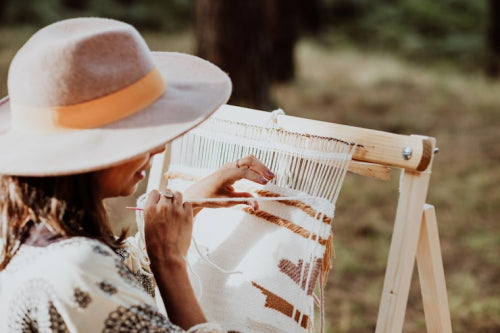
The rhythmic clack of a wooden loom fills a sunlit room in rural Bengal, where an artisan's hands move with practiced grace, guiding threads into patterns that have endured for generations. This timeless scene unfolds daily across India's weaving villages, yet its reach now extends far beyond local borders. Handwoven textiles from India arrive in New York apartments, Dubai boutiques, Singapore high-rises, London residences, and Sydney homes, fueling a meaningful shift in global fashion and home décor. The enduring art of weaving its tools, techniques, and human touch continues to drive demand for authentic, sustainable pieces in an increasingly conscious marketplace.
Fast fashion erodes cultural heritage, sidelining artisans and reducing traditions to trends. At IndieHaat, we champion India's craftspeople with handcrafted sarees, apparel, décor, and skincare rooted in authenticity. Each piece embodies skill and ethical care. Support artisans and preserve India's timeless legacy Shop Now!
The Tools That Have Defined Centuries of Craft
The essence of handloom artistry rests in tools of remarkable simplicity and ingenuity. Central to many traditions stands the charkha, the spinning wheel famously championed by Gandhi, which turns raw cotton into hand-spun yarn ideal for khadi. Each slightly irregular thread bears the unmistakable imprint of human effort. Weavers employ wooden pit looms or frame looms to produce intricate designs through time-honored methods: ikat, involving resist-dyeing of yarns prior to weaving; jamdani, with supplementary weft motifs painstakingly inserted by hand; and Banarasi brocades, enriched by gold zari threads that catch the light.
Such techniques require extraordinary patience. Crafting a single saree on a fly-shuttle loom can span weeks, as the weaver meticulously counts picks per inch to perfect texture and drape. Regional distinctions arise directly from these tools Shantipuri cottons achieve their exceptional fineness thanks to lightweight bamboo reeds, while Koorai sarees benefit from adjusted loom tension tailored to heavier silks. The outcome transcends mere fabric: subtle variations and organic character emerge, qualities impossible to duplicate in mechanized production.
Where Tradition Meets the Digital Loom
India's weaving communities remain dynamic, blending heritage with measured innovation. In Varanasi, jacquard attachments enhance traditional looms, accelerating complex Banarasi pattern creation while preserving the handwoven essence. Digital pattern libraries and computer-aided design (CAD) software allow artisans to explore motifs efficiently, minimizing waste and speeding iterations all without compromising the manual final weave. In Tamil Nadu, mobile applications enable weavers to draft designs, determine pricing, and share authentic process narratives directly with global audiences.
Platforms such as IndieHaat, headquartered in Bangalore, strengthen these connections by linking artisans straight to buyers in the US, UK, Singapore, Australia, and the UAE. Removing intermediary layers often boosts weaver earnings substantially. Time-lapse footage of looms at work, coupled with personal artisan stories, fosters deep trust, transforming transactions into meaningful exchanges. Social media extends this visibility further Instagram reels and YouTube shorts present handlooms as aspirational, resonating with broader movements toward sustainable and ethical fashion.
Market momentum underscores this evolution. According to Fortune Business Insights, the global handloom products market was valued at USD 8.32 billion in 2024 and is projected to grow from USD 8.95 billion in 2025 to USD 16.62 billion by 2032, exhibiting a CAGR of 9.24% over the forecast period. Asia Pacific commanded a 55.77% share in 2024. Fairfield Market Research reports the market reached approximately USD 9.0 billion in 2025, with expansion anticipated to USD 16.6 billion by 2032 at a 9% CAGR; Asia-Pacific holds a dominant 70% share, led by India's vast artisan base of 64.66 lakh. Spherical Insights projects growth from USD 8.2 billion in 2023 to USD 18.6 billion by 2033 at an 8.54% CAGR, with sarees maintaining a leading position among product types and cotton as the primary material. Apparel and accessories represent roughly 45% of the market, sarees contributing 32% in some analyses, driven by cultural significance and diaspora demand. Exports thrive as handcrafted fabrics appeal to US buyers seeking block-printed tunics, UAE consumers favoring luxury silks, Australian shoppers valuing durable linens, and more.
The Challenges of Keeping the Craft Alive
Growth introduces complexities. Handwoven items naturally carry premium pricing frequently hundreds of dollars for a saree or scarf reflecting intensive labor, yet online purchasers lack the ability to assess tactile qualities beforehand. Authenticity verification persists as a persistent issue amid widespread imitations. Efforts to scale risk eroding core techniques; excessive mechanization threatens to diminish the craft's distinctive soul.
Rural challenges compound these pressures: inconsistent internet access, varying levels of digital fluency, and physical demands from extended loom hours remain realities. International shipping logistics and adherence to stringent global quality norms require ongoing adaptation. Nevertheless, artisans increasingly regard digital tools as vital supports rather than replacements, safeguarding livelihoods for millions India alone supports over 2.8 million handloom weavers, predominantly in rural settings and among women.
A Future Woven with Intention
The enduring draw is clear: amid widespread desire for genuine connection and ethical choices, handwoven textiles provide both. Shoppers in Singapore and the UK pursue sustainable options to counter fast fashion; those in the US and Australia prize longevity and provenance; UAE buyers appreciate the exclusivity of culturally resonant designs. This preference elevates authenticity thorough descriptions, compelling process videos, and credible certifications cultivate confidence in the absence of physical touch.
For retailers, brands, and consumers, the most promising route combines reverence for traditional tools and techniques as primary differentiators with strategic digital integration to bolster artisan ecosystems. Direct collaborations, evocative storytelling, and fully transparent supply chains can secure the longevity of these crafts not as museum pieces, but as living elements enriching wardrobes and interiors worldwide. Within every thread rests a deliberate act of continuity, binding ancestral skill to contemporary demand and remote village looms to far-flung doorsteps.
Frequently Asked Questions
What are the traditional tools used in Indian handloom weaving?
The primary traditional tools include the charkha (spinning wheel) for hand-spinning cotton into yarn, wooden pit looms, and frame looms. Weavers also use specialized equipment like lightweight bamboo reeds for fine cottons and fly-shuttle looms for intricate patterns. These simple yet ingenious tools enable time-honored techniques such as ikat, jamdani, and Banarasi brocade weaving, with each tool contributing to the unique character and quality of handwoven textiles.
How is technology helping preserve traditional Indian weaving techniques?
Technology is being integrated thoughtfully to support rather than replace traditional methods. Jacquard attachments enhance traditional looms for complex patterns, while CAD software helps artisans design motifs efficiently and reduce waste. Mobile applications enable weavers to connect directly with global buyers, share their stories, and set fair prices, while platforms like IndieHaat remove intermediaries to increase artisan earnings. This digital integration helps sustain livelihoods for India's 2.8 million handloom weavers while maintaining the handwoven essence of their craft.
Why are handwoven textiles more expensive than machine-made fabrics?
Handwoven textiles carry premium pricing because they require intensive manual labor and extraordinary patience—a single saree can take weeks to complete on a traditional loom. Each piece involves meticulous work, from hand-spinning yarn to counting picks per inch for perfect texture and drape. The price reflects not just the time invested but also the artisan's skill, the unique character of each handcrafted piece with its subtle variations, and the sustainable, ethical production process that supports rural weaving communities across India.
Disclaimer: The above helpful resources content contains personal opinions and experiences. The information provided is for general knowledge and does not constitute professional advice.
You may also be interested in: How Digital Tools Are Helping Preserve Indias Handloom Weaving
Fast fashion erodes cultural heritage, sidelining artisans and reducing traditions to trends. At IndieHaat, we champion India's craftspeople with handcrafted sarees, apparel, décor, and skincare rooted in authenticity. Each piece embodies skill and ethical care. Support artisans and preserve India's timeless legacy Shop Now!
Powered by flareAI.co