Sustainable Practices Embedded in India's Textile Heritage
Quick Listen:
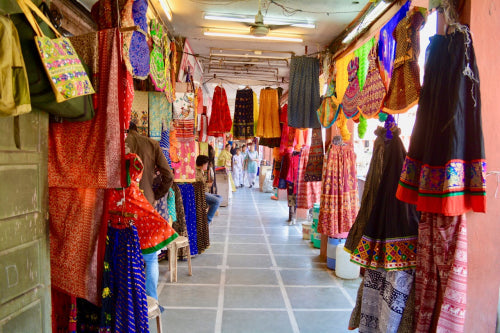
In the bustling lanes of Varanasi and the quiet looms of rural Tamil Nadu, India's textile traditions tell a story far richer than mere fabric. These age-old practices have long embodied principles that the modern world now celebrates as sustainability using natural fibres, minimising waste, and maintaining a deep respect for the environment. As conscious consumers across India seek responsible choices, the nation's textile heritage offers not just beautiful garments but valuable lessons in weaving sustainability into everyday industry and modern lifestyles.
Fast fashion erodes cultural heritage, sidelining artisans and reducing traditions to trends. At IndieHaat, we champion India's craftspeople with handcrafted sarees, apparel, décor, and skincare rooted in authenticity. Each piece embodies skill and ethical care. Support artisans and preserve India's timeless legacy Shop Now!
India's Timeless Textile Legacy Meets Today's Challenges
India has been a global textile powerhouse for centuries. Techniques passed down through generations inherently align with contemporary sustainability goals. Handloom weaving, natural dyeing with plants like indigo and turmeric, and the use of fibres such as cotton, silk, and linen reflect a philosophy of working in harmony with nature.
This heritage gains fresh relevance as brands and consumers grapple with the environmental impact of fast fashion. From the handloom clusters in Maheshwar to khadi initiatives backed by government efforts, these practices show how cultural preservation and ecological responsibility can thrive together. Geographical Indication (GI) tags and the Handloom Mark play a vital role in protecting traditional crafts while supporting fair livelihoods for countless artisans across the country.
The Growing Appeal of Sustainable Fibres and Handloom Revival
Across India, there is renewed appreciation for natural and eco-friendly materials. Organic cotton, hemp, and linen are gaining prominence as weavers and brands shift away from synthetic options. Linen, derived from the flax plant, stands out for its durability, breathability, and relatively low environmental footprint, making it ideal for India's diverse climates.
Handloom sarees remain a cornerstone of Indian ethnic wear. Artisans employ time-honoured methods that consume far less energy and generate minimal waste. These approaches not only ease environmental pressure but also generate meaningful employment in rural communities, strengthening local economies in ways large-scale manufacturing often struggles to match. Brands drawing from this heritage resonate strongly with consumers who prioritise traceability and ethical production.
This movement extends well beyond domestic markets. It influences supply chains serving buyers in the US, UK, Australia, UAE, and Singapore, where demand for authentic, sustainable Indian textiles continues to rise.
Innovations Blending Heritage with Modern Technology
Sustainability in Indian textiles is evolving rapidly. Forward-thinking initiatives combine traditional wisdom with contemporary tools. Blockchain technology enables transparent tracing of handwoven products from loom to consumer, building greater trust. AI-driven design tools help artisans optimise patterns and reduce material waste, while virtual try-on features on e-commerce platforms make heritage pieces more accessible to younger buyers.
In states like Gujarat and West Bengal, artisan cooperatives experiment with advanced natural dyeing processes that eliminate harmful chemicals yet produce rich, vibrant colours. These efforts address key concerns around water conservation and pollution while preserving the soul of Indian craftsmanship. The integration of such technologies ensures that traditional skills remain relevant and competitive in today's market.
Global Collaborations and the Shift Toward Circular Fashion
Indian textile expertise is becoming central to international circular fashion efforts. Brands in Singapore and the UAE are incorporating Indian handloom fabrics into recycling and upcycling programmes. These create closed-loop systems where garments receive new life instead of contributing to landfill waste.
Collaborations in the UK and Australia focus on eco-certifications and responsible sourcing from Indian suppliers. Such partnerships demonstrate how India's heritage can inspire global innovation delivering sustainable alternatives that meet international standards without sacrificing beauty or cultural depth. Consumers everywhere respond warmly to narratives of artisan empowerment and genuine environmental care.
Navigating Challenges While Unlocking Opportunities
The sector faces real hurdles. Scaling sustainable practices while keeping products affordable and high-quality demands continued investment in artisan training, better infrastructure, and stronger market connections. Climate variability also affects fibre crops, highlighting the need for resilient farming methods suited to Indian conditions.
These challenges, however, open significant opportunities. Government schemes promoting handlooms and organic cultivation, paired with rising consumer awareness during festivals like Diwali and wedding seasons, create fertile ground for expansion. Young Indian designers are reinterpreting classic motifs with modern silhouettes, appealing to urban professionals who desire clothing that honours heritage while fitting contemporary lifestyles.
Practical Guidance for Brands and Conscious Consumers
Businesses seeking to engage meaningfully with Indian textiles can focus on several key actions:
- Establishing direct partnerships with artisan clusters to uphold fair trade principles.
- Adopting traceability technologies that authentically communicate the story behind each piece.
- Developing seasonal collections using natural fibres best suited to India's varied regional climates.
- Educating customers about the cultural significance and environmental benefits of traditional textiles.
Individual consumers can contribute by choosing quality over quantity, maintaining garments properly to extend their life, and supporting verified sustainable and handloom products. Such choices strengthen rural economies and reduce fashion's ecological footprint.
Why India's Textile Approach Holds Lessons for the Future
As the world searches for responsible ways to produce and consume clothing, India's textile heritage provides a compelling model. It proves that sustainability need not compromise on elegance or tradition. Rather, it can be woven deeply into cultural identity.
The journey of sustainable practices in India's textile legacy continues to unfold, inspiring sectors far beyond fashion. By respecting ancestral wisdom while embracing innovation, India is emerging as a leader in responsible textile production one thread at a time.
Looking Ahead with Heritage and Optimism
The looms of India are not simply producing fabric. They are crafting a future where economic opportunity, cultural pride, and environmental stewardship coexist harmoniously. This balanced perspective offers valuable insights for the global textile industry as it adapts to a more conscious marketplace.
Whether draped in a handloom saree for a festive celebration or choosing breathable linen for daily wear, every mindful selection connects us to a richer, more sustainable narrative. India's textile story reminds us that genuine progress often means honouring the past with respect while advancing with purpose and innovation.
Frequently Asked Questions
What makes India's traditional textile practices sustainable?
India's traditional textile practices are inherently sustainable because they rely on natural fibres like organic cotton, hemp, silk, and linen, combined with plant-based dyeing techniques using ingredients such as indigo and turmeric. Handloom weaving consumes significantly less energy and generates minimal waste compared to industrial manufacturing. These centuries-old methods reflect a deep philosophy of working in harmony with nature, long before "sustainability" became a modern concern.
How is technology being used to modernize India's sustainable textile industry?
Modern innovations are being layered onto traditional craftsmanship to make India's textile sector more transparent and efficient. Blockchain technology enables end-to-end traceability of handwoven products from loom to consumer, while AI-driven design tools help artisans reduce material waste and optimize patterns. Virtual try-on features on e-commerce platforms are also making heritage textiles more accessible to younger, digitally-native shoppers.
How can conscious consumers support India's sustainable handloom and textile heritage?
Consumers can make a meaningful impact by choosing quality handloom and natural fibre products over fast fashion, and by looking for verified sustainable certifications such as the Handloom Mark or GI-tagged textiles. Properly maintaining garments to extend their lifespan and buying directly from artisan-backed brands or cooperatives further supports fair livelihoods in rural communities. Every mindful purchase helps preserve India's cultural legacy while reducing the environmental footprint of the fashion industry.
Disclaimer: The above helpful resources content contains personal opinions and experiences. The information provided is for general knowledge and does not constitute professional advice.
You may also be interested in: Unraveling the Marketing Psychology in the Apparel Industry
Fast fashion erodes cultural heritage, sidelining artisans and reducing traditions to trends. At IndieHaat, we champion India's craftspeople with handcrafted sarees, apparel, décor, and skincare rooted in authenticity. Each piece embodies skill and ethical care. Support artisans and preserve India's timeless legacy Shop Now!
Powered by flareAI.co