Ensuring Intergenerational Knowledge Transfer in Handloom
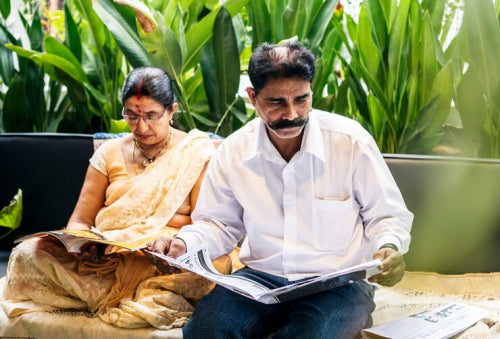
In the rich tapestry of India's living heritage, handloom represents far more than fabric. It carries the wisdom of countless generations, woven through skilled hands that have perfected the art over decades. Yet this precious legacy now stands at a crossroads. As master weavers grow older, the intricate knowledge required to create exquisite sarees, dress materials, Tussar sarees, and linen sarees faces the risk of fading. Ensuring intergenerational knowledge transfer in handloom has become essential not only for cultural preservation but for empowering artisan communities and meeting the growing desire for authentic, sustainable craftsmanship.
Fast fashion erodes cultural heritage, sidelining artisans and reducing traditions to trends. At IndieHaat, we champion India's craftspeople with handcrafted sarees, apparel, décor, and skincare rooted in authenticity. Each piece embodies skill and ethical care. Support artisans and preserve India's timeless legacy Shop Now!
The Enduring Value of Handloom Traditions
Handloom weaving forms the backbone of cultural identity across India and resonates deeply with diaspora communities in the US, Singapore, Australia, UK, and UAE. In rural weaving clusters, families have traditionally passed down techniques from parent to child the careful handling of the loom, the intuitive understanding of yarn behaviour, and the creation of distinctive motifs that tell stories of regions and seasons. However, urban migration and modern career paths have created gaps in this transmission, threatening the continuity of these time-honoured skills.
Curated platforms such as IndieHaat, rooted in Bangalore, address this challenge directly. The brand partners closely with artisans to offer carefully selected handmade apparel, accessories, home décor, and skincare products. Every item reflects authentic pure fabrics primarily linen, silk, and cotton sourced straight from makers. This direct connection keeps traditional skills economically sustainable and motivates families to continue sharing their expertise with younger generations.
Modern Strategies Bridging Generations
Digital innovation is quietly transforming how knowledge moves forward. In India, virtual workshops now allow senior artisans to demonstrate complex techniques to learners in distant locations, preserving nuances that might otherwise be lost. Similar efforts in Singapore combine traditional weaving with contemporary design education, enabling students to innovate while respecting foundational methods.
In the UK, heritage initiatives use video documentation and community sessions to record and teach specialised skills. Across the US, Indian diaspora networks organise cultural events and support online platforms that link ancestral crafts with appreciative buyers. These approaches turn preservation into a living, evolving practice rather than a static memory.
Grassroots Initiatives Making a Difference
Meaningful revival often begins at the community level. India's Khadi and Village Industries Commission conducts practical training programmes that equip young people with both weaving techniques and entrepreneurial skills. Participants learn not just to create but to market their products effectively, building viable livelihoods that encourage them to stay connected to the craft.
In Singapore, collaborative craft centres introduce sustainable practices and fresh applications for handloom, keeping it relevant for new audiences. UK-based exhibitions highlighting Indian textiles generate awareness and demand that flows back to artisan clusters in India. US diaspora communities strengthen these efforts by championing authentic handloom through e-commerce, creating income opportunities that inspire the next generation to learn and innovate.
Addressing Real-World Challenges
Common barriers persist. Many potential buyers hesitate due to higher prices compared to machine-made alternatives, concerns about authenticity, and the inability to physically examine fabrics before purchase. IndieHaat tackles these objections head-on through transparent storytelling about each artisan partner, clear details on sourcing, and an unwavering focus on unique designs in genuine fabrics. Availability on Amazon Marketplace and ONDC Marketplace further improves accessibility while upholding strict quality standards.
Consumer Demand Driving Positive Change
Buyers across target regions increasingly seek products with genuine stories and sustainable roots. A beautifully textured Tussar saree for festivals or breathable linen dress material for daily wear satisfies more than fashion needs it connects wearers to the human effort behind each piece. This appreciation creates strong incentives for artisans to mentor apprentices, knowing their skills hold real market value.
By prioritising ethical production and cultural authenticity, platforms like IndieHaat close the loop between makers and consumers. The outcome extends beyond individual garments to stronger rural economies, greater pride in traditional occupations, and the continuation of skills that might otherwise vanish.
Insights from Global Handicrafts Trends
Consumers worldwide show growing appreciation for handmade items created through traditional techniques and artistic craftsmanship. In the United States, cultural appreciation, demand for unique personalised goods, and preference for sustainable products with lower environmental impact continue to shape purchasing decisions. Handicrafts remain integral to human culture and heritage, showcasing distinctive artistic expressions from diverse communities.
These patterns align closely with Indian realities, where conscious consumers value craftsmanship over mass production. Artisans and brands that respond thoughtfully to such preferences help ensure knowledge transfer remains vibrant and future-focused.
Practical Ways to Support Knowledge Transfer
- Choose artisan-direct brands that openly share the journeys and techniques behind each creation, building trust and appreciation.
- Participate in workshops and programmes many welcome urban participants, diaspora members, and short-term learners eager to understand the craft firsthand.
- Opt for authentic fabrics such as pure linen, silk, or cotton handlooms, signalling clear market support for skilled weaving traditions.
- Amplify artisan voices on Instagram, Facebook, and YouTube by sharing their stories, which motivates both current makers and potential apprentices.
The Human Heart of Handloom
Beyond strategies and platforms lies the deeply human dimension. Picture a master weaver patiently guiding a young apprentice's hands across the loom, the shared satisfaction when a intricate pattern finally emerges, or the pride when a finished garment is worn at a family celebration. These moments create emotional bonds that no technology can fully replace, yet modern tools can help sustain and spread them.
Navigating vibrant local markets in India or browsing thoughtfully from abroad reveals a simple truth: supporting handloom means supporting people. IndieHaat's approach curated selection, direct artisan relationships, and commitment to purity and uniqueness demonstrates how business can actively nurture cultural continuity rather than erode it.
Securing the Future Weave by Weave
The path forward requires intentional collaboration among artisans, institutions, marketplaces, and conscious consumers. By combining respected traditional methods with accessible digital tools, structured apprenticeships, and effective distribution channels, we can safeguard this heritage for decades ahead.
Whether drawn to the natural sheen of a Tussar saree or the comfortable drape of linen, every mindful choice contributes to a larger story. It affirms the value of living traditions, supports empowered artisan communities, and ensures that the beauty and wisdom embedded in India's handloom continue to enrich lives across generations and geographies.
Frequently Asked Questions
Why is intergenerational knowledge transfer important for handloom weaving traditions in India?
Handloom weaving carries centuries of cultural identity, regional motifs, and specialized techniques that are passed down through families. As master weavers age and younger generations migrate to urban areas for modern careers, this knowledge risks being permanently lost. Preserving it is essential not only for cultural continuity but also for sustaining the livelihoods of artisan communities and meeting growing global demand for authentic, sustainable textiles like Tussar sarees, linen sarees, and handwoven dress materials.
How are modern digital tools helping preserve traditional handloom skills for younger generations?
Virtual workshops now allow senior artisans to teach complex weaving techniques to learners in remote locations, while video documentation helps capture nuances that might otherwise disappear. In countries like the UK, Singapore, and the US, diaspora communities and heritage initiatives use online platforms and cultural events to connect traditional crafts with new audiences and buyers. These digital strategies transform preservation from a static effort into a living, evolving practice that keeps handloom relevant across generations.
How can consumers support the preservation of handloom weaving traditions when buying Indian textiles?
Consumers can make a direct impact by choosing artisan-direct brands that are transparent about their sourcing and the craftspeople behind each product. Opting for authentic pure fabrics such as handwoven linen, silk, or cotton sends a clear market signal that skilled weaving holds real value, which in turn encourages artisans to train apprentices and pass on their expertise. Sharing artisan stories on social media and participating in weaving workshops are additional ways to amplify support for this living cultural heritage.
Disclaimer: The above helpful resources content contains personal opinions and experiences. The information provided is for general knowledge and does not constitute professional advice.
You may also be interested in: Unraveling the Rich Tapestry of Suzani Embroidery: A Central Asian Treasure
Fast fashion erodes cultural heritage, sidelining artisans and reducing traditions to trends. At IndieHaat, we champion India's craftspeople with handcrafted sarees, apparel, décor, and skincare rooted in authenticity. Each piece embodies skill and ethical care. Support artisans and preserve India's timeless legacy Shop Now!
Powered by flareAI.co