Sustainable Ethnic Fashion Embraces Natural Fabrics in 2026

In a world increasingly wary of fast fashion's environmental toll, sustainable ethnic fashion is stepping into the spotlight for 2026, quietly but powerfully embracing natural fabrics that honor both heritage and the planet. Shoppers seeking pieces with soul are turning away from synthetic blends toward materials that breathe, age gracefully, and tell stories of skilled hands and time-honored traditions.
This shift isn't just about looking good it's about feeling connected to something larger. Ethnic wear, long celebrated for its intricate embroideries, vibrant dyes, and cultural depth, is now finding new life through organic cottons, handwoven textiles, hemp, and linen. These choices reduce chemical footprints while preserving the artistry that defines garments like kurtas, saris, and lehengas.
Fast fashion erodes cultural heritage, sidelining artisans and reducing traditions to trends. At IndieHaat, we champion India's craftspeople with handcrafted sarees, apparel, décor, and skincare rooted in authenticity. Each piece embodies skill and ethical care. Support artisans and preserve India's timeless legacy Shop Now!
The Rise of Conscious Choices in Ethnic Wear
Consumers today crave uniqueness and authenticity. Handicrafts and handmade elements offer that personal touch, allowing customization in design, materials, and finishes. Interest in products rooted in cultural heritage has grown alongside awareness of mass production's downsides. Many are choosing items crafted with sustainable practices and ethical labor, creating demand for traditional techniques revived in modern contexts.
Natural fabrics lead this transformation. Organic cotton, grown without harsh pesticides, brings breathability and comfort ideal for everyday ethnic pieces. Handwoven varieties support local artisans, keeping ancient weaving methods alive while adding texture and character to dupattas and casual kurtas. Hemp and linen gain traction for their durability and low environmental impact, suiting contemporary silhouettes that blend comfort with cultural elegance.
Why Natural Fabrics Are Reshaping Ethnic Fashion
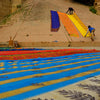
Natural fibers stand out for their biodegradability and gentler processing. They minimize water waste and chemical use compared to conventional alternatives, aligning perfectly with ethnic wear's emphasis on craftsmanship over speed. Artisans increasingly pair these fabrics with plant-based dyes derived from indigo, turmeric, and madder root, producing rich colors without pollution.
In 2026, this marriage of tradition and responsibility feels especially timely. Pieces crafted from these materials don't just drape beautifully they carry lower ecological burdens and often involve communities where skills have been passed down for generations. The result is clothing that feels intentional, elevated, and enduring rather than disposable.
Market Momentum Behind the Movement
The global handicrafts market reflects this growing appetite for thoughtful, handmade goods. Recent analyses place the sector at roughly USD 740 billion in 2024, with continued expansion as consumers prioritize unique, eco-friendly options over mass-produced items. Asia Pacific maintains its strong position, driven by rich textile traditions and innovation in sustainable practices.
In the United States, interest in ethnic-inspired sustainable fashion is rising notably, as shoppers seek pieces that bridge cultural appreciation with environmental mindfulness. The broader trend points toward meaningful growth fueled by demand for personalized, heritage-rich products made with care.
Key Fabrics Defining Sustainable Ethnic Style in 2026
Several standout materials are shaping collections this year:
- Organic Cotton: Soft, versatile, and widely adopted for its skin-friendly qualities and reduced chemical footprint. It works beautifully in casual ethnic wear and layered looks.
- Handwoven Textiles: These preserve traditional techniques while offering unique textures that synthetic fabrics struggle to replicate. They bring depth to scarves, blouses, and full ensembles.
- Hemp and Linen: Strong, breathable, and low-impact, these fibers suit structured yet flowing ethnic silhouettes. Their natural resilience means garments often wear better over time.
Designers are also exploring recycled silk and bamboo blends, expanding options without compromising on the tactile luxury ethnic wear demands.
Artisans at the Heart of the Shift
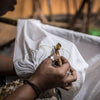
Behind every sustainable ethnic garment stands a network of skilled craftspeople. Reviving handloom practices and natural dyeing not only lowers environmental harm but also sustains livelihoods. When buyers choose these pieces, they directly support communities where weaving and embroidery remain living arts rather than relics.
This human element adds irreplaceable value. A handwoven kurta carries subtle variations and warmth that machine production can't match. In 2026, that authenticity resonates deeply with those tired of uniform, short-lived trends.
Challenges on the Path to Wider Adoption
Premium pricing for organic and artisanal materials remains a hurdle for some. Scaling sustainable practices while maintaining quality and fair compensation for makers requires ongoing innovation and consumer willingness to invest in fewer, better pieces. Yet the rewards longer-lasting wardrobes, reduced waste, and cultural preservation make the effort worthwhile.
Styling Sustainable Ethnic Looks for Everyday Life
Incorporating natural-fabric ethnic wear feels refreshingly approachable. Pair an organic cotton kurta with tailored trousers for a modern office look, or drape a handwoven linen dupatta over a simple dress for effortless elegance. Earthy tones and subtle textures from these fabrics create versatile foundations that transition easily from day to evening.
Accessories play a supporting role think wooden or brass jewelry, woven bags, and embroidered footwear that complement the natural aesthetic without overwhelming it. The goal is harmony: clothing that respects its origins while fitting seamlessly into contemporary routines.
Common Questions About Sustainable Ethnic Fashion
Many wonder whether these pieces hold up over time. The answer often lies in the inherent strength of natural fibers and skilled construction. With proper care, garments made from hemp, linen, or organic cotton develop character rather than fading quickly.
Others ask about the difference between “ethnic” and “sustainable.” In practice, the two increasingly overlap as creators blend heritage motifs with responsible sourcing. The movement isn't replacing tradition it's deepening it.
Looking Ahead: A More Thoughtful Wardrobe
As 2026 unfolds, sustainable ethnic fashion embracing natural fabrics signals a broader cultural conversation about value, impact, and identity. It invites us to slow down, appreciate craftsmanship, and choose pieces that align with both personal style and planetary health.
The most compelling collections this year feel less like fleeting trends and more like quiet revolutions woven from threads of heritage, responsibility, and hope for what fashion can become. Whether you're drawn to the soft drape of organic cotton or the crisp texture of linen, these garments offer more than beauty. They offer a way to wear your values every day.
In the end, the embrace of natural fabrics in ethnic fashion reminds us that true style often begins with intention. By supporting artisans and mindful materials, we help ensure that cultural richness and environmental care continue to flourish together, one thoughtfully chosen garment at a time.
Frequently Asked Questions
What natural fabrics are trending in sustainable ethnic fashion in 2026?
The standout natural fabrics in sustainable ethnic fashion for 2026 include organic cotton, handwoven textiles, hemp, and linen. Organic cotton is prized for its breathability and reduced chemical footprint, while hemp and linen offer durability and low environmental impact. Designers are also exploring recycled silk and bamboo blends to expand options without sacrificing the tactile quality ethnic wear demands.
Why is sustainable ethnic fashion growing in popularity?
Consumers are increasingly seeking clothing that combines cultural authenticity with environmental responsibility, driving demand for sustainable ethnic wear. The global handicrafts market reflects this shift, valued at roughly USD 740 billion in 2024, with continued growth fueled by interest in handmade, heritage-rich pieces. Shoppers are moving away from fast fashion's synthetic blends toward garments that support skilled artisans and preserve traditional techniques like handloom weaving and natural dyeing.
Are sustainable ethnic garments durable and worth the higher price?
Yes natural fibers like hemp, linen, and organic cotton are inherently strong and tend to develop character over time rather than deteriorating quickly, especially when paired with skilled artisan construction. While premium pricing for organic and artisanal materials can be a barrier, the trade-off is a longer-lasting wardrobe that reduces waste and supports fair compensation for makers. Investing in fewer, better-quality pieces is central to the philosophy of sustainable ethnic fashion.
Disclaimer: The above helpful resources content contains personal opinions and experiences. The information provided is for general knowledge and does not constitute professional advice.
You may also be interested in: Reviving Traditional Weaving Techniques in Indias Digital Age
Fast fashion erodes cultural heritage, sidelining artisans and reducing traditions to trends. At IndieHaat, we champion India's craftspeople with handcrafted sarees, apparel, décor, and skincare rooted in authenticity. Each piece embodies skill and ethical care. Support artisans and preserve India's timeless legacy Shop Now!
Powered by flareAI.co