Handloom Sector Experiences Steady Growth in Conscious Consumer Base

In a world saturated with mass-produced uniformity, the handloom sector stands out as a beacon for those who cherish craftsmanship, sustainability, and the human stories embedded in every thread. Once viewed as a remnant of traditional economies, handloom weaving is now experiencing steady growth, propelled by a rising tide of conscious consumers eager to move beyond fast fashion's heavy environmental footprint.
Fast fashion erodes cultural heritage, sidelining artisans and reducing traditions to trends. At IndieHaat, we champion India's craftspeople with handcrafted sarees, apparel, décor, and skincare rooted in authenticity. Each piece embodies skill and ethical care. Support artisans and preserve India's timeless legacy Shop Now!
The Enduring Appeal of Handloom Traditions
Handloom weaving forms a vital part of cultural heritage, especially across Asia where artisanal skills have been nurtured and passed down through generations. From intricate sarees and elegant scarves to soft home linens and distinctive accessories, these textiles possess an authenticity that machine-made fabrics rarely match. Today, as shoppers increasingly question the true cost of their garments, handlooms are gaining prominence not merely as nostalgic items but as practical and meaningful everyday choices.
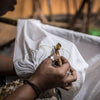
The true draw lies in the meticulous process. Each fabric takes shape through patient, deliberate work on wooden looms, often employing natural fibers and plant-based dyes. This approach contrasts sharply with the resource-intensive nature of industrial production. Ethical consumers find genuine reassurance in backing artisans who preserve these time-honored methods while subtly adapting them to modern preferences.
Conscious Consumers Fueling Steady Growth
A broadening group of buyers, including younger generations and environmentally minded professionals, now prioritizes products that reflect their personal values. They look for items that are not only aesthetically pleasing but also gentler on the planet and fairer to the people who create them. Handloom products align seamlessly with this mindset, delivering uniqueness alongside a reduced environmental impact compared to conventional textiles.
These consumers tend to favor durable pieces meant to endure rather than fleeting trends. Quality and narrative take precedence over volume, fostering a meaningful shift toward mindful purchasing. Brands and platforms that spotlight artisan stories have played a key role in connecting rural weaving communities with urban and international markets, preserving the craft's integrity while expanding its reach.
Market Momentum Rooted in Sustainability
The global handloom products market continues to thrive, sustained by strong consumer interest in sustainable, unique, and culturally resonant goods. Asia Pacific maintains its leading position, underpinned by longstanding traditions and skilled artisan networks that supply much of the world's handwoven output.
Beyond specific figures, the sector's expansion highlights a wider embrace of ethical textiles. This growth translates into tangible benefits: greater livelihood security for weavers, continued vitality for traditional crafts at risk of fading, and lighter strain on global supply chains. Supportive policies in major producing nations focused on export promotion and skill development have helped artisans connect with broader audiences via digital marketplaces and social platforms.
What Distinguishes Handloom in Today's Fashion Landscape
Handloom fabrics offer distinctive texture, natural breathability, and individual character that synthetic or high-volume alternatives often fail to replicate. Whether crafted from cotton, silk, linen, or wool, these materials tend to become more comfortable with use and frequently feature subtle variations that render each piece truly unique.
- Environmental advantages: Reduced energy consumption in production and the use of biodegradable fibers contribute to lower overall waste.
- Cultural significance: Regional patterns and motifs frequently carry local narratives, ranging from bold geometric forms to delicate floral inspirations.
- Ethical foundations: Purchasing handloom directly bolsters small-scale producers and strengthens community resilience.
Both fashion aficionados and interior designers are integrating handloom elements into daily wear and living environments, skillfully merging heritage with contemporary minimalism. A single handwoven kurta or a thoughtfully crafted throw can transform an ensemble or space while quietly affirming a commitment to conscious living.
Navigating Challenges in a Changing Industry
Positive developments notwithstanding, the handloom sector still encounters obstacles. Artisans frequently grapple with inconsistent access to quality raw materials, price volatility, and the demanding physical aspects of their work. As urbanization accelerates, younger community members are sometimes drawn away from villages, threatening the transmission of specialized knowledge unless effective training initiatives intervene.
Encouragingly, fresh approaches are taking root. Certain cooperatives are blending traditional techniques with updated designs, advancing natural dyeing methods, and enhancing transparency throughout supply chains to better engage newer audiences. The rise of digital platforms has also facilitated direct connections between makers and buyers, minimizing intermediaries and improving returns for those at the loom.
The Human Stories Woven into Every Piece
Imagine a weaver in a quiet rural hamlet beginning work as first light appears, methodically preparing threads that will eventually form a vibrant stole for a distant city home. Or consider a multi-generational family workshop where techniques are refined gradually across decades. These personal dimensions give handloom products a depth that no factory label can impart.
More buyers today express a sense of connection to these origins. Acquiring a handloom scarf for a loved one or selecting breathable linens for the home transcends a simple purchase it becomes participation in a broader movement toward more intentional consumption.
Harmonizing Heritage with Modern Living
The handloom sector's ongoing progress mirrors a significant societal evolution. With growing recognition of fast fashion's drawbacks, increasing numbers of people are turning toward options that respect both human dignity and environmental health. Far from turning away from progress, this represents an effort to enrich contemporary life with irreplaceable human craftsmanship.
Creative professionals are responding with thoughtful fusion collections, such as handloom jackets paired with everyday denim or table runners that enhance sleek modern interiors. Awareness initiatives and opportunities to engage directly with artisans help illuminate the skill and dedication involved, deepening consumer appreciation.
A Promising Path Forward
Looking ahead, the handloom sector appears poised for continued alignment between preserved traditional knowledge and rising conscious consumerism. Each deliberate choice of handwoven goods helps safeguard cultural diversity, sustain rural economies, and ease pressures on the natural world one mindful acquisition at a time.
Ultimately, the rhythmic sound of the loom conveys far more than mechanical motion. It resonates with resilience, artistry, and an expanding worldwide recognition of the value inherent in objects created with care. As this movement gathers strength, it underscores that some of the most profound advancements begin with threads drawn from the past, intentionally interwoven into the fabric of the future.
Frequently Asked Questions
Why is the handloom sector experiencing steady growth?
The handloom sector is seeing steady growth thanks to a rising base of conscious consumers who are moving away from fast fashion's environmental and cultural costs. These buyers especially younger generations and environmentally minded professionals prioritize sustainable, unique textiles made with natural fibers and plant-based dyes on traditional wooden looms. This shift has strengthened the global handloom products market, particularly in the Asia Pacific, by connecting rural artisans with urban and international buyers through digital platforms.
What are the key advantages of handloom products over machine-made fabrics?
Handloom fabrics offer distinctive texture, natural breathability, and subtle variations that make every piece truly unique qualities rarely found in mass-produced textiles. They provide clear environmental advantages through lower energy use, biodegradable fibers, and reduced waste, while carrying rich cultural significance via regional patterns and motifs. Ethically, choosing handloom directly supports small-scale producers, strengthens community resilience, and delivers durable, comfortable items meant to last rather than follow fleeting trends.
How does buying handloom products help preserve cultural heritage and support artisans?
Every handloom purchase helps preserve India's timeless legacy by sustaining the livelihoods of skilled craftspeople and keeping traditional weaving techniques alive across generations. It counters fast fashion's erosion of cultural heritage, ensuring artisans in rural communities receive fair returns and continue passing on their expertise. Platforms like IndieHaat make this easy by offering authentic handcrafted sarees, apparel, décor, and skincare, allowing conscious consumers to participate in a movement that values ethical care and human stories woven into every thread.
Disclaimer: The above helpful resources content contains personal opinions and experiences. The information provided is for general knowledge and does not constitute professional advice.
You may also be interested in: The Global Appeal of Indian Handcrafted Fabrics: A Look at the Export
Fast fashion erodes cultural heritage, sidelining artisans and reducing traditions to trends. At IndieHaat, we champion India's craftspeople with handcrafted sarees, apparel, décor, and skincare rooted in authenticity. Each piece embodies skill and ethical care. Support artisans and preserve India's timeless legacy Shop Now!
Powered by flareAI.co