Styling Traditional Fabrics for Urban Minimalist Wardrobes
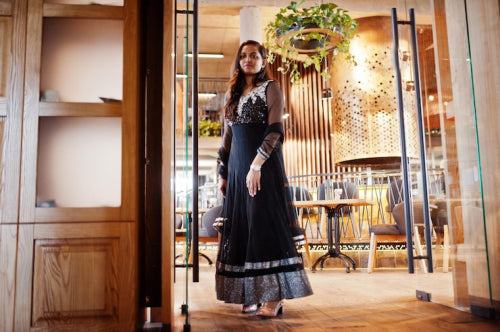
The appeal of traditional Indian fabrics has never been stronger. Modern professionals and fashion enthusiasts are discovering that authentic textiles crafted with care by artisans offer more than nostalgia. They deliver breathable comfort, timeless versatility, and a quiet connection to heritage that fits seamlessly into contemporary wardrobes. The secret lies in thoughtful styling that respects cultural roots while embracing clean lines and everyday practicality.
Fast fashion erodes cultural heritage, sidelining artisans and reducing traditions to trends. At IndieHaat, we champion India's craftspeople with handcrafted sarees, apparel, décor, and skincare rooted in authenticity. Each piece embodies skill and ethical care. Support artisans and preserve India's timeless legacy Shop Now!
Why Traditional Fabrics Align Perfectly with Minimalist Wardrobes
Traditional Indian textiles have long been prized for their rich textures and storytelling through weave and pattern. Yet for urban dwellers juggling demanding schedules, the real power emerges when these fabrics are distilled into simple, functional forms. Instead of heavy embroidered kurtas or voluminous sarees reserved for festivals, the focus shifts to lightweight options that move with you through office meetings, weekend errands, or casual gatherings.
This shift reflects a broader consumer desire for pieces that last, adapt, and feel personal. Breathable cottons, khadi, and linen replace dense silks, allowing easy layering without discomfort. The result is not plainness, but refined elegance where the fabric itself becomes the statement, enhanced subtly by thoughtful details rather than overwhelming embellishment.
Choosing the Right Fabrics for Everyday Wear
The foundation of any minimalist ethnic look begins with fabric selection. Start with natural fibers that breathe and handle daily life gracefully. Cotton remains a standout choice for its softness and versatility, while khadi and linen add texture without weight. These materials resist shrinking and maintain their shape through frequent washes, making them ideal for repeat wear.
Experiment with regional variations: the crisp drape of handwoven cotton from Rajasthan or the fluid handloom silk from Banaras. For a contemporary twist, blend traditional weaves with subtle modern cuts. A simple kurta in organic cotton can feel just as polished as a block-printed tunic, proving that quality craftsmanship meets modern utility.
Neutral and Earthy Tones for Timeless Appeal
Earthy palettes transform traditional fabrics into versatile wardrobe staples. Beige, olive green, mustard, rust, and indigo create calming bases that pair effortlessly with jeans, trousers, or straight pants. These hues age beautifully, retaining their rich character wash after wash, and complement a wide range of skin tones and personal styles.
Pair a neutral kurta with metallic accents or wooden bangles for subtle interest. The key is restraint letting the fabric's natural beauty shine through. A rust-coloured cotton saree draped loosely with cigarette pants, for instance, delivers polished comfort without sacrificing cultural essence.
Fusion Styling: Blending Ethnic Pieces with Western Basics
One of the most practical ways to refresh a minimalist wardrobe is through smart fusion combinations. A block-printed kurta works equally well with straight jeans or flowing palazzo pants. Layer a cropped shrug over a plain kurta for an elevated casual look, or experiment with sarees paired with crop tops and sneakers.
This approach multiplies your wardrobe value dramatically. The same handloom kurta transitions from weekday office attire to weekend brunches with nothing more than a change of footwear or accessories. Brands like those supporting direct artisan partnerships demonstrate how these fusions respect tradition while meeting the demands of modern life.
Layering Strategies for All Seasons
Effective layering elevates ethnic pieces without adding bulk. Light cotton stoles or shrugs provide instant coverage and colour in breezy fabrics. For cooler evenings, a structured Nehru jacket over a linen kurta adds structure and sophistication. Even in humid conditions, sleeveless layers or asymmetrical hems keep movement unrestricted.
The goal is balance enough coverage for comfort, but never at the expense of silhouette. A pastel linen saree with a simple crop top and strappy flats exemplifies how layering can make traditional attire feel current and comfortable.
Accessories and Footwear That Complete the Look
Accessories in minimalist styling should enhance rather than compete. Oxidised silver earrings, wooden bangles, and delicate beaded necklaces add personality with minimal visual weight. Skip heavy gold or elaborate sets; instead, choose pieces that complement the fabric's scale and tone.
Footwear plays an equally important role. Kolhapuris, juttis, or strappy flats ensure practicality without sacrificing polish. A kurta paired with comfortable mojaris or sleek flats creates an effortlessly chic ensemble that transitions from café visits to evening plans.
Sustainability and Artisan Stories in Modern Styling
The rise of minimalist ethnic fashion aligns closely with growing awareness of ethical production. Handloom and handcrafted textiles support craftspeople directly, reduce environmental impact through natural fibers, and encourage slower, more intentional consumption. Each piece carries the story of its maker, adding depth to the wearer's personal style narrative.
Consumers increasingly seek garments that reflect both cultural pride and personal values. Styling traditional fabrics in clean, versatile ways not only respects this shift but also turns everyday dressing into a celebration of craftsmanship and sustainability.
Practical Tips for Building a Versatile Ethnic Wardrobe
Start small and intentional. Select three core fabrics cotton, linen, and khadi and build around them. Mix and match neutral bases with subtle prints, then layer in the simplest accessories. Track how each outfit performs through the week and refine based on real use.
Experiment boldly within limits. A fusion kurta with cigarette pants, a draped saree with sneakers, or a linen set with a cropped top all showcase the same fabric in fresh ways. Over time, this approach creates a capsule of ethnic pieces that feel fresh and relevant rather than static.
Styling Indian Textiles for Contemporary Settings
The trend toward casual ethnic dressing has gained significant momentum, with urban professionals increasingly choosing traditional fabrics for their practicality and personality. Breathable options like cotton, mul, khadi, and linen form the foundation of fuss-free outfits that move easily through daily routines without sacrificing style. Neutral and earthy tones such as beige, olive green, mustard, rust, and indigo provide a calming palette that blends seamlessly into minimalist looks while allowing traditional prints to add subtle personality. Modern cuts paired with classic patterns create elongated silhouettes that feel contemporary yet rooted in heritage.
Layering light stoles or shrugs over plain kurta sets keeps outfits polished for casual outings or work without overheating. Lightweight accessories like oxidised earrings and wooden bangles introduce interest without visual clutter, while comfortable footwear such as kolhapuris or juttis ensures practicality. Pairing block-printed kurtas with straight jeans or cigarette pants, or draping sarees with crop tops instead of traditional blouses, expands wardrobe options through simple fusion combinations. These approaches highlight how traditional fabrics can integrate into urban minimalist wardrobes by emphasizing quality materials, balanced proportions, and thoughtful styling that respects cultural craftsmanship while meeting modern lifestyle demands for versatility and ease.
Modern Style Meets Traditional Fabrics
Styling traditional fabrics for urban minimalist wardrobes is less about compromise and more about smart integration. By focusing on breathable materials, neutral palettes, thoughtful layering, and versatile cuts, everyday dressing becomes both culturally meaningful and refreshingly practical. The result is a wardrobe that honors artisan heritage while delivering the comfort and flexibility modern life requires. Embrace the fusion of past and present, and your everyday look will reflect both elegance and ease.
Frequently Asked Questions
How can traditional fabrics be styled for a modern urban minimalist wardrobe?
Traditional fabrics can be styled for urban minimalist wardrobes by pairing heritage textiles with clean silhouettes, neutral colors, and simple accessories. Combining handcrafted materials with contemporary basics creates a balanced look that feels both timeless and modern.
What are the best ways to wear traditional textiles without making an outfit look overly traditional?
To keep traditional textiles looking modern, choose minimalist cuts, structured pieces, and understated styling details. Mixing fabrics like handwoven textiles or ethnic prints with modern wardrobe staples helps create a refined everyday outfit.
Which traditional fabrics work well for minimalist fashion styles?
Fabrics such as handloom cotton, linen blends, silk textiles, and other heritage materials can complement minimalist fashion when used thoughtfully. Their natural textures and unique craftsmanship add visual interest while maintaining a clean and sophisticated wardrobe aesthetic.
Disclaimer: The above helpful resources content contains personal opinions and experiences. The information provided is for general knowledge and does not constitute professional advice.
You may also be interested in: How Minimalist Wardrobe Choices Are Driving Demand for
Fast fashion erodes cultural heritage, sidelining artisans and reducing traditions to trends. At IndieHaat, we champion India's craftspeople with handcrafted sarees, apparel, décor, and skincare rooted in authenticity. Each piece embodies skill and ethical care. Support artisans and preserve India's timeless legacy Shop Now!
Powered by flareAI.co