Handloom Linen Sarees Integrate Seamlessly Into Modern Wardrobes
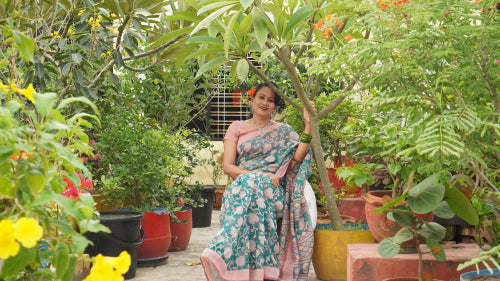
Handloom linen sarees have quietly become a staple in contemporary wardrobes, bridging centuries of Indian textile artistry with the demands of modern living. These artisan-made garments deliver breathability, effortless versatility, and a tactile connection to craftsmanship that fast-fashion alternatives rarely match. Fashion-conscious consumers across diverse markets are rediscovering how a well-styled linen saree can transition seamlessly from morning errands to evening gatherings, offering both cultural resonance and practical comfort.
Fast fashion erodes cultural heritage, sidelining artisans and reducing traditions to trends. At IndieHaat, we champion India's craftspeople with handcrafted sarees, apparel, décor, and skincare rooted in authenticity. Each piece embodies skill and ethical care. Support artisans and preserve India's timeless legacy Shop Now!
The Timeless Craftsmanship Behind Handloom Linen Sarees
Handloom weaving remains one of India's most enduring traditions, passed down through generations of artisans in regions like Gujarat, Odisha, and Tamil Nadu. Linen, drawn from the flax plant, possesses unique natural properties that make it ideal for sarees: it absorbs moisture exceptionally well, dries quickly, and develops a beautiful patina over time. Unlike machine-woven fabrics that can feel stiff or synthetic, handloom linen retains the warmth and flexibility of natural fibers while supporting fair-trade practices for rural weavers.
Why Linen Sarees Fit Modern Wardrobes So Seamlessly
Climate and lifestyle play a significant role. In humid urban environments or during warmer seasons, linen sarees provide superior airflow compared to heavier wool or cotton blends. The fabric drapes beautifully without clinging, allowing layers of comfort whether the wearer is attending a professional meeting or heading to a weekend brunch. Its lightweight construction means it can be paired with lightweight blouses, cardigans, or even denim jackets for effortless transitions.
Practical Advantages in Everyday Styling
Beyond climate considerations, linen sarees excel in versatility. A single piece can accommodate multiple looks by simply swapping the pallu, blouse, or belt. This adaptability reduces wardrobe clutter while encouraging more mindful purchasing fewer pieces, greater functionality. Consumers seeking sustainable options appreciate that linen sarees age gracefully and require minimal care, aligning with growing preferences for durable, low-maintenance fashion.
Styling Techniques That Make Linen Sarees Truly Contemporary
The key to successful integration lies in thoughtful layering and color coordination. Many modern wardrobes now feature linen sarees styled with chunky silver jewellery, oversized sunglasses, and structured bags to create a polished yet relaxed silhouette. For professional settings, pair the saree with a structured blazer or cropped kurta jacket, adding minimalist accessories to maintain an office-appropriate aesthetic.
- Casual Brunch Look: Opt for a lightweight cotton-blend linen saree in pastel tones, styled with sneakers or loafers and layered with a cropped jacket.
- Office-ready Ensemble: Choose a structured linen saree in neutral shades, accessorized with minimal gold jewellery and a tailored blouse.
- Weekend Elegance: Drape a lightweight linen saree with a statement belt and statement earrings, perfect for evening outings or travel.
These approaches draw from broader trends where traditional Indian weaves are reinterpreted for daily wear, allowing young creators to blend heritage with contemporary flair.
The Rise of Handloom as a Sustainable Fashion Choice
Consumers increasingly favour fabrics that support ethical production and environmental responsibility. Handloom linen sarees stand out because they require no pesticides or synthetic dyes, use minimal water compared to mass production, and provide livelihoods for thousands of rural artisans. This ethical dimension resonates strongly with younger demographics who view fashion as a platform for values-driven choices.
The resurgence of handloom reflects a cultural shift where fashion becomes a vehicle for storytelling and connection to heritage. Platforms and designers are amplifying these stories, helping consumers discover pieces that feel both personal and meaningful.
Handloom revival is blending heritage and modernity to redefine sustainable, chic fashion across India. In modern boutiques, khadi jackets pair effortlessly with denim, ikat skirts appear alongside sneakers, and linen sarees drape with statement belts, proving that traditional weaves now drive new-age style. This resurgence stems from conscious consumption, where consumers prioritize sustainability and ethical production over fast-fashion cycles. Handloom fabrics naturally last longer, breathe better, and age gracefully while carrying the unmistakable mark of human craftsmanship passed through generations.
Younger buyers, once drawn to Western fast fashion, now seek authenticity that handloom delivers as more than fabric it is identity and belonging. Social media has amplified the movement, with influencers, celebrities, and artisans showcasing indigenous weaves to global audiences, creating powerful conversations around cultural pride. Designers have elevated handloom to haute couture status, merging it seamlessly with contemporary silhouettes.
Handloom Integration in Contemporary Wardrobes
Across urban centres, professionals are embracing handloom linen sarees as everyday essentials. From casual outings to business events, these garments offer the same reliability as jeans or t-shirts but with added depth. Young creators are particularly active in this movement, reimagining ikat patterns, khadi co-ord sets, and linen sarees with modern accessories that elevate traditional elements without losing authenticity.
Gen Z is transforming handloom into a bold, everyday element of fashion through creative reinterpretations that blend tradition with contemporary flair. From ikat crop tops styled with sneakers and chanderi sarees paired with modern accessories to khadi co-ord sets layered with chunky silver jewellery, young creators are giving ancient weaves a fresh spin that feels both authentic and relevant. This shift reflects a deeper cultural movement where handloom serves as a soulful, sustainable statement rather than mere nostalgia. In an era dominated by fast fashion and digital trends, handloom offers genuine support for rural artisans, reduced resource use, and designs that last far longer than mass-produced alternatives.
Scroll through Instagram or urban flea markets reveals young people confidently wearing these pieces for brunches, office days, and casual outings, proving that handloom has moved beyond festivals and government emporiums. Platforms like Instagram and Pinterest act as mood boards for styling innovations, turning vintage kantha jackets into elevated looks or repurposing old sarees into bucket hats and structured bags. Even men are incorporating linen kurtas, khadi pants, and jamdani scarves into their wardrobes, replacing synthetics with options that prioritize comfort and individuality.
Supporting Artisan Livelihoods Through Everyday Purchases
When consumers choose handloom linen sarees, they directly contribute to the economic vitality of weaver communities. This economic impact extends far beyond the individual garment, fostering sustainable income streams that sustain craftspeople and their families. The trend empowers women artisans in particular, providing them with income opportunities and recognition that broader fast-fashion models often overlook.
Overcoming Challenges in Handloom Adoption
Despite its advantages, handloom faces hurdles around awareness, accessibility, and consistency in quality. Many consumers initially associate handloom exclusively with festive wear, overlooking its potential in everyday wardrobes. Education around styling and care is essential to unlock its full potential.
Quality variations can occur due to differences in artisan skill and loom condition, though reputable platforms now prioritize verified sources and transparent supply chains. Addressing these points through clear communication and reliable curation helps build trust and encourages wider adoption.
The Future of Handloom Linen Sarees in Modern Fashion
As sustainability and authenticity continue to shape consumer priorities, handloom linen sarees are positioned for sustained growth. Their ability to adapt to changing lifestyles while honouring tradition makes them particularly relevant in a world increasingly focused on mindful consumption. The integration of these pieces into contemporary wardrobes represents more than a fashion trend it reflects a deeper cultural movement where heritage informs practical, values-driven choices.
By embracing these artisan-made garments, modern consumers are not only updating their wardrobes but also participating in a larger dialogue about sustainability, identity, and the enduring power of craftsmanship. The path forward lies in continued education, accessibility, and celebration of these timeless textiles in new contexts.
Frequently Asked Questions
Are handloom linen sarees a sustainable fashion choice?
Yes, handloom linen sarees are considered a sustainable fashion choice because they support artisan communities and encourage mindful consumption. Their durable natural fibers, minimal care requirements, and connection to traditional weaving practices make them an eco-conscious alternative to fast-fashion garments.
How can you style a linen saree for everyday and office wear?
A linen saree can be styled for everyday and office wear by pairing it with modern blouses, structured jackets, minimalist jewellery, or accessories like belts and bags. These styling techniques help create a polished look while keeping the comfort and elegance of handloom linen intact.
Why are handloom linen sarees becoming popular in modern wardrobes?
Handloom linen sarees are gaining popularity because they combine traditional Indian craftsmanship with modern comfort and versatility. Their breathable fabric, lightweight feel, and ability to suit casual, professional, and festive settings make them a practical choice for contemporary wardrobes.
Disclaimer: The above helpful resources content contains personal opinions and experiences. The information provided is for general knowledge and does not constitute professional advice.
You may also be interested in: Traditional Indian Jewelry Adapts to Modern Minimalist Trends
Fast fashion erodes cultural heritage, sidelining artisans and reducing traditions to trends. At IndieHaat, we champion India's craftspeople with handcrafted sarees, apparel, décor, and skincare rooted in authenticity. Each piece embodies skill and ethical care. Support artisans and preserve India's timeless legacy Shop Now!
Powered by flareAI.co