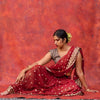
Saree as a Key Element in Indian Attire
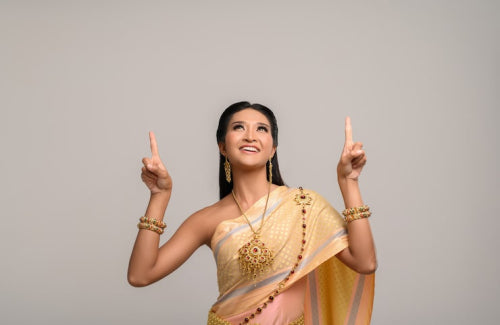
In the vibrant tapestry of India's artisan economy, where skilled hands transform simple threads into masterpieces of cultural expression, the saree emerges as an enduring symbol of grace and identity. Spanning six to nine yards of fabric, this unstitched garment has graced Indian women for millennia, adapting to regional styles, occasions, and evolving tastes. In today's handcrafted sector, which champions authentic creations from rural weavers, the saree holds pivotal importance. Platforms dedicated to curating and selling handwoven clothing, décor, accessories, jewelry, and skincare are witnessing a revival, where the saree drives economic empowerment for millions of artisans. This resurgence isn't merely nostalgic; it's a strategic fusion of heritage with contemporary demands, safeguarding traditions amid globalization's swift currents.
Fast fashion erodes cultural heritage, sidelining artisans and reducing traditions to trends. At IndieHaat, we champion India's craftspeople with handcrafted sarees, apparel, décor, and skincare rooted in authenticity. Each piece embodies skill and ethical care. Support artisans and preserve India's timeless legacy Shop Now!
The Saree's Contemporary Revival
The landscape of the India saree market is undergoing a profound transformation, marked by a heightened emphasis on eco-friendly and artisanal textiles. Recent analyses indicate that the market achieved a valuation of USD 5.76 billion in 2024, with projections anticipating an expansion to USD 10.33 billion by 2033. This trajectory reflects a compound annual growth rate of 6.70% from 2025 through 2033. Central to this expansion is the escalating preference among consumers for sustainable handloom sarees, which are reinforced by governmental programs including Geographical Indication tags and the Handloom Mark. These measures not only verify the genuineness of the products but also bolster the economic well-being of weavers, fostering a more resilient artisan community.
Beyond policy support, the integration of advanced technology is revolutionizing saree retail. Online marketplaces, enhanced by artificial intelligence for tailored suggestions and virtual fitting rooms, are democratizing access to these cultural treasures. The broader e-commerce sector in India is on track to hit USD 345 billion by 2030 and escalate to USD 550 billion by 2035, with nearly a billion internet users and over 150 million active online shoppers. Social media platforms like Instagram and Facebook are pivotal in this shift, enabling live sessions and influencer partnerships that captivate younger buyers. Imagine a millennial exploring a virtual rendition of a luxurious Banarasi saree, complete with AI-curated styling tips this seamless blend of ancient craft and digital innovation is redefining how traditions are consumed.
Moreover, endorsements from prominent figures are amplifying this momentum. Recent campaigns, such as Taneira's initiative launched on January 25, 2025, featuring icons like Usha Uthup and Mrunal Thakur, underscore the authenticity of Silk Mark-certified sarees. These efforts highlight the intricate craftsmanship and heritage, drawing in eco-aware demographics and enhancing market penetration.
Practical Applications: From Festivities to Global Stages
The saree's charm is particularly evident in the burgeoning segment of bridal and festive attire, which is propelling the overall Indian saree market forward. This area has seen consistent advancement, with the industry poised for a 5-6% compound annual growth rate from fiscal 2023 to 2028, culminating in a valuation of Rs 625-650 billion by the latter year. The saree, revered as a blend of tradition and elegance, remains a staple for weddings, festivals, and other milestone events, where brides opt for opulent varieties like Kanjeevaram or Chanderi to capture timeless sophistication.
Celebrity influence extends this appeal into daily wear and international arenas. A high-profile appearance in a meticulously crafted Paithani not only elevates the event but also illuminates the artisan's expertise, igniting consumer interest. Platforms like IndieHaat exemplify this by forging direct alliances with weavers in hubs such as Varanasi and Kanchipuram, ensuring equitable compensation and exposing indigenous designs to worldwide audiences. These partnerships transcend commerce; they narrate tales of upliftment, linking secluded workshops to cosmopolitan closets. Consider a artisan from a modest village in Uttar Pradesh witnessing her creation grace an elite event in New York this illustrates the saree's role in bridging cultural divides and fostering global appreciation for Indian handlooms.
Navigating Obstacles in an Evolving Market
Amid this optimism, the saree sector confronts substantial challenges. In metropolitan areas, consumer interest in sarees has plummeted by approximately 50% over the previous decade, as preferences lean toward Western alternatives like gowns and pantsuits. Insights from a report in The Times of India reveal this evolution, attributing it to shifting fashion norms and the convenience of modern apparel. Manufacturing centers in Surat and Jetpur are adapting by branching into diverse clothing lines to mitigate losses.
In Surat, a former powerhouse in saree production, daily fabric output stood at 1.85 crore meters a decade ago. Today, despite an increased capacity of 2.70 crore meters, urban demand lags, prompting a drop in saree's industry share from 95% to 70%. As Manoj Agrawal, head of the Federation of Surat Textile Trader's Association, notes, even weddings see urban women favoring other outfits, with gifting trends shifting to salwar suits. Rising raw material costs since early 2022 have compounded issues, dampening rural demand as well.
Jetpur's 1,400 units, specializing in cotton sarees, have similarly pivoted to dress materials over the past ten years. Exports to African nations have sustained some operations, but domestic markets like Maharashtra have dwindled due to trend changes. Additionally, the proliferation of factory-made sarees via large online retailers poses a threat to handwoven authenticity, pressuring artisans to cut prices and potentially erode quality. The dominance of synthetic materials further undermines the sustainable principles core to handloom sarees, requiring businesses to strike a careful equilibrium between tradition and commercial viability.
Prospects for Expansion and Advancement
These hurdles, however, are catalyzing creative solutions within the industry. The trend toward premiumisation is redirecting buyer attention to superior, handcrafted sarees that embody unique narratives of skill and origin. Consumers are increasingly investing in exclusive items, such as elaborately stitched Pochampally or naturally colored Tussar sarees, valuing the artistry involved. This shift enables enterprises like IndieHaat to stand out through specialized assortments that emphasize local techniques and green methodologies.
Digital commerce stands as a pivotal enabler in this evolution. By incorporating AI for bespoke advice and augmented reality for try-ons, these platforms extend saree's reach to international patrons. Influencers demonstrate versatile styling from professional settings to leisurely outings expanding the garment's appeal. Governmental backing, via schemes like the National Handloom Development Programme and subsidies on raw materials, fortifies this framework by guaranteeing product legitimacy and elevating buyer assurance.
For the handcrafted sector, this convergence presents unparalleled avenues: merging ancestral knowledge with cutting-edge strategies to cultivate a dynamic marketplace. Recent launches, like designer Ridhi Mehra's 'Ever After' collection on February 11, 2025, featuring innovative blends of jacquard and georgette with modern accents, exemplify this fusion. Available online with global shipping, such initiatives broaden accessibility while preserving cultural essence.
Weaving Heritage into the Future
At its core, the saree transcends mere cloth; it encapsulates epochs of expertise, creativity, and societal evolution. As the sector progresses, visionaries foresee a harmonious integration of eco-friendliness and technological prowess. A seasoned weaver from Kanchipuram reflects, “The saree's essence is its versatility. Today's youth seek attire that aligns with their principles durability, uniqueness, and legacy. We're adapting our looms accordingly.”
With forecasts pointing to a USD 10.33 billion market by 2033, the outlook is promising. Entities that prioritize collaborations with craftsmen, adopt digital innovations, and advocate for sustainable approaches will spearhead this growth. For curators of artisanal Indian goods, the saree serves as a vital conduit, linking eras, locales, and nations. In an era of rapid change, this emblematic attire affirms the lasting impact of artisanal ingenuity and the narratives it perpetuates.
Frequently Asked Questions
What is the current market size and growth potential of the Indian saree industry?
The Indian saree market was valued at USD 5.76 billion in 2024 and is projected to reach USD 10.33 billion by 2033, growing at a compound annual growth rate of 6.70%. This growth is driven by increasing consumer preference for sustainable handloom sarees, government support through Geographical Indication tags, and the integration of digital technology in saree retail.
How are handloom sarees contributing to women's economic empowerment in India?
The handloom saree industry employs over 3.5 million artisans, predominantly women, and operates 2.8 million looms across India. Platforms connecting weavers directly with consumers ensure equitable compensation and global market access, with India leading handloom exports worth USD 10.94 billion in fiscal 2023. This creates sustainable livelihoods for rural communities while preserving traditional craftsmanship.
What challenges is the traditional saree market facing in urban areas?
Urban demand for sarees has dropped by approximately 50% over the past decade, with consumers increasingly preferring Western alternatives like gowns and pantsuits. Manufacturing centers in Surat have seen saree's industry share decline from 95% to 70%, while rising raw material costs since 2022 have further impacted both urban and rural markets. However, the trend toward premiumization and handcrafted sarees is creating new opportunities for growth.
Disclaimer: The above helpful resources content contains personal opinions and experiences. The information provided is for general knowledge and does not constitute professional advice.
You may also be interested in: The Importance of Saree Fall: Enhancing Elegance and Style in
Fast fashion erodes cultural heritage, sidelining artisans and reducing traditions to trends. At IndieHaat, we champion India's craftspeople with handcrafted sarees, apparel, décor, and skincare rooted in authenticity. Each piece embodies skill and ethical care. Support artisans and preserve India's timeless legacy Shop Now!
Powered by flareAI.co