Revival of Handloom: Appreciation for Traditional Weaves in 2026
Quick Listen:
In March 2026, the revival of handloom weaving is no longer a niche interest it has become a meaningful global movement. While fast fashion continues to draw criticism for its environmental footprint, consumers across continents are increasingly choosing fabrics that carry tradition, craftsmanship and conscience. Traditional Indian handloom materials pure linen, silk and cotton are being appreciated not as museum pieces but as intelligent, sustainable alternatives that resonate with the principles of slow fashion and ethical consumption.
This shift feels timely and urgent. Modern buyers are searching for authenticity: garments and textiles sourced directly from artisans, designs that stand apart from mass-produced uniformity and natural fibers untouched by synthetic blends. Platforms such as IndieHaat reflect and fuel this demand by connecting conscious shoppers in India, the United States, Singapore, Australia, the United Kingdom and the United Arab Emirates with handmade pieces that tell real human stories.
Fast fashion erodes cultural heritage, sidelining artisans and reducing traditions to trends. At IndieHaat, we champion India's craftspeople with handcrafted sarees, apparel, décor and skincare rooted in authenticity. Each piece embodies skill and ethical care. Support artisans and preserve India's timeless legacy Shop Now!
The Rising Appeal of Sustainable and Handcrafted Fashion
Market interest in sustainable fashion and ethical textiles has grown steadily. Industry observers note that consumer awareness of fast fashion's resource intensity water consumption, chemical use, landfill waste continues to push demand toward more responsible alternatives. Innovations in traceable supply chains and circular materials further support this transition.
Within the broader handicrafts landscape, which includes handloom products, demand for unique, artisan-made and culturally meaningful items remains strong. Shoppers increasingly favor craftsmanship and lower environmental impact over mass-produced goods. North America, in particular, shows robust appetite for these products, supported by regulatory encouragement of sustainability and relatively high purchasing power for premium ethical choices.
These converging trends align closely with the core advantages of handloom: direct artisan relationships, minimal ecological disruption, timeless aesthetic value and cultural significance.
India The Living Heart of the Revival
In India the handloom sector continues to gain momentum through sustained government initiatives. Programs such as the India Handloom Brand and support for regional craft clusters help preserve weaving traditions while improving market access for artisans. Digital platforms have become especially important, enabling cooperatives and individual weavers to reach buyers without layers of intermediaries.
Regions famous for distinctive techniques such as Ikat in Odisha and Pochampally ikat in Telangana have seen renewed interest both domestically and internationally. Export promotion efforts further assist small producers in connecting with discerning customers abroad, creating more sustainable livelihoods in rural weaving communities.
How Handloom Is Finding New Audiences Abroad
United States and United Kingdom Boutique & Conscious Luxury
In major fashion cities such as New York, Los Angeles, London and Manchester, independent boutiques and curated retailers have steadily increased their selection of Indian handloom textiles. Shoppers in these markets value pieces that offer verifiable sustainability credentials and stand in clear contrast to fast-fashion cycles. North America's established position as a leader in eco-conscious apparel adoption continues to drive interest in heritage handwoven fabrics.
Singapore and Australia Contemporary Design Collaborations
Across Singapore and major Australian cities, designers are working directly with Indian artisans to create limited-edition collections. Traditional weaves are reinterpreted for modern wardrobes lightweight linen suitable for warm climates, elegant silk accents, structured cotton separates marrying cultural authenticity with wearable, contemporary style.
United Arab Emirates Premium Retail & Exclusivity
In the UAE's sophisticated retail environment, high-end department stores and concept boutiques feature handloom textiles within luxury assortments. Buyers appreciate the rarity, craftsmanship and storytelling that accompany each piece, qualities that align well with expectations of exclusivity and quality.
Real-World Examples of Cross-Cultural Appreciation
Small weaving cooperatives in India have successfully entered international markets through consistent quality and transparent storytelling. Boutique owners in New York and London report growing repeat customers specifically seeking handloom saris, dupattas and yardage for custom garments. Collaborative capsule collections between Indian weavers and designers in Melbourne and Singapore regularly sell out, demonstrating commercial viability. Cultural exhibitions and fashion-forward events in London and Dubai have also helped introduce wider audiences to the beauty and technical sophistication of these traditional techniques.
Addressing the Most Common Barriers
Despite the enthusiasm, several practical challenges remain. Achieving scale while protecting the handmade character of each piece is inherently difficult. Production remains labor-intensive, which naturally influences final pricing often perceived as high when compared with synthetic, machine-made alternatives.
Online purchasing introduces another hurdle: the inability to touch and feel the fabric before buying can create hesitation, particularly for first-time buyers of handloom. International shipping, customs processes and varying import regulations across the US, UK, Europe, Australia, Singapore and the UAE add further complexity for both sellers and customers.
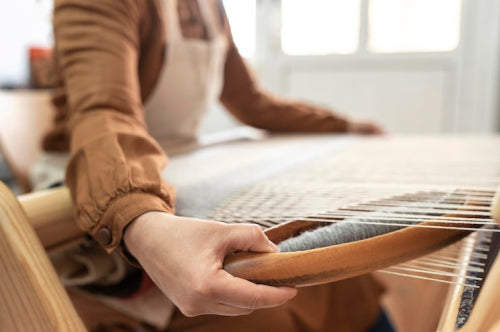
Yet practical solutions continue to emerge. Detailed artisan profiles, videos of the weaving process, close-up photography of texture and drape and clear fabric composition information help build confidence. Direct-to-consumer models that eliminate middlemen allow more value to reach the weavers while offering competitive pricing to buyers. Strong return policies and responsive customer service further reduce perceived risk.
Opportunities Ahead and the Path to 2030
Steady expansion of interest in authentic, low-impact textiles is widely anticipated across India and the primary international markets through the end of the decade. Younger consumers shaped by visual platforms such as Instagram, Facebook and YouTube place high value on provenance, ethical production and environmental responsibility.
Brands that invest in genuine artisan partnerships, compelling visual storytelling and consumer education about handloom's ecological and cultural benefits tend to build lasting loyalty. Digital tools that simulate tactile experience (high-resolution zoom, drape videos, fabric guides) continue to close the “can't touch it” gap that once limited online sales of handmade textiles.
A Quiet but Enduring Shift
The handloom revival ultimately represents far more than a change in fabric preference. It reflects a broader desire for intentional consumption, respect for human skill and support for livelihoods that might otherwise disappear. In 2026 the momentum feels less like a passing trend and more like a durable reorientation toward craftsmanship that is both beautiful and responsible one thoughtful thread at a time.
Frequently Asked Questions
Why is handloom weaving becoming popular again in 2026?
Handloom weaving is experiencing a global revival as consumers shift away from fast fashion toward sustainable, ethical alternatives. Shoppers are increasingly drawn to traditional Indian handloom fabrics linen, silk and cotton for their natural fibers, artisan craftsmanship and cultural authenticity. The slow fashion movement, combined with growing awareness of fast fashion's environmental impact, has made handwoven textiles a conscious and meaningful choice.
Where can I buy authentic Indian handloom textiles internationally?
Authentic Indian handloom textiles are available through platforms like IndieHaat, which connects conscious shoppers across the US, UK, Singapore, Australia and the UAE directly with artisans. Independent boutiques in cities like New York, London and Melbourne also carry curated handloom collections. When shopping online, look for detailed artisan profiles, weaving process videos and clear fabric composition information to ensure authenticity.
What are the most popular traditional Indian handloom weaves to know about?
Among the most celebrated Indian handloom traditions are *Ikat* from Odisha and *Pochampally* Ikat from Telangana, both known for their intricate dyeing and weaving techniques. These regional styles have seen renewed domestic and international interest, especially as global designers collaborate with Indian weavers to create limited-edition, contemporary collections. Government initiatives like the India Handloom Brand further support the visibility and market reach of these heritage crafts.
Disclaimer: The above helpful resources content contains personal opinions and experiences. The information provided is for general knowledge and does not constitute professional advice.
You may also be interested in: Artisans Drive Revival of Traditional Weaving Techniques
Fast fashion erodes cultural heritage, sidelining artisans and reducing traditions to trends. At IndieHaat, we champion India's craftspeople with handcrafted sarees, apparel, décor and skincare rooted in authenticity. Each piece embodies skill and ethical care. Support artisans and preserve India's timeless legacy Shop Now!
Powered by flareAI.co