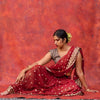
Natural Fibres Used in Indian Traditional Clothing

Natural fibres used in Indian traditional clothing reveal how fabric choices are closely connected with climate, craftsmanship, culture, and everyday life. Long before modern conversations around sustainable fashion emerged, communities across India developed textile traditions around materials that were locally available, comfortable to wear, and suitable for skilled handcrafting. From cotton garments designed for warm climates to silk textiles associated with ceremonial occasions, natural fibres have shaped the identity of Indian clothing for generations.
Today, interest in traditional fabrics is being renewed as consumers look beyond appearance and explore the story behind what they wear. Understanding the origins, qualities, and cultural importance of natural fibres helps explain why handwoven textiles and artisan-made garments continue to hold value. These materials represent more than fabric choices; they connect clothing with heritage, craftsmanship, and more thoughtful approaches to production.
Fast fashion erodes cultural heritage, sidelining artisans and reducing traditions to trends. At IndieHaat, we champion India's craftspeople with handcrafted sarees, apparel, décor, and skincare rooted in authenticity. Each piece embodies skill and ethical care. Support artisans and preserve India's timeless legacy Shop Now !
Why Natural Fibres Remain Important in Indian Traditional Clothing
Natural fibres have always played a central role in Indian textiles because they offer qualities that work well with traditional garment styles and regional weaving practices. Materials such as cotton, silk, jute, flax, and other plant-based fibres have been adapted by artisans through techniques developed over generations.comfort is one of the key reasons these fibres remain relevant. Natural materials often provide breathability and a distinctive feel that suits traditional clothing designed for different climates and occasions. The texture, fall, and durability of these fabrics also influence how garments are created, from everyday wear to special ceremonial pieces.
The relationship between fibre and craftsmanship is equally important. Handloom traditions rely on a deep understanding of material behaviour, including how threads respond to weaving, dyeing, and finishing methods. This connection between raw materials and artisan skills gives traditional clothing its unique character.
Modern sustainability conversations have also brought greater attention to these historic materials. India's eco-friendly textile initiatives highlight the growing importance of natural fibres, responsible production, and traditional textile knowledge in contemporary fashion discussions.
Cotton: the Everyday Fibre Behind Indian Textile Traditions
Cotton has been one of the most recognisable natural fibres in Indian clothing traditions. Its lightweight feel, comfort, and adaptability have made it a foundation for many regional textile practices. From simple daily garments to intricately woven fabrics, cotton has supported a wide range of clothing styles.
The versatility of cotton allows artisans to create fabrics with different textures and finishes. Handloom cotton textiles can range from fine and lightweight materials to more structured fabrics suitable for layered garments. This flexibility has helped cotton remain connected to both traditional clothing and contemporary fashion.
Cotton also reflects the importance of local knowledge in textile production. The cultivation, spinning, weaving, and finishing of cotton involve specialised skills that have been passed through generations. These processes contribute to the cultural identity of many textile communities.
For people exploring Indian traditional clothing fabrics, cotton represents a balance between practicality and heritage. It demonstrates how a simple natural fibre can become a meaningful expression of regional craftsmanship and design.
Silk: a Fibre Associated with Heritage and Craftsmanship
Silk holds a special place among natural fibres in Indian textiles because of its association with celebration, artistry, and traditional craftsmanship. Across different regions, silk has been transformed into garments known for their texture, shine, and intricate designs.
Silk weaving traditions often reflect the skills of artisan communities that specialise in detailed patterns, motifs, and finishing techniques. The fibre's natural qualities allow weavers to create fabrics that carry visual richness while preserving connections to cultural practices.
Traditional silk clothing is often linked with important occasions, but its significance extends beyond ceremonial use. It represents the relationship between material, craft, and storytelling. A silk garment can carry references to regional aesthetics, historical techniques, and the creative choices of the people who produce it.
The continued appreciation of silk demonstrates why natural fibres remain important in preserving textile heritage. They provide a foundation for craftsmanship while allowing traditional methods to remain relevant for modern audiences.
Other Natural Fibres Used in Indian Textiles
Although cotton and silk are among the most recognised materials, Indian textile traditions include a wider range of natural fibres. These materials reflect the diversity of landscapes, resources, and artisan practices found across the country.
Jute and Plant-based Fibres
Jute and other plant-based fibres have contributed to India's textile traditions through their distinctive textures and practical qualities. These fibres demonstrate how artisans have historically worked with available natural resources to create useful and durable materials.
Plant-based fibres also align with current interest in sustainable textile practices because they represent alternatives rooted in renewable resources. Their continued exploration connects traditional knowledge with modern conversations about responsible clothing choices.
Wool and Regional Textile Practices
Wool has an important role in traditional clothing, particularly in regions where warmer fabrics are needed. Its natural insulation properties make it suitable for textiles designed for cooler environments, while artisan techniques transform it into distinctive woven products.
Regional wool traditions show how natural fibres are closely connected to geography and community expertise. The same material can take different forms depending on local weaving methods, designs, and cultural preferences.
Linen, Flax, and Emerging Interest in Heritage Materials
Linen and flax-based materials are also gaining attention as people explore natural fabrics with a focus on comfort and sustainability. Their inclusion in textile conversations reflects a broader appreciation for fibres that combine traditional relevance with contemporary preferences.
The growing interest in diverse natural materials encourages a wider understanding of Indian textiles. Rather than viewing fabrics only as fashion choices, consumers are increasingly interested in the craftsmanship, resources, and cultural stories behind them.
How Natural Fibres Support Sustainable Textile Thinking
The renewed interest in natural fibres is closely connected with a broader shift towards more conscious approaches to clothing. Consumers are asking more questions about where garments come from, how they are made, and what values they represent.
Natural fibres offer an opportunity to explore fashion through the lens of material awareness. Fabrics created through traditional processes often involve specialised skills, careful production methods, and knowledge that has developed over time.
Sustainability in textiles is not only about choosing a particular material. It also involves understanding production methods, supporting skilled craftsmanship, and recognising the importance of preserving textile knowledge. Natural fibres and sustainable textiles are increasingly discussed together because they connect environmental considerations with the continuation of traditional practices.
For consumers interested in handcrafted clothing, learning about fibres can make the buying experience more meaningful. A garment's value comes not only from its appearance but also from the material choices and human expertise behind its creation.
The Role of Natural Fibres in Preserving Indian Textile Heritage
Traditional clothing is a reflection of knowledge built over generations. Natural fibres form the foundation of this heritage because they influence everything from weaving techniques to garment design. Preserving these materials also supports the continuation of artisan skills.
Many handcrafted textiles depend on a close relationship between makers and materials. Artisans understand how fibres behave, how colours interact with fabrics, and how traditional methods can bring out the qualities of each material. This expertise cannot be separated from the textile itself.
For modern audiences, natural-fibre clothing provides a way to engage with cultural traditions while making considered choices. It creates a connection between historical practices and present-day preferences for authenticity, craftsmanship, and responsible consumption.
Brands and marketplaces that focus on handcrafted products can help introduce these textile stories to wider audiences by highlighting the people, processes, and materials behind each creation. Education around natural fibres allows consumers to appreciate traditional clothing beyond trends and seasonal styles.
Choosing Traditional Clothing Through a Better Understanding of Fabrics
Understanding natural fibres makes it easier to appreciate why different traditional garments feel, look, and perform differently. Fabric choice influences comfort, appearance, maintenance, and the overall experience of wearing a garment.
When selecting traditional clothing, consumers can consider questions such as the fibre used, the craftsmanship involved, and the story connected to the textile. These considerations encourage a deeper relationship with clothing and support appreciation for artisan-made products.
The continued relevance of cotton, silk, wool, jute, flax, and other natural materials shows that traditional textiles can remain meaningful in modern wardrobes. Their importance comes from a combination of practical qualities, cultural significance, and the knowledge preserved through generations of makers.
Final Thoughts
Natural fibres used in Indian traditional clothing represent the connection between material, culture, and craftsmanship. Cotton, silk, wool, jute, flax, and other fibres have supported diverse textile traditions while continuing to inspire interest in sustainable and authentic fashion. Exploring these materials offers a deeper understanding of Indian clothing heritage and the artisan skills that keep these traditions alive. As consumers become more interested in meaningful and responsible choices, natural-fibre textiles provide a valuable link between the past and the future of clothing.
Frequently Asked Questions
What are the most common natural fibres used in Indian traditional clothing?
The most common natural fibres used in Indian traditional clothing include cotton, silk, wool, jute, flax, and other plant-based fibres. These materials have been used for generations because of their comfort, versatility, and connection to regional textile traditions.
Why are natural fibres important in Indian textiles and sustainable fashion?
Natural fibres in Indian textiles are important because they combine traditional craftsmanship with qualities such as breathability, durability, and comfort. They also support sustainable fashion thinking by encouraging awareness of materials, artisan skills, and responsible production practices.
How do cotton and silk contribute to Indian traditional clothing traditions?
Cotton and silk have played a significant role in Indian traditional clothing for centuries. Cotton is valued for its lightweight comfort and adaptability, while silk is recognised for its texture, elegance, and association with skilled weaving and cultural occasions.
Disclaimer: The above helpful resources content contains personal opinions and experiences. The information provided is for general knowledge and does not constitute professional advice.
You may also be interested in: Sarees Retain Cultural Relevance Across Generations
Fast fashion erodes cultural heritage, sidelining artisans and reducing traditions to trends. At IndieHaat, we champion India's craftspeople with handcrafted sarees, apparel, décor, and skincare rooted in authenticity. Each piece embodies skill and ethical care. Support artisans and preserve India's timeless legacy Shop Now !
Powered by flareAI.co