Indias Handmade Jewelry Finds Favor in Festive Markets
In the bustling alleys of Jaipur, the rhythmic tap of hammers shaping silver mingles with the murmur of artisans perfecting their craft. These vibrant markets, alive with color and tradition, are at the heart of a remarkable shift. India's handmade jewelry, rooted in centuries-old techniques, is captivating a global audience, particularly during festive seasons like Diwali and the wedding months. This isn't a passing fad it's a cultural renaissance, driven by a yearning for authenticity and craftsmanship. Platforms like IndieHaat are amplifying this movement, connecting artisans directly with buyers and redefining how India's handcrafted treasures reach the world.
The data underscores this surge. A 2024 IMARC Group report reveals that India's jewelry market reached $90.4 billion last year and is forecasted to climb to $150.1 billion by 2033, with a consistent 5.2% annual growth rate. While gold and precious stones dominate, handmade jewelry, meticulously crafted by skilled artisans, is claiming a growing share. Globally, the handmade jewelry market was valued at $151.5 billion in 2022 and is projected to hit $472.5 billion by 2032, boasting an 11.9% growth rate. The catalyst? A rising demand for unique, sustainable pieces that mass-produced alternatives can't match.
Reclaiming Cultural Heritage
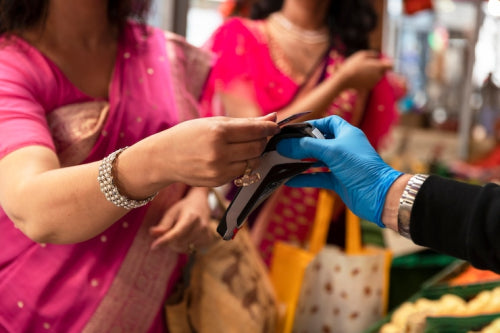
Step into an Indian festive market, and handmade jewelry commands attention. From Rajasthan's delicate filigree to Odisha's bold tribal motifs, these pieces are more than adornments they're narratives of heritage. Weddings, accounting for nearly half of India's jewelry consumption, drive much of this demand. Brides seek not just gold but legacy, commissioning artisans to create custom sets that fuse tradition with personal expression. A GlobeNewswire report projects the Indian gems and jewelry market to reach $168.62 billion by 2030, growing at 8.93% annually, fueled by rising incomes and the cultural significance of jewelry as a social and religious emblem.
Festivals like Diwali and Eid further amplify demand, with families purchasing jewelry as gifts and heirlooms. In Prayagraj, women artisans are innovating with Munj jewelry, crafted from local grass into intricate pieces for rituals like the Haldi ceremony. A Times of India report notes that self-help groups in the city are seeing a surge in online and offline orders for these sustainable designs. Trained by designers from the National Institute of Fashion Designing, these women have transformed a craft once confined to utilitarian items like baskets into wearable art, demonstrating that tradition can adapt while retaining its essence.
This revival extends beyond India's borders. Handmade jewelry is gaining traction in international markets, particularly during global festivities like Christmas and New Year's. Artisans in Rajasthan report increased orders for their gemstone-studded silver pieces, facilitated by platforms like IndieHaat that bridge local craftsmanship with global buyers.
The Artisan's Craftsmanship
The allure of handmade jewelry lies in its human element. Each piece, shaped through techniques like carving, soldering, and bending, carries the artisan's unique imprint. Unlike machine-made items, these creations often made from recycled metals are both durable and distinctive, as highlighted by Allied Market Research. In Rajasthan, silversmiths are experiencing a boom in demand for their bangles and necklaces, especially during festive seasons. Platforms like IndieHaat extend their reach, linking these artisans to customers in cities like Mumbai, London, and New York.
Beyond aesthetics, sustainability is a key driver. Artisans frequently use locally sourced, eco-friendly materials, resonating with the rise of ethical consumerism. A Mobility Foresights report emphasizes that consumers increasingly favor jewelry that supports fair trade and local communities. This shift is transformative for artisans, particularly women. In Prayagraj, Munj jewelry has become a source of economic empowerment for women in self-help groups, enabling financial independence through their craft.
Customization is another growing trend. Younger buyers seek pieces that reflect their individuality, prompting artisans to offer personalized designs that blend modern aesthetics with traditional motifs. The IMARC Group report underscores this demand for innovative, bespoke jewelry as a significant market force, reinforcing India's position as a leader in handcrafted artistry.
Navigating Market Challenges
Despite its promise, the handmade jewelry sector faces significant obstacles. Mass-produced jewelry, often more affordable and widely available, poses a formidable challenge. In Coimbatore, goldsmiths like M. Nataraj are grappling with this reality. A Times of India report details how soaring gold prices have crippled demand for handmade gold pieces, pushing many artisans out of the trade. Nataraj, who once produced 500 grams of jewelry weekly, now manages just 30 grams. “Our craftsmanship is unparalleled,” he laments, “but affordability often wins.”
Production constraints are another hurdle. The labor-intensive nature of handmade jewelry limits output, particularly during high-demand festive periods. Supply chain issues, such as delays in sourcing materials or shipping finished products, can frustrate buyers and disrupt sales. Additionally, while platforms like IndieHaat offer digital solutions, many artisans lack the technological expertise to fully leverage e-commerce, relying instead on competitive local markets.
Capitalizing on Opportunities
Yet, the opportunities are vast. E-commerce has revolutionized the industry, enabling artisans to bypass traditional intermediaries and reach global audiences. IndieHaat, for instance, curates collections that emphasize the cultural narratives behind each piece, appealing to buyers who prioritize authenticity. This digital transformation is critical for tapping into international markets, where Indian jewelry is increasingly sought after during global celebrations.
The rise of customization offers another avenue for growth. Artisans are crafting pieces that incorporate personal symbols or contemporary twists, aligning with consumer preferences for individuality. This trend, coupled with India's strong cultural branding where jewelry symbolizes heritage and pride positions the handmade sector for sustained expansion.
Festive markets provide a unique niche. The heightened demand during Diwali, weddings, and other celebrations allows artisans to target discerning buyers who value quality and craftsmanship. By leveraging these seasonal peaks, artisans and platforms like IndieHaat can maximize their impact and revenue.
A Bright Future
The outlook for India's handmade jewelry market is luminous. With consumers increasingly prioritizing unique, sustainable products, artisans are well-positioned to thrive, particularly during festive seasons. However, success requires adaptation. Artisans must embrace digital tools social media, e-commerce, and online marketing to broaden their reach. Platforms like IndieHaat can enhance their impact by investing in storytelling, showcasing the artisan's skills and the traditions embedded in each piece.
For consumers, the appeal is undeniable: handmade jewelry offers a tangible connection to culture, craftsmanship, and humanity. As festive seasons near, India's artisans are poised to dazzle, one meticulously crafted piece at a time. In an era of fleeting trends, their work stands as a testament to the enduring power of human creativity. The clink of hammers in Jaipur's markets is not just a sound it's a promise of a vibrant, handcrafted future.
Disclaimer: The above helpful resources content contains personal opinions and experiences. The information provided is for general knowledge and does not constitute professional advice.
You may also be interested in: Mother's Day Gift Guide 2025: Elegant Sarees & Suits from Indiehaat
Fast fashion erodes cultural heritage, sidelining artisans and reducing traditions to trends. At IndieHaat, we champion India's craftspeople with handcrafted sarees, apparel, décor, and skincare rooted in authenticity. Each piece embodies skill and ethical care. Support artisans and preserve India's timeless legacy Shop Now!
Powered by flareAI.co