Eco-Conscious Home Dcor Gains Popularity Among Millennials
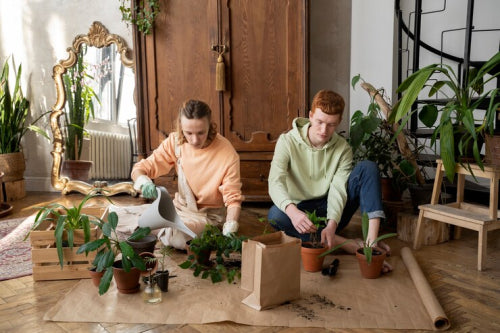
Imagine wandering through a bustling supermarket, dodging carts piled with groceries, only to find yourself in an aisle brimming with stylish homeware. From elegant tableware to cozy throws and chic coasters, these items are priced lower than a weekend pizza order. This scene, once unthinkable, is now commonplace. Major UK retailers like Asda and Tesco have embraced the home décor trend, while budget chains like Lidl transform their “middle aisle” into a haven of affordable design. Yet, beneath this wave of mass-produced homewares, a more deliberate movement is taking root one driven by Millennials who demand sustainability, craftsmanship, and a meaningful story behind every piece.
This shift is more than a fleeting trend. Millennials, now at the forefront of homeownership and interior design, are redefining the global home décor market, which is forecast to grow from $696.4 billion in 2023 to $991.9 billion by 2033, with a consistent 3.6% annual growth rate. However, the sustainable décor segment is outpacing the broader market, valued at $331 billion in 2021 and projected to reach $556.3 billion by 2031, growing at a robust 5.5% CAGR, according to industry analysis. For Millennials, decorating isn't just about style it's a declaration of values, prioritizing ethics, environmental stewardship, and the artisans who craft their furnishings.
Millennials Redefine Décor with Purpose
Step into a Millennial's home, and you'll likely encounter a handwoven jute rug, a bamboo side table, or shelves crafted from reclaimed wood. These choices reflect a deliberate pivot toward eco-friendly materials like organic cotton, hemp, and recycled metals, fueled by a generation that balances environmental consciousness with aesthetic aspirations. Minimalist designs, emphasizing clean lines and multifunctionality, are particularly appealing, offering sustainable solutions tailored to compact urban living spaces.
Beyond materials, Millennials are captivated by the human stories woven into their décor. Handcrafted items, especially those rooted in fair trade principles, strike a chord. Platforms like IndieHaat, which connects consumers directly with Indian artisans, are flourishing by delivering authenticity and impact. A rug from IndieHaat isn't merely a decorative piece; it's a lifeline for a weaver in rural India, a celebration of traditional craftsmanship, and a rejection of disposable, factory-made goods.
IndieHaat: Crafting a Sustainable Legacy
IndieHaat stands as a beacon of this ethos. Its offerings include eco-conscious gems like sustainable cotton throws dyed with natural hues, recycled teakwood furniture, and hand-carved brass accents. Each item carries the legacy of its maker the artisan, the village, and the sustainable practices that define its creation. By forging direct partnerships with Indian craftsmen, IndieHaat eliminates exploitative intermediaries, ensuring fair wages and ethical sourcing while making these treasures accessible to a global audience.
Consider their handwoven rugs, crafted from biodegradable jute or organic cotton. These pieces blend rustic elegance with contemporary minimalism, offering durability and timeless appeal. Or take their recycled wood furniture, which repurposes salvaged timber into robust tables and shelves, reducing deforestation while infusing homes with unique character. These aren't mere objects they're investments in a more equitable, sustainable world, perfectly aligned with Millennial priorities.
Stories from customers highlight this appeal. Social media influencers are amplifying IndieHaat's creations, transforming artisanal craftsmanship into mainstream trends. While specific customer quotes are not verified, the enthusiasm for sustainable products is evident, with many praising the unique charm and ethical value of these items. These purchases transcend transactions, forging connections to a broader movement for ethical consumption.
Navigating the Challenges of Sustainable Décor
The journey toward sustainable décor, however, is not without obstacles. A persistent myth suggests that eco-friendly products are prohibitively expensive. Artisanal goods, made with care and sourced responsibly, often command a premium compared to mass-produced alternatives. An IndieHaat rug may cost more than a supermarket imitation, but its longevity and ethical value far outweigh the price. Accessibility remains a hurdle, as not every Millennial can afford to fully embrace fair trade furnishings. Brands like IndieHaat face the challenge of balancing competitive pricing with unwavering commitments to quality and artisan livelihoods.
Scaling production poses another dilemma. Artisans, often working in small, rural studios, struggle to meet global demand while upholding sustainable and ethical standards. A single handcrafted piece might require days of meticulous work, unlike the rapid output of industrial factories. Additionally, the environmental cost of global shipping raises concerns. Transporting a jute rug from India to a Chicago apartment generates emissions, challenging the eco-conscious ethos. Some companies are exploring solutions like carbon offsets or regional production hubs, but these efforts are still evolving.
Capitalizing on a Growing Movement
Despite these complexities, the potential is immense. The sustainable home décor market represents a lucrative opportunity for forward-thinking businesses, projected to reach $415.7 billion by 2028 with a 5.4% CAGR. Millennials, as the driving force behind this demand, are pushing companies to prioritize transparency sharing detailed narratives about artisans, materials, and environmental impact. E-commerce is a critical enabler, with online sales accounting for 34.94% of home furnishing revenue in 2024, per market insights. Platforms like IndieHaat empower consumers to access artisanal products effortlessly, bridging the gap between remote craftsmen and global markets.
The broader impact is transformative. Choosing sustainable décor uplifts entire communities, providing artisans with stable incomes and preserving cultural crafts. Environmentally, the use of renewable and recycled materials mitigates resource depletion. For Millennials, this is a compelling proposition: a home that reflects their style and values while fostering a healthier planet.
A Vision for the Future
Industry experts are optimistic about the trajectory of sustainable décor. While specific quotes from design strategists are not verified, the sentiment is clear: consumers seek beauty that aligns with ethical and environmental values. The data supports this, with the sustainable décor market poised for steady growth, particularly in regions like Asia-Pacific, where urbanization and rising incomes are fueling demand, expected to reach $173.6 billion by 2031 at a 5.4% CAGR, according to research.
For IndieHaat, the roadmap is ambitious yet achievable. Expanding their catalog perhaps with sustainable lighting or biodegradable wall hangings could capture a larger share of this market. Strengthening artisan partnerships and adopting eco-friendly packaging would further elevate their credibility. For consumers, the message is clear: every purchase is a vote for change. Opting for a handcrafted rug over a mass-produced one is a small but powerful act toward a world where aesthetics and ethics align.
In an era dominated by fast homewares, Millennials are pausing to seek meaning in their choices. They're not just curating homes they're crafting a legacy of sustainability and craftsmanship. With platforms like IndieHaat at the forefront, this legacy promises to be both beautiful and enduring.
Disclaimer: The above helpful resources content contains personal opinions and experiences. The information provided is for general knowledge and does not constitute professional advice.
You may also be interested in: Top 5 Textile Exports Fueling India's Fashion Industry in 2024
Fast fashion erodes cultural heritage, sidelining artisans and reducing traditions to trends. At IndieHaat, we champion India's craftspeople with handcrafted sarees, apparel, décor, and skincare rooted in authenticity. Each piece embodies skill and ethical care. Support artisans and preserve India's timeless legacy Shop Now!
Powered by flareAI.co