Indian Ethnic Wear for Women: Trends to Watch in 2025
Quick Listen:
Picture a bustling market in Jaipur, where bolts of handwoven silk shimmer under the sun, each thread carrying centuries of tradition yet tailored for the modern woman. This vibrant scene encapsulates the state of Indian ethnic wear in 2025 a dynamic fusion of heritage and innovation. As the India women's apparel market surges from USD 93.20 billion in 2024 toward a projected USD 121.60 billion by 2033, with a 2.7% CAGR, ethnic wear remains a cornerstone, blending sustainability, craftsmanship, and bold new styles that captivate a global audience.
Indian Ethnic Wear for Women: Key Trends to Watch in 2025
India's ethnic wear market, valued at over ₹1.5 lakh crore in 2024, pulses with cultural richness and contemporary flair. Sarees, lehengas, salwar suits, and kurtas dominate, especially during festive seasons and weddings, but their evolution is striking. Sustainability is at the forefront, with a 50% surge in demand for eco-friendly fabrics like organic cotton, hemp, and Tencel, as reported by Global Growth Insights. These materials, once niche, now define collections that appeal to environmentally conscious consumers who refuse to compromise on style.
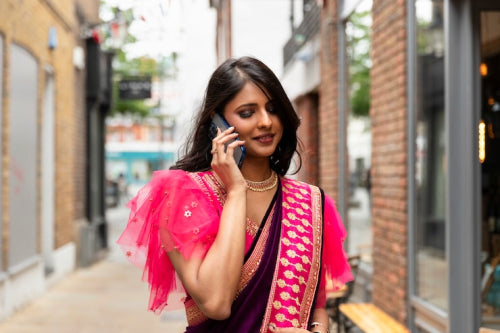
Fusion wear is reshaping the landscape. Picture a lehenga paired with a sleek, tailored blouse or a saree styled with a modern crop top. These hybrid designs, embraced by 50% of Gen Z, merge traditional elegance with contemporary edge, creating versatile looks for both festive and everyday wear. Designers like Anita Dongre are pioneering this trend, weaving handloom fabrics such as khadi into silhouettes that resonate with urban fashionistas. This blend of old and new reflects a cultural conversation, connecting India's storied past with its vibrant present.
The Resurgence of Handlooms and Heritage
The rhythmic clack of handlooms is echoing across India's fashion scene. Fabrics like ikat and khadi, rooted in centuries-old techniques, are experiencing a 40% rise in demand for artisan-crafted garments. This isn't just a trend it's a revival of cultural pride. Urban consumers, in particular, are drawn to the authenticity of handwoven sarees and kurtas, each piece a testament to skilled artisans. Platforms like IndieHaat, which champion handmade apparel, are at the vanguard, offering collections that marry ethical production with modern aesthetics.
Color trends are equally compelling. Earthy tones think terracotta and sage blend seamlessly with vibrant jewel shades like emerald and ruby, dominating festive collections. Pastels, once seasonal, now grace year-round wardrobes, offering a soft yet sophisticated charm. These palettes reflect a shift toward versatility, where ethnic wear transcends occasion-specific boundaries to become a daily expression of identity.
From Runway to Reality: Real-World Impact
IndieHaat's curated collections of handwoven lehengas and eco-conscious salwar suits exemplify how brands can balance tradition with innovation. Their focus on sustainable materials taps into the growing demand for ethical fashion, while their designs cater to modern tastes. Established names like Fabindia are also doubling down on local craftsmanship, promoting fair trade practices that empower artisans and preserve cultural heritage.
Regional differences add depth to this narrative. In urban centers like Delhi and Mumbai, minimalist sarees with subtle embroidery are gaining traction, while rural areas favor ornate lehengas for bridal and festive occasions. Bollywood's influence remains a powerful driver, with actresses showcasing chic peplum suits that blend tradition with glamour, as highlighted in Times of India's 2025 style guide. Festivals like Raksha Bandhan trigger a 60% spike in ethnic wear sales, underscoring the market's seasonal dynamism.
Navigating Challenges in a Competitive Market
Despite its vibrancy, the ethnic wear market faces significant hurdles. Sourcing sustainable fabrics like organic cotton or Tencel often complicates supply chains, increasing costs in a market where affordability is key. Brands like IndieHaat must navigate this delicate balance to keep eco-friendly apparel accessible. Market saturation poses another challenge. With e-commerce giants like Myntra, Amazon, and Flipkart expanding access to ethnic wear, differentiation demands more than aesthetics it requires a compelling narrative rooted in craftsmanship or sustainability.
Cultural sensitivity is critical. As fusion wear gains popularity, designers must ensure modern interpretations respect the cultural significance of traditional garments to avoid accusations of appropriation. This is especially relevant as the global ethnic wear market, valued at USD 84.10 billion in 2024, is projected to reach USD 122.88 billion by 2030 with a 6.52% CAGR, driven by global demand for authentic yet innovative designs.
Seizing Opportunities in a Digital Era
E-commerce is transforming the ethnic wear landscape, with a 35% surge in online sales making traditional garments more accessible worldwide. Platforms like Myntra and brand-owned websites are leveling the playing field, allowing smaller players like IndieHaat to reach global diaspora communities. Technology is enhancing the shopping experience, too 20% of consumers now use augmented reality try-on features to preview outfits, blending convenience with immersion.
Customization is another growth driver. With 45% of consumers favoring AI-driven tailoring, brands are offering bespoke options, from personalized embroidery to custom-fit lehengas. Collaborations between designers, textile producers, and sustainability advocates are creating ecosystems that prioritize creativity and ethics, positioning Indian ethnic wear as a global trendsetter.
A Vibrant Future for Indian Ethnic Wear
As India's ethnic wear market evolves, it stands at the intersection of tradition and transformation. The global market, valued at USD 80.2 billion in 2024, is set to soar to USD 159.45 billion by 2033 with an 8.1% CAGR, fueled by rising disposable incomes, urbanization, and Bollywood's enduring influence. Brands like IndieHaat are not merely selling garments; they're crafting stories of sustainability, craftsmanship, and cultural pride. From handwoven sarees to fusion lehengas, the future of ethnic wear is a vibrant tapestry one that honors its roots while embracing the possibilities of tomorrow. For consumers and creators alike, the message is clear: wear your heritage, but make it your own.
Frequently Asked Questions
What are the top ethnic wear trends for Indian women in 2025?
The key trends include sustainable fabrics like organic cotton and Tencel (with 50% surge in demand), fusion wear combining traditional and modern elements (embraced by 50% of Gen Z), and a revival of handloom fabrics like khadi and ikat with 40% increased demand. Color palettes feature earthy tones like terracotta blended with vibrant jewel shades, while pastels are becoming year-round staples rather than seasonal choices.
How is sustainability changing the Indian ethnic wear market in 2025?
Sustainability has become a major driver in India's ₹1.5 lakh crore ethnic wear market, with eco-friendly fabrics experiencing a 50% demand surge. Brands are focusing on handloom revival, fair trade practices, and artisan empowerment while balancing affordability with environmental consciousness. However, sourcing sustainable materials like organic cotton and Tencel often increases costs, creating challenges for brands trying to keep eco-friendly apparel accessible to consumers.
What is fusion ethnic wear and why is it popular among young Indian women?
Fusion ethnic wear combines traditional Indian garments with contemporary styling like pairing lehengas with tailored blouses or sarees with modern crop tops. This trend is embraced by 50% of Gen Z consumers who want versatile looks suitable for both festive occasions and everyday wear. Designers like Anita Dongre are leading this movement by incorporating handloom fabrics into urban-friendly silhouettes, creating pieces that connect India's cultural heritage with modern fashion sensibilities.
Disclaimer: The above helpful resources content contains personal opinions and experiences. The information provided is for general knowledge and does not constitute professional advice.
You may also be interested in: 14 Stunning Diwali Outfit Ideas for Women in 2024 | Traditional
Fast fashion erodes cultural heritage, sidelining artisans and reducing traditions to trends. At IndieHaat, we champion India's craftspeople with handcrafted sarees, apparel, décor, and skincare rooted in authenticity. Each piece embodies skill and ethical care. Support artisans and preserve India's timeless legacy Shop Now!
Powered by flareAI.co