Hybrid Fashion Styles Blend Tradition and Contemporary Elements Online
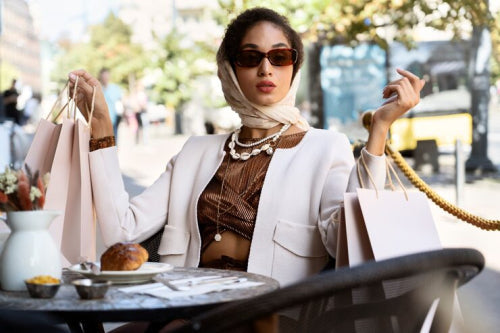
Quick Listen:
Picture a skilled artisan in a vibrant Mumbai atelier, meticulously guiding luminous silk threads through an ancient loom to create a saree destined for pairing with casual sneakers and a chic leather jacket on international catwalks. This encapsulates hybrid fashion an innovative fusion of India's profound textile legacy and modern design contours that's enthralling consumers worldwide. Digital marketplaces are revolutionizing access to these artisanal masterpieces, linking craftspeople with cosmopolitan millennials and overseas enthusiasts who seek genuine pieces infused with contemporary flair. The outcome is a transformative shift in apparel, equally dedicated to safeguarding cultural roots and pioneering new aesthetics.
Fast fashion erodes cultural heritage, sidelining artisans and reducing traditions to trends. At IndieHaat, we champion India's craftspeople with handcrafted sarees, apparel, décor, and skincare rooted in authenticity. Each piece embodies skill and ethical care. Support artisans and preserve India's timeless legacy Shop Now!
Hybrid Fashion: Tradition Meets Modernity
The global apparel industry, valued at an impressive 1.79 trillion dollars in 2024, exemplifies a highly dynamic and competitive economic powerhouse. This sector's landscape in that year reflected a compelling synergy among luxury conglomerates, fast-fashion pioneers, and athleisure disruptors, each redefining benchmarks of achievement. Metrics such as market capitalization, revenue streams, brand equity, and social media sway all play pivotal roles. As detailed in A deep dive into industry's top performers of 2024, luxury brands asserted dominance, with giants like LVMH, Hermès, and Dior at the forefront. LVMH, as the preeminent leader, attained a remarkable market capitalization of 321.6 billion dollars, per the FashionUnited Combined Top 200 Index, which aggregates the world's premier fashion entities by market value. Within this expansive arena, India's hybrid fashion segment is establishing a distinctive position. Craftspeople integrate age-old methods such as block printing, ikat weaving, and intricate embroidery into attire that seamlessly fits into diverse settings, from bustling Indian urban spots to sophisticated European venues.
Envision artisanal kurtas complemented by structured pants or elaborately adorned jackets layered atop denim these items transcend mere garments, fostering a conversation between ancestral artistry and present-day elegance, readily available via online channels. E-commerce's ascent has proven transformative. Platforms including Myntra, Ajio, and specialized artisan-focused sites have empowered modest-scale weavers and creators with unparalleled visibility. Previously confined to regional fairs, a meticulously crafted saree now attracts patrons from distant locales like Sydney or San Francisco. This online evolution is propelled by escalating demand for eco-conscious, distinctive apparel that narrates a heritage tale, a quality mass-produced fashion cannot duplicate.
The Momentum of Fusion Trends
Hybrid fashion's allure stems from its adaptability. Urban youth, especially Gen Z and millennials, propel the quest for versatile essentials that fluidly navigate between cultural ceremonies and casual outings. Consider a Banarasi silk skirt matched with a simple crop top or a bandhani scarf accenting a streamlined jumpsuit these ensembles command social media spotlights and holiday celebrations. Creators are crafting lines that amalgamate detailed handiwork with sleek, current profiles, yielding apparel that endures while feeling innovative.
Empirical evidence supports this surge. In 2025, India's apparel market is forecasted to expand from 120.36 billion dollars to 171.60 billion dollars by 2034, registering a compound annual growth rate that underscores robust momentum. Specifically for online segments, the fashion retail market in India is poised to surge by 36.01 billion dollars between 2025 and 2029, achieving a 22.2 percent CAGR. Social networks such as Instagram and Pinterest have intensified this evolution, with tags like #FusionFashion and #ModernEthnic generating widespread engagement and inspiring countless style interpretations. Artisans, formerly restricted to neighborhood sales, now ally with tech-savvy labels to produce assortments that appeal to youthful demographics prioritizing genuineness alongside flexibility. This trend not only revitalizes traditional crafts but also aligns with global sustainability goals, as consumers increasingly favor ethically sourced materials.
To further illustrate, the integration of technology in design processes allows for precise customization, enabling buyers to select patterns or colors that blend heritage motifs with personal tastes. This personalization enhances customer loyalty and positions hybrid fashion as a forward-thinking choice in a saturated market.
Success Narratives from Artisanal Hubs
Throughout India, cooperative groups and solo designers are flourishing within this fusion domain. Consider Chidiyaa, a Jaipur-anchored label that revitalizes block-printed kurtas through asymmetrical edges and updated forms. Their digital storefront attracts international orders, including from Canada, enticed by the harmonious merge of classic Rajasthani patterns and modern aesthetics. Likewise, Suta from Kolkata has cultivated a devoted audience for its plush mulmul sarees, adaptable as gowns or combined with jeans for universal charm. The brand's growth trajectory, marked by a reported 1200 percent expansion, underscores strategic acumen in leveraging online presence and consumer insights.
Overseas partnerships are accelerating too. In recent years, Indian artisan cooperatives have teamed up with platforms like Amazon Karigar and Etsy to introduce collections that reframe traditional weaves into innovative accessories, such as scarves transformed into versatile bags or wraps. These initiatives often achieve rapid sell-outs, affirming that cultural artifacts can integrate into worldwide closets when innovatively presented. Such alliances emphasize digital arenas as narrative conduits, empowering artisans to convey the profound meaning of their creations to a global viewership. For instance, Fabindia's collaboration with governmental bodies promotes crafts nationwide, enhancing visibility and economic viability for skilled workers.
Beyond these, emerging designers are experimenting with hybrid elements in bridal wear, incorporating metallic threads from ancient techniques into minimalist gowns, catering to a demographic that values cultural nods without excess.
Navigating the Hurdles of Integration
Nevertheless, hybrid fashion's trajectory encounters obstacles. Preserving authenticity amid evolution poses a primary concern; artisans must avoid eroding the core of ancestral methods when tailoring for current preferences. An ill-conceived blend might appear superficial, distancing purists and innovators alike. Pricing dynamics present another barrier. Labor-intensive handmade items, requiring extensive time, contend with fast fashion's economical offerings. While e-commerce broadens horizons, it also intensifies rivalry, where synthetic replicas can undermine authentic valuations.
Logistical complexities exacerbate matters. Independent artisans frequently lack robust systems to upscale for voluminous digital demands, resulting in bottlenecks or quality variances. Consumer awareness remains vital; many, particularly novices, overlook the premium attached to hand-stitched works versus mechanized alternatives. Labels must commit to narrative strategies via multimedia content or online dialogues to illuminate the expertise and lineage inherent in each creation. Addressing these requires collaborative efforts, including training programs and policy support to bolster artisan infrastructures.
Emerging Prospects and Strategic Implications
Amid challenges, vast potentials await. India's craft ecosystem is primed to penetrate an international arena eager for conscientious attire. Online avenues facilitate direct consumer interactions, circumventing intermediaries and boosting earnings. The proliferation of cooperatives optimizes manufacturing, enabling modest operations to consolidate assets and fulfill orders sans quality concessions.
Hybrid designs synchronize with pivotal buying occasions. Celebratory periods, matrimonial events, and worldwide gift exchanges provide ideal showcases for adaptable items like lehenga blouses with wide-leg trousers or ornate scarves serving as sophisticated accents. By adopting "contemporary heritage" branding, artisans cultivate resonance across local and foreign markets. Technological advancements unlock further avenues, from augmented reality fittings to algorithmic aids for fusion experimentation. Projections indicate the global apparel sector reaching 1.84 trillion dollars in 2025, with India's contributions amplified through such innovations.
Moreover, sustainability certifications and transparent sourcing can differentiate hybrid products, appealing to eco-aware shoppers and fostering long-term brand allegiance.
Weaving Heritage into Tomorrow
Hybrid fashion transcends fleeting styles; it represents a conduit linking India's illustrious history to its progressive horizon. Authorities in the field perceive it as a mechanism for cultural conservation alongside advancement. As designer Ritu Kumar aptly stated, "Modern fashion in India is inspired from tradition it's adding and modifying the fashion, and not replacing it." With technological progression, artisan's storytelling evolves encompassing interactive virtual galleries, traceable ledgers for authenticity, or immersive simulations inviting patrons into craft origins.
For craft enterprises, advancement hinges on harmonizing excellence with inclusivity. Clarity regarding techniques, resources, and creators fosters confidence. Transnational partnerships, such as with major online retailers, magnify exposure while elevating India's textile prominence globally. As the international clothing domain, pegged at 1.79 trillion dollars in 2024, advances into 2025 and beyond, India's hybrid offerings emerge as a luminous strand, interlacing legacy, ingenuity, and a collective aspiration for enduring progress.
Frequently Asked Questions
What is hybrid fashion and how does it blend traditional and modern styles?
Hybrid fashion is an innovative fusion of India's traditional textile heritage with contemporary design elements, creating versatile pieces that work across cultural settings. Examples include artisanal kurtas paired with structured pants, Banarasi silk skirts matched with crop tops, or bandhani scarves accenting streamlined jumpsuits. This approach allows craftspeople to integrate age-old techniques like block printing and ikat weaving into modern silhouettes that appeal to urban millennials and global consumers seeking authentic yet contemporary apparel.
How has e-commerce transformed the Indian hybrid fashion market?
E-commerce platforms like Myntra, Ajio, and specialized artisan-focused sites have revolutionized access to hybrid fashion by connecting traditional craftspeople directly with global consumers. Previously confined to regional fairs, handcrafted pieces now reach customers from Sydney to San Francisco, with India's online fashion retail market projected to surge by $36.01 billion between 2025 and 2029 at a 22.2% CAGR. This digital transformation has empowered small-scale weavers with unprecedented visibility while meeting growing demand for eco-conscious, distinctive apparel with heritage narratives.
What challenges do artisans face when creating hybrid fashion for online markets?
Artisans encounter several key challenges including maintaining authenticity while adapting traditional techniques for modern preferences, competing with fast fashion's economical pricing despite labor-intensive handmade processes, and managing logistical complexities when scaling up for digital demand. Many independent craftspeople lack robust systems to handle large online orders without quality variances, while consumer education remains crucial to help buyers understand the premium value of hand-stitched works versus machine-made alternatives.
Disclaimer: The above helpful resources content contains personal opinions and experiences. The information provided is for general knowledge and does not constitute professional advice.
You may also be interested in: 5 Unique Saree Draping Styles to Try for a Modern Look – Indiehaat
Fast fashion erodes cultural heritage, sidelining artisans and reducing traditions to trends. At IndieHaat, we champion India's craftspeople with handcrafted sarees, apparel, décor, and skincare rooted in authenticity. Each piece embodies skill and ethical care. Support artisans and preserve India's timeless legacy Shop Now!
Powered by flareAI.co