How Traditional Crafts Inspire Modern Design
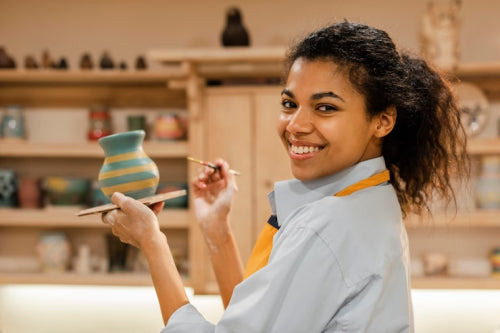
Picture this: you're pulling on a lightweight kurta, its fabric alive with hand-painted motifs drawn from ancient myths, crafted not by impersonal machines but by skilled artisans wielding bamboo pens and natural dyes. These designs, rooted in traditions spanning millennia, aren't confined to history books or museum displays. Instead, they're infiltrating everyday wardrobes, blending seamlessly with contemporary styles. As we explore how traditional crafts inspire modern design, it's clear that these age-old techniques are not merely surviving they're driving innovation in sustainability, aesthetics, and cultural expression.
Fast fashion erodes cultural heritage, sidelining artisans and reducing traditions to trends. At IndieHaat, we champion India's craftspeople with handcrafted sarees, apparel, décor, and skincare rooted in authenticity. Each piece embodies skill and ethical care. Support artisans and preserve India's timeless legacy Shop Now!
The Timeless Appeal of Traditional Crafts
In a world dominated by rapid production and digital precision, traditional crafts offer a counterpoint of authenticity and human touch. Take Kalamkari, an Indian art form over 3,000 years old originating from Andhra Pradesh. This technique involves hand-painting cotton fabrics with a bamboo kalam using dyes derived from plants, roots, and minerals. The result? Breathable, earth-toned pieces like kurtas, sarees, dupattas, and scarves that transition effortlessly from office meetings to casual gatherings. These items pair beautifully with Western attire, such as jeans or trousers, creating hybrid looks that honor heritage while embracing modernity.
What makes Kalamkari particularly inspiring for today's designers is its narrative depth. Historically used for temple hangings and storytelling scrolls, it now adorns wearable art that carries cultural stories into daily life. The irregular patterns and subtle imperfections hallmarks of handmade work add a unique character that mass-produced fabrics can't replicate. Designers are drawing from this, incorporating border motifs into minimalist dresses or reinterpreting floral elements in seasonal collections. This fusion not only preserves the craft but elevates it, making it relevant for eco-conscious consumers seeking pieces that last.
Beyond India, global crafts are fueling similar revivals. In Peru, artisans revive pre-Columbian ceramic methods like paleteo, combining them with modern throwing techniques to create contemporary vessels. Nigerian designers weave water hyacinth yarns into sustainable textiles, blending biomimicry with traditional Ebira and Akwete methods. In Japan, yakisugi fire-finishing wood inspires eco-friendly furniture, while Mongolian crafts revive knot-making with modern sustainability principles. These examples illustrate a worldwide movement where craftsmen integrate digital tools like 3D printing with ancient skills, ensuring cultural narratives endure in functional, innovative forms.adorno.design
Sustainability at the Core: Crafts vs. Fast Fashion
One of the most compelling ways traditional crafts influence modern design is through their inherent sustainability. Unlike fast fashion's synthetic materials and chemical-heavy processes, crafts like handloom weaving and block printing use organic cotton, vegetable dyes, and minimal water. These methods produce biodegradable garments that reduce environmental impact significantly. For instance, handcrafted items often involve small-batch production, cutting waste and pollution compared to industrial scales that contribute to landfills and waterway contamination.
This ethical edge extends to social benefits. Purchasing handmade pieces supports rural artisan communities, fostering fair trade and preserving family-passed skills. In regions like India, with over 744 handicraft clusters and 212,000 artisans, these practices bolster local economies and cultural heritage. Younger generations, particularly millennials and Gen Z, are drawn to this valuing authenticity over disposability. Studies show consumers increasingly seek meaningful, individualized goods that align with sustainable lifestyles.
The resurgence echoes the 19th-century Arts and Crafts movement, which rebelled against mechanization by emphasizing handmade quality and nature-inspired motifs. Today, amid AI and automation, designers like Heidi Caillier and Ben Pentreath incorporate woven fibers, embroidery, and botanical patterns into interiors, blending vintage with contemporary for a human-centered aesthetic. This revival prioritizes imperfection, turning it into a virtue that adds warmth and story to products.
Market Momentum: A Booming Industry
The economic impact underscores the growing influence of traditional crafts. According to recent analyses, the global handicrafts market was valued at USD 739.95 billion in 2024 and is expected to reach USD 983.12 billion by 2030, growing at a CAGR of 4.9%. Another projection estimates it at USD 1,107.67 billion in 2024, rising to USD 2,397.15 billion by 2032 with a 10.15% CAGR. A third source pegs the 2022 value at USD 704.7 billion, forecasting USD 1,376.12 billion by 2028 at 11.8% CAGR. These varying figures highlight robust expansion driven by demand for unique, eco-friendly products.
Regionally, Asia Pacific leads with a 34.81% share in 2024, thanks to powerhouses like India and China. North America follows, projected for the fastest growth, with the U.S. market reaching USD 627.86 billion by 2032. Product-wise, woodwork dominates at 26.71%, while glassware grows quickest at 7.5% CAGR. Distribution shifts toward online stores, expected at 6.1% CAGR, as e-commerce connects artisans globally.
Growth drivers include rising tourism, DIY trends, and sustainable tourism. Online platforms bridge rural creators with urban buyers, spotlighting items like handloom sarees and Kalamkari accessories. This accessibility fuels innovation, with designs evolving to cleaner lines and fusion elements that appeal worldwide.
Challenges and the Path Forward
Despite the momentum, hurdles remain. Scaling production without compromising quality, fluctuating raw material prices, and educating consumers on the value of slow fashion pose challenges. Post-COVID supply disruptions highlighted vulnerabilities, yet they also accelerated digital adoption.
Looking ahead, the dialogue between tradition and modernity strengthens. Designers worldwide are repurposing waste, like eggshells in Korean art or offcuts in Singaporean pieces, merging heritage with innovation. This not only sustains crafts but redefines design, emphasizing cultural sustainability and ethical practices.
Weaving the Future
Ultimately, traditional crafts like Kalamkari and global counterparts remind us that innovation thrives on roots. They offer designs that are comfortable, conscious, and culturally rich, blurring lines between past and present. As consumers choose these over fleeting trends, they invest in a system valuing people, planet, and artistry. In this ongoing evolution, the threads of history continue to shape tomorrow's aesthetics, proving that true design endures through human ingenuity.
Frequently Asked Questions
How do traditional crafts like Kalamkari influence modern fashion design?
Kalamkari, a 3,000-year-old Indian hand-painting technique using bamboo pens and natural dyes, inspires modern designers by blending heritage with contemporary aesthetics. Designers incorporate its narrative depth, border motifs, and floral elements into minimalist dresses, kurtas, and seasonal collections that pair with Western wear like jeans. The technique's handmade imperfections add unique character that mass-produced fabrics can't replicate, making it appealing to eco-conscious consumers seeking authentic, lasting pieces.
Why are traditional handicrafts more sustainable than fast fashion?
Traditional crafts use organic materials, vegetable dyes, and minimal water in small-batch production, creating biodegradable garments that significantly reduce environmental impact compared to fast fashion's chemical-heavy processes. These methods cut waste and pollution while supporting rural artisan communities through fair trade practices that preserve cultural heritage. Additionally, purchasing handmade pieces aligns with the growing consumer demand for meaningful, individualized goods over disposable trends.
What is the market growth projection for the global handicrafts industry?
The global handicrafts market is experiencing robust expansion, with estimates valuing it at USD 739.95 billion in 2024 and projecting growth to between USD 983.12 billion and USD 2,397.15 billion by 2030-2032, depending on the source. Asia Pacific leads with a 34.81% market share, while North America is projected for the fastest growth. This momentum is driven by rising demand for unique, eco-friendly products, sustainable tourism, and e-commerce platforms connecting artisans with global buyers.
Disclaimer: The above helpful resources content contains personal opinions and experiences. The information provided is for general knowledge and does not constitute professional advice.
You may also be interested in: Traditional Indian Fabrics Inspire Global Fashion Designers
Fast fashion erodes cultural heritage, sidelining artisans and reducing traditions to trends. At IndieHaat, we champion India's craftspeople with handcrafted sarees, apparel, décor, and skincare rooted in authenticity. Each piece embodies skill and ethical care. Support artisans and preserve India's timeless legacy Shop Now!
Powered by flareAI.co