How to Stitch Dress Material: DIY Tips for Beginners
Picture the soft hum of a sewing machine, the satisfying snip of scissors through crisp linen, and the quiet thrill of watching a flat piece of fabric transform into a dress that's yours alone. For beginners, stitching dress material at home can feel like stepping into uncharted territory, but it's a craft that's gaining momentum worldwide. The global sewing thread market, valued at USD 3.66 billion in 2024, is set to grow at a 2.7% CAGR through 2030, driven by demand for durable, high-quality threads in apparel and beyond. Inspired by Indiehaat's commitment to authentic, artisan-sourced fabrics like silk, cotton, and linen, this guide will walk you through the art of DIY dressmaking. Whether you're in India, the US, Singapore, Australia, the UK, or the UAE, here's how to turn raw material into a wardrobe masterpiece.
The Resurgence of DIY Dressmaking
Sewing your own clothes isn't just a hobby it's a movement. The sewing machine market, projected to reach USD 6.20 billion by 2030 with a 5.92% CAGR, reflects a global shift toward personalized, sustainable fashion. In regions like Asia Pacific, where textile exports dominate, and North America, where repairing clothes trumps replacing them, home sewing is thriving. Indiehaat taps into this by offering unique, handmade designs crafted from pure fabrics, appealing to those who value authenticity over mass production.
Yet, beginners often face hurdles: the perceived high cost of quality materials, doubts about online platform's trustworthiness, or the challenge of not feeling the fabric before buying. These concerns are real but surmountable. Indiehaat counters them with transparent sourcing from artisans and exclusive designs that stand out. Start small a simple dress can build your confidence and prove that the investment is worth it.
The appeal goes beyond aesthetics. Sewing lets you control your wardrobe's narrative, from fit to fabric. With the sewing thread market expected to hit USD 4.84 billion by 2034, growing at a 2.74% CAGR, it's clear that quality threads are key to durable creations. This growth stems from thread's critical role in ensuring garments last, whether you're stitching a silk saree or a cotton sundress.
Assembling Your Sewing Arsenal
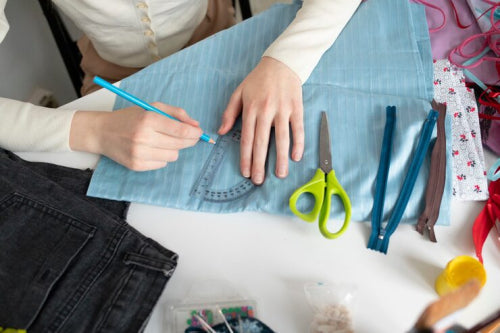
Before you stitch, gather your tools. A reliable sewing machine is your cornerstone. The sewing machines market, valued at USD 6.72 billion in 2025 and growing at a 2.8% CAGR, offers models with beginner-friendly features like automatic threading and adjustable speeds. Add sharp fabric scissors, a flexible measuring tape, straight pins, and a seam ripper for fixing slip-ups. Quality thread is non-negotiable advancements in thread production, as noted in industry reports, deliver flexibility and strength ideal for Indiehaat's pure linens and silks.
Choosing the right fabric is crucial. Cotton and linen, favored by Indiehaat for their authenticity, are forgiving for novices. Browse Instagram for inspiration artisans share vibrant examples of handmade dresses that spark creativity. A simple dress pattern, available online or at craft stores, will guide your cuts. For thread, opt for a color that blends with your fabric to keep seams subtle. If you're sourcing from Indiehaat, their focus on artisan-crafted materials ensures you're working with fabrics that feel as good as they look.
Don't skimp on preparation. Lay your fabric flat, pin the pattern securely, and cut with precision. A steady hand here saves headaches later. If you're new, practice threading your machine and stitching on scrap fabric to dial in the tension. This small step ensures your seams are smooth and your fabric doesn't pucker.
Stitching Your First Dress: Step by Step
Choose a beginner-friendly design like an A-line or shift dress simple shapes that don't demand complex tailoring. Indiehaat's linen fabrics, with their natural drape, are perfect for these styles. Start by pinning your pattern to the fabric, cutting carefully along the edges. Thread your machine with durable thread industry advancements ensure threads can handle the stress of daily wear, as the sewing thread market grows due to demand for high-performance materials.
Sewing requires patience. Begin with straight seams, following your pattern's guide. If you're unsure about fit, use basting stitches temporary, loose stitches you can easily remove to test the shape. Check out Instagram or Facebook for quick video tutorials; search #DIYSewing for real-time tips from global creators. If your machine jams or stitches look uneven, don't panic rethread and adjust the tension. Every seam is a lesson, and every mistake is fixable.
Once your seams are in place, press them flat with an iron for a polished look. Hem the edges, and try on your dress. Adjust as needed Indiehaat's pure fabrics hold up well to tweaking. The process might take a weekend, but the result is a garment that fits your body and your style.
Navigating Common Challenges
Beginners often stumble. Uneven seams, bunched fabric, or a wobbly needle can frustrate even the eager. The sewing supplies market, valued at USD 15 billion, offers solutions like seam guides or specialty presser feet to keep your stitches straight. High material costs? Start with a small project, like a skirt, to justify the expense. Trust concerns? Indiehaat's direct-from-artisan model, showcased on YouTube, provides transparency about fabric origins.
The inability to touch fabrics online is a valid worry. Lean on detailed product descriptions and visuals Indiehaat's Instagram posts often include close-ups of textures. Request a fabric swatch if possible, or start with a small order to test quality. Mistakes, like a crooked hem, are part of the learning curve. A seam ripper and a deep breath will set you right.
Infusing Your Style
The magic of DIY dressmaking lies in personalization. Indiehaat's unique designs, rooted in artisan craftsmanship, invite you to experiment. Add hand-stitched embroidery for a bohemian touch or mix fabrics a silk bodice with a cotton skirt, for example. Modern sewing machines, with a market growing at 5.92% CAGR, often include decorative stitches to elevate your work. Follow creators on Instagram for ideas on blending traditional motifs with modern flair.
Take your time. The maker movement, especially vibrant in the Middle East and Africa, celebrates slow, intentional crafting. Your dress doesn't need perfection it needs your vision. Try a bold trim or a unique button placement to make it unmistakably yours.
Stitching a Sustainable Future
Sewing your own dress is a quiet act of defiance against disposable fashion. With the sewing machines market set to reach USD 6.91 billion by 2033, and DIY crafts surging, this is a craft with staying power. Indiehaat's focus on authentic, artisan-sourced fabrics linen, silk, cotton reminds us that every garment carries a story of skill and heritage. As you finish your dress, you're not just sewing fabric; you're weaving your creativity into something tangible. In a world of fleeting trends, that's powerful. So pick up your needle, choose a fabric that speaks to you, and start stitching. Your wardrobe, and the planet, will thank you.
Frequently Asked Questions
What basic tools do I need to start stitching dress material at home as a beginner?
To begin stitching dress material, you'll need a reliable sewing machine with beginner-friendly features like automatic threading, sharp fabric scissors, a flexible measuring tape, straight pins, and a seam ripper for corrections. Quality thread is essential choose colors that blend with your fabric to keep seams subtle. Start with forgiving fabrics like cotton or linen, which are ideal for novice sewers and offer natural drape for simple dress styles.
Which dress styles are best for beginners learning to sew their own clothes?
Beginner-friendly dress styles include A-line and shift dresses, as these simple shapes don't require complex tailoring techniques. These designs work particularly well with natural fabrics like linen and cotton, which have good drape and are forgiving to work with. Start with basic patterns available online or at craft stores, and practice with straight seams before attempting more complicated designs.
How can I avoid common sewing mistakes when making my first dress?
To prevent common beginner mistakes, always lay fabric flat, pin patterns securely, and cut with precision. Practice threading your machine and test stitching on scrap fabric to adjust tension before starting your project. Use basting stitches (temporary, loose stitches) to test fit before making permanent seams. If you encounter uneven seams or bunched fabric, rethread your machine and adjust the tension remember that every mistake is fixable with patience and a seam ripper.
Disclaimer: The above helpful resources content contains personal opinions and experiences. The information provided is for general knowledge and does not constitute professional advice.
You may also be interested in: From Cotton to T-Shirt: The Step-by-Step Journey of Fabric
Fast fashion erodes cultural heritage, sidelining artisans and reducing traditions to trends. At IndieHaat, we champion India's craftspeople with handcrafted sarees, apparel, décor, and skincare rooted in authenticity. Each piece embodies skill and ethical care. Support artisans and preserve India's timeless legacy Shop Now!
Powered by flareAI.co