Block Printing Techniques: From Rajasthan to Runway
Under the relentless Rajasthan sun, artisans in Bagru's narrow alleys carve wooden blocks with patterns older than memory itself. The steady thump of block on fabric a sound as rhythmic as a heartbeat fills workshops where the Chhipa community breathes life into linen, silk, and cotton. This is block printing, a craft over 400 years old, now weaving its way from Rajasthan's dusty villages to the world's most glamorous runways. IndieHaat, a platform championing authentic, handmade textiles, is carrying this ancient art to discerning buyers in India, the US, Singapore, Australia, the UK, and the UAE, proving that tradition can shine in a modern world.
Block Printing Techniques
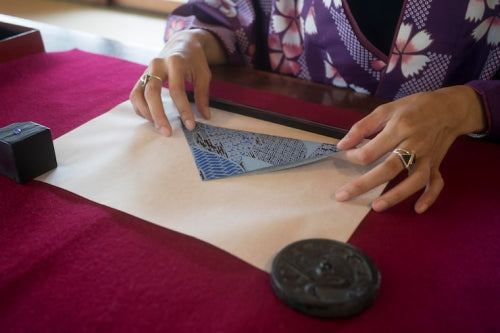
Block printing is both art and alchemy. In towns like Bagru and Sanganer, artisans hand-carve intricate wooden blocks, dip them in natural dyes like indigo or madder, and press them onto pure fabrics. According to a detailed entry on Bagru print, this tradition, rooted in Rajasthan's Chhipa community, has defined the region's textile legacy for centuries. Each piece whether a flowing saree or a crisp linen shirt bears the mark of human hands, a stark contrast to the uniformity of factory-made goods. IndieHaat's mission is to preserve this authenticity, sourcing directly from artisans to deliver unique designs to global markets, where consumers crave craftsmanship over mass production.
The platform's reach spans key regions where demand for artisanal textiles is surging. From Singapore's eco-conscious shoppers to Australia's style-savvy millennials, IndieHaat's curated collections of silk scarves and cotton kurtas resonate deeply. Social media amplifies this connection artisans like those behind Instagram accounts svishala74 and drminimalhotra showcase their work, drawing followers into the world of block printing through vibrant visuals and stories of craft.
A Global Fashion Renaissance
The global printed textile market, valued at USD 146.5 billion in 2018, is on track to grow at a robust 8.9% CAGR, driven by demand in regions like the Asia Pacific and the Middle East. Consumers, particularly millennials in the US, are gravitating toward unique, high-quality clothing, fueled by rising disposable incomes and easy access to e-commerce. Block printing fits this trend perfectly, offering vibrant, durable patterns that bond deeply with fibers, resisting wear and washing. This durability, paired with the craft's eco-friendly ethos, makes it a darling of sustainable fashion.
High-end designers are taking note. From Paris to New York, block-printed textiles have graced runways, their intricate motifs standing out in a sea of minimalist designs. Luxury brands collaborate with Rajasthan artisans, blending traditional patterns with modern silhouettes. IndieHaat plays a pivotal role here, bridging artisans with global designers to create collections that honor heritage while embracing contemporary flair. On platforms like Instagram, Facebook, and YouTube, the platform's artisans share glimpses of their process, building a loyal following among consumers who see these textiles as both fashion and a stand against fast fashion's environmental havoc.
Tradition Meets Innovation
At its heart, block printing is a painstaking process. Consider Dabu printing, a resist technique from Rajasthan where artisans apply a mud paste of black clay, lime, and wheat chaff to fabric before dyeing it with natural indigo. The result is a fabric rich with complex, layered patterns that carry cultural weight. This method, practiced by the Chhipa community, has endured economic shifts and environmental challenges, remaining a symbol of Rajasthan's heritage. Yet, the craft is evolving. As noted in a 2025-2030 market forecast, digital printing is gaining ground, especially in China's Yangtze River Delta, where inkjet technology offers precision and eco-friendly efficiency. In Rajasthan, artisans are blending these innovations with traditional methods, using sustainable dyes to meet modern demands without losing the craft's soul.
IndieHaat champions this balance. Its artisans prioritize authentic techniques but experiment with eco-friendly dyes and hybrid printing methods to appeal to sustainability-focused markets. This adaptability ensures block printing remains relevant, meeting the needs of buyers who value both heritage and environmental responsibility. The platform's focus on pure fabrics linen, silk, and cotton further enhances its appeal, offering tactile luxury that resonates across its target regions.
Navigating Challenges
Scaling block printing is no small feat. IndieHaat's artisans face three key objections from prospects: high pricing, trust deficits, and the inability to touch and feel products online. Handmade textiles, crafted over days or weeks, command premium prices, which can deter budget-conscious shoppers in competitive markets like the UK or US. Building trust is another hurdle buyers in Singapore or the UAE often hesitate, unsure if online purchases will match the promised quality. The tactile nature of textiles adds complexity; no screen can fully capture the softness of linen or the sheen of silk.
Sustainability poses its own challenges. While block printing's use of natural dyes aligns with eco-friendly values, scaling production risks straining resources like water and raw materials. The global textile printing market, projected to hit 37 billion square meters by 2030 with a 4.6% CAGR, sees digital printing growing at a brisk 13.3% CAGR. Artisans must balance this demand with the craft's environmental ethos. IndieHaat addresses this by prioritizing small-batch production and transparent sourcing, ensuring authenticity without compromising sustainability.
Empowering Artisans, Shaping Markets
The resurgence of block printing is a lifeline for Rajasthan's artisans. In a region where economic opportunities are often limited, the craft provides stable income, particularly for women who dominate many workshops. IndieHaat's direct-to-artisan model ensures fair wages, empowering communities while delivering authentic products to global markets. The textile printing market, expected to reach USD 7.2 billion by 2030, reflects this growing appetite for handcrafted goods, with a 4.46% CAGR driven by e-commerce and fast fashion's demand for customization.
Sustainable fashion is a powerful ally. Consumers in IndieHaat's target regions India, the US, Australia, and beyond are increasingly willing to pay for ethically made products. Block printing's use of natural fibers and dyes positions it as a leader in this movement, offering a compelling alternative to fast fashion. Social media platforms like Instagram and YouTube amplify this story, with artisans sharing behind-the-scenes videos that build trust and showcase the craft's authenticity, turning followers into loyal customers.
A Craft That Endures
Block printing is more than a technique; it's a testament to human creativity and resilience. From the workshops of Sanganer, where the craft is celebrated as a heritage craft for its intricate detailing, to the global stage, it bridges centuries and continents. IndieHaat is at the heart of this revival, connecting artisans with a world hungry for authenticity. By blending tradition with innovation think eco-friendly dyes and small-batch production the platform ensures block printing thrives in a modern market.
As the craft evolves, its future looks bright. Designers are reimagining block-printed textiles for haute couture, while artisans experiment with new techniques to meet global demand. For the Chhipa community, this is a moment of pride and possibility. Each block-printed piece whether a silk scarf or a cotton dress carries Rajasthan's spirit, handcrafted with care and ready to dazzle the world. IndieHaat's vision ensures that this ancient art isn't just preserved but celebrated, from the villages of Rajasthan to the runways of tomorrow.
Frequently Asked Questions
What is block printing and how is it different from modern textile printing methods?
Block printing is a traditional hand-printing technique where artisans hand-carve intricate wooden blocks, dip them in natural dyes like indigo or madder, and press them onto pure fabrics like cotton, silk, and linen. Unlike machine-made textiles, each block-printed piece bears the unique mark of human craftsmanship, offering vibrant, durable patterns that bond deeply with fibers and resist wear and washing. This 400-year-old craft from Rajasthan's Chhipa community creates authentic, sustainable textiles that stand in stark contrast to the uniformity of factory-made goods.
Why are block printed textiles more expensive than regular printed fabrics?
Block printed textiles command premium prices because they are handcrafted over days or weeks using traditional techniques passed down through generations. Each piece involves hand-carved wooden blocks, natural dyes, and pure fabrics like silk and linen, making them labor-intensive luxury items. The high pricing also reflects the fair wages paid to artisans in Rajasthan's villages, the use of eco-friendly natural dyes, and the unique, authentic designs that cannot be replicated by mass production methods.
How is traditional block printing adapting to modern sustainable fashion trends?
Traditional block printing is perfectly positioned for the sustainable fashion movement due to its use of natural fibers, eco-friendly dyes, and resist techniques like Dabu printing that minimize environmental impact. Artisans are now blending traditional methods with innovations like sustainable dyes and small-batch production to meet modern demands without losing the craft's authenticity. As the global printed textile market grows at 8.9% CAGR, block printing offers consumers an ethical alternative to fast fashion, with luxury brands increasingly collaborating with Rajasthan artisans to create collections that honor heritage while embracing contemporary design.
Disclaimer: The above helpful resources content contains personal opinions and experiences. The information provided is for general knowledge and does not constitute professional advice.
You may also be interested in: Traditional Indian Dresses Inspire Modern Fashion at Lakm Fashion
Fast fashion erodes cultural heritage, sidelining artisans and reducing traditions to trends. At IndieHaat, we champion India's craftspeople with handcrafted sarees, apparel, décor, and skincare rooted in authenticity. Each piece embodies skill and ethical care. Support artisans and preserve India's timeless legacy Shop Now!
Powered by flareAI.co