How to Choose Artisan Clothing for Everyday Wear
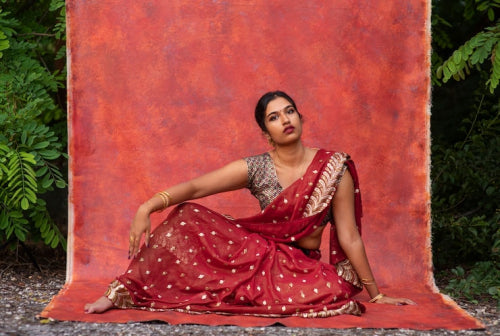
Choosing artisan clothing for everyday wear requires more than finding a garment with a handmade label. The right piece should fit naturally into daily routines while offering comfort, durability, craftsmanship, and a connection to the people and traditions behind its creation. As shoppers become more thoughtful about what they wear, factors such as fabric quality, versatility, production methods, and long-term value are becoming central to clothing decisions. Artisan garments can offer a meaningful alternative to disposable fashion when selected with care, helping buyers build wardrobes that reflect personal style while appreciating skilled craftsmanship.
Fast fashion erodes cultural heritage, sidelining artisans and reducing traditions to trends. At IndieHaat, we champion India's craftspeople with handcrafted sarees, apparel, décor, and skincare rooted in authenticity. Each piece embodies skill and ethical care. Support artisans and preserve India's timeless legacy Shop Now!
Understand What Makes Artisan Clothing Different
Artisan clothing is shaped by human skill, traditional techniques, and careful attention to detail. Unlike mass-produced garments designed around speed and scale, handmade pieces often reflect the knowledge of craftspeople who have developed specialised methods over time. This can include weaving, embroidery, dyeing, printing, stitching, or other textile practices that give each garment its distinct character.
When considering how to choose artisan clothing, it is important to look beyond visual appeal. A beautifully designed piece should also meet practical needs. Everyday clothing has to work with your lifestyle, whether that means commuting, attending casual gatherings, working from home, or moving between different occasions throughout the day.
Consumers are also paying closer attention to the story behind their clothing. Conversations around sustainable fashion priorities have encouraged shoppers to think about durability, transparency, and the value of buying pieces that can be worn repeatedly rather than replaced quickly.
Choose Fabrics That Support Everyday Comfort
The fabric is one of the most important considerations when selecting artisan clothing for everyday wear. A garment may have exceptional craftsmanship, but the material determines how comfortable, practical, and adaptable it will be over time.
Natural and breathable fabrics are often preferred for daily clothing because they can provide comfort across different routines and seasons. When exploring the best fabrics for artisan clothing, consider how the material feels against the skin, how it responds to washing, and whether it suits your regular activities.
Questions to Ask Before Choosing a Fabric
- Does the fabric feel comfortable for extended wear?
- Will it require specialised care or maintenance?
- Can it be styled in multiple ways with existing wardrobe pieces?
- Does the fabric maintain its appearance after repeated use?
Everyday clothing should balance beauty and function. A lightweight handcrafted garment may work well for regular outings, while a more detailed piece may be better suited for occasions where its craftsmanship can be appreciated. Understanding the purpose of the garment helps shoppers make choices that provide lasting value.
Evaluate Craftsmanship and Production Details
Craftsmanship is what gives artisan clothing its identity. Small details such as stitching quality, finishing, pattern consistency, and construction methods can reveal the care involved in creating a garment.
A handmade clothing buying guide should encourage shoppers to examine how a piece is made rather than focusing only on appearance. Look for thoughtful construction, reliable finishing, and information about the techniques used. These details help distinguish carefully created garments from items that simply imitate handmade aesthetics.
Understanding the maker's approach also adds context to the purchase. Artisan clothing often represents generations of textile knowledge, regional techniques, and creative practices connected to specific communities. Responsible fashion discussions increasingly highlight the importance of recognising the people and skills behind these products rather than treating cultural craftsmanship as a decorative element.
When evaluating artisan garments, shoppers can consider factors such as the materials used, the production process, and the relationship between brands and craftspeople. Ethical artisan partnerships can help create stronger connections between consumers, makers, and traditional techniques.
Select Versatile Pieces for a Practical Wardrobe
One of the biggest advantages of artisan clothing for everyday wear is its ability to bring individuality into a practical wardrobe. The most useful pieces are those that can be styled in different ways and adapted to multiple occasions.
When learning how to style handmade clothing daily, focus on versatility. A handcrafted kurta, dress, blouse, or layered piece can often be paired with existing wardrobe staples to create different looks without requiring a complete wardrobe change.
Ways to Build a Versatile Artisan Wardrobe
- Choose silhouettes that work for both casual and semi-formal settings.
- Select colours and patterns that complement pieces you already own.
- Prioritise comfort alongside visual appeal.
- Invest in garments that can be worn across different seasons and occasions.
A thoughtful approach to clothing encourages fewer, more meaningful purchases. Instead of selecting pieces based only on short-term trends, shoppers can build collections around garments they genuinely enjoy wearing.
Consider Sustainability Beyond the Handmade Label
Handmade clothing is often associated with sustainable choices, but responsible buying requires looking at the complete picture. A garment being artisan-made does not automatically determine how practical, durable, or suitable it will be for long-term use.
Sustainable everyday wear depends on choices made throughout the ownership journey. Buyers should consider whether a garment fits their lifestyle, whether they will wear it regularly, and whether they can maintain it properly. A well-loved piece that remains part of a wardrobe for years can have more value than an item purchased but rarely worn.
Shoppers can also look for transparency around materials, craftsmanship, and the people involved in production. This approach supports a more thoughtful relationship with clothing by recognising the effort behind each piece and encouraging appreciation for skilled work.
For those exploring tips for choosing handcrafted apparel, the key is to balance personal style with practical considerations. Sustainable choices are often created through small decisions: selecting quality over quantity, caring for garments properly, and choosing pieces with genuine purpose.
Match Artisan Clothing with Your Personal Style
Artisan clothing works best when it feels authentic to the wearer. Traditional techniques and handmade details can add character to everyday outfits, but the garment should still reflect individual preferences and routines.
Consider the styles, colours, and forms you naturally reach for when getting dressed. A piece that aligns with your existing wardrobe is more likely to become a regular favourite rather than an occasional purchase.
Personal style also allows shoppers to appreciate craftsmanship in a modern context. Traditional textile methods can be incorporated into contemporary wardrobes through simple styling choices, creating outfits that feel both connected to heritage and suitable for everyday life.
The growing interest in meaningful fashion reflects a shift toward clothing choices that combine aesthetics with intention. Artisan garments can support this approach by offering pieces where design, skill, and cultural knowledge come together.
Build a More Thoughtful Everyday Wardrobe
Choosing artisan clothing for daily use is about finding the balance between craftsmanship and practicality. The most successful purchases are not necessarily the most elaborate ones; they are the pieces that fit comfortably into everyday life while offering quality, character, and a deeper connection to the people who created them.
By considering fabric, construction, versatility, and the story behind each garment, shoppers can make more informed decisions. A well-chosen artisan piece can become more than an item of clothing it can represent appreciation for skilled craftsmanship, responsible consumption, and personal expression.
Frequently Asked Questions
How do I choose artisan clothing for everyday wear?
Choose artisan clothing by considering fabric comfort, craftsmanship, durability, and how well the piece fits your daily lifestyle. Look for garments that combine handmade details with practical features such as easy styling, quality construction, and long-term wearability.
What fabrics are best for artisan clothing used daily?
The best fabrics for artisan clothing are those that feel comfortable, suit your routine, and maintain their quality with regular use. Consider factors such as breathability, care requirements, texture, and how easily the fabric can be styled with your existing wardrobe.
How can I style handmade clothing for everyday use?
You can style handmade clothing daily by choosing versatile pieces that work with your existing wardrobe and different occasions. Pair artisan garments with simple accessories, complementary colours, and practical layers to create comfortable outfits that highlight their craftsmanship.
Disclaimer: The above helpful resources content contains personal opinions and experiences. The information provided is for general knowledge and does not constitute professional advice.
You may also be interested in: Contemporary Indian Fashion Inspired by Heritage Textiles
Fast fashion erodes cultural heritage, sidelining artisans and reducing traditions to trends. At IndieHaat, we champion India's craftspeople with handcrafted sarees, apparel, décor, and skincare rooted in authenticity. Each piece embodies skill and ethical care. Support artisans and preserve India's timeless legacy Shop Now!
Powered by flareAI.co