How Handloom Weavers in India Are Adapting to Changing Fashion Trends
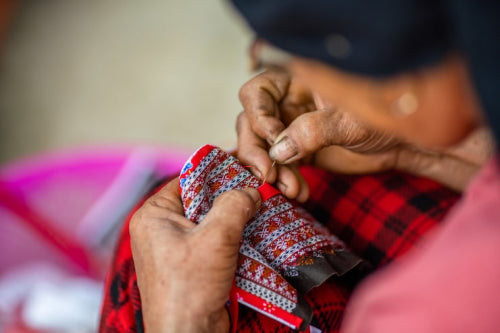
In the quiet villages of India, the steady rhythm of handlooms echoes a legacy that stretches back to the Indus Valley Civilization. These looms, operated by skilled artisans, produce textiles that are not just fabric but vessels of cultural heritage. Today, as global fashion pivots toward sustainability, India's handloom weavers are redefining their craft to meet modern demands. Platforms like IndieHaat are pivotal in this transformation, connecting artisans to markets in India, the US, Singapore, Australia, UK, and UAE, and positioning handwoven textiles as emblems of eco-conscious style.
Fast fashion erodes cultural heritage, sidelining artisans and reducing traditions to trends. At IndieHaat, we champion India's craftspeople with handcrafted sarees, apparel, décor, and skincare rooted in authenticity. Each piece embodies skill and ethical care. Support artisans and preserve India's timeless legacy Shop Now!
A Craft Rooted in Heritage, Evolving for Today
India's handloom industry is a cornerstone of its cultural and economic fabric. According to a report on handloom challenges, the sector supports over 3.6 million weavers and allied workers as of March 2025, with 72% being rural women who preserve ancient techniques. Yet, the industry has faced significant challenges: the number of weavers fell from 4.3 million in 1995 to 2.6 million by 2020, driven by low wages and competition from mechanized looms. Despite this, the market is experiencing a renaissance. A market analysis by Deep Market Insights reveals that India's handloom sector was valued at $358.2 million in 2024, projected to grow to $779.71 million by 2033 at a 9.03% CAGR. Sarees lead in market share, while dress materials are the fastest-growing segment, signaling a shift in consumer preferences toward versatile, modern designs.
This resurgence is driven by a global demand for sustainable fashion, where IndieHaat plays a crucial role. By offering handcrafted textiles made from authentic linen, silk, and cotton, the platform caters to eco-conscious consumers who value unique designs over mass-produced alternatives. From reimagined Banarasi sarees styled as contemporary dresses to minimalist kurtas for urban professionals, weavers are adapting traditional methods to align with modern aesthetics, ensuring their craft remains relevant.
Sustainability as a Market Driver
The global rise of sustainable fashion has positioned handloom textiles as a compelling alternative to industrial fabrics. In markets like the US, UK, and UAE, consumers prioritize products that align with environmental and ethical values. Handwoven textiles, produced with minimal energy compared to factory-made fabrics, offer a low-carbon footprint. IndieHaat's commitment to pure fabrics sourced directly from artisans resonates with buyers seeking authenticity over the transient trends of fast fashion. This focus addresses common objections, such as high pricing, by emphasizing the value of craftsmanship and sustainability.
Digital platforms are revolutionizing access for artisans. Once confined to local markets, weavers now use Instagram, Facebook, and YouTube to showcase their work, channels that IndieHaat leverages to reach its global audience. For example, artisans like those behind anilarubyraj's vibrant sarees or varshaoak's modern designs style their textiles for diverse settings, from corporate offices to casual outings. These platforms enable weavers to respond to consumer preferences, whether for bold, traditional patterns or sleek, minimalist aesthetics, bridging rural craftsmanship with global demand.
Innovation in Action
Weavers across India are embracing innovation to stay competitive. In Gujarat, craft clusters blend traditional Bandhani techniques with modern silhouettes, creating fusion wear that appeals to younger buyers. In Odisha, a government report from Times of India highlights that 34,538 weavers and 16,210 artisans have benefited from schemes over the past five years, with 71% of weavers being women. Nationally, 644,985 weavers and 510,320 artisans have received support through programs like the National Handloom Development Programme, enabling them to innovate in design and marketing. IndieHaat partners with these artisans, providing a global platform to showcase their evolving creations.
International collaborations are further elevating Indian handloom. Designers in the US and UK are working with Indian weavers to create collections that fuse traditional motifs with Western styles. A handwoven silk scarf from Varanasi, for instance, might become a statement piece in a Singapore boutique. IndieHaat's curated marketplace ensures artisans access premium markets where craftsmanship commands a higher value, addressing the trust deficit by offering transparent sourcing and artisan stories.
Navigating Challenges
Despite its promise, the handloom sector faces significant obstacles. High pricing remains a key concern, as handwoven textiles, requiring weeks of labor, cannot match the low costs of machine-made alternatives. This pricing challenge often deters budget-conscious buyers, particularly in markets less familiar with handloom's value, such as Australia or the UAE. Additionally, the inability to touch and feel products online fuels trust issues. IndieHaat mitigates this through detailed product descriptions and artisan narratives, but building confidence in new markets requires sustained effort.
Competition from power looms poses another threat, producing cheaper replicas that appeal to price-sensitive consumers. Balancing innovation with the preservation of traditional techniques is also challenging. Weavers must adapt to modern trends without diluting their craft's heritage, a balance IndieHaat supports by promoting designs that are both unique and rooted in tradition.
Seizing Global Opportunities
The future of Indian handloom is bright, fueled by initiatives like the Swadeshi Campaign, launched by India's Ministry of Textiles to boost domestic demand for handloom products. Targeting urban youth and Gen Z, the campaign aims to reposition textiles as symbols of pride, with domestic demand projected to reach $250 billion by 2030. IndieHaat is well-positioned to ride this wave, using e-commerce to connect artisans directly with global buyers, bypassing traditional supply chains and increasing profitability.
Sustainability remains a key differentiator. In markets like Singapore and the UK, eco-conscious consumers are willing to pay a premium for handcrafted textiles. Government-supported skill development programs are also empowering weavers to experiment with modern designs while preserving traditional techniques, ensuring they can cater to niche markets. IndieHaat's focus on authentic, handmade products positions it as a leader in this growing segment.
Weaving a Future of Impact
India's handloom weavers are not merely preserving a craft; they are redefining global fashion by blending heritage with innovation. Platforms like IndieHaat serve as vital conduits, transforming rural looms into global fashion powerhouses. Challenges like high costs and competition persist, but the opportunities driven by sustainability, e-commerce, and government support are transformative. As consumers from Mumbai to Melbourne embrace handwoven textiles, these artisans are proving that tradition can shape the future. Over the next decade, with technology and global markets as allies, India's weavers will continue to spin a narrative of resilience, creativity, and timeless style.
Frequently Asked Questions
How are Indian handloom weavers adapting to modern fashion trends?
Indian handloom weavers are innovating by blending traditional techniques with contemporary designs, such as transforming Banarasi sarees into modern dresses and creating minimalist kurtas for urban professionals. They're leveraging digital platforms like Instagram and social media to showcase their work globally, while incorporating modern silhouettes with heritage techniques like Bandhani. Government initiatives and platforms like IndieHaat are helping artisans access global markets and respond to consumer preferences for sustainable, eco-conscious fashion.
Why is Indian handloom considered sustainable fashion?
Handloom textiles are produced with minimal energy compared to factory-made fabrics, resulting in a significantly lower carbon footprint. These textiles are handcrafted by skilled artisans using authentic materials like pure linen, silk, and cotton, avoiding the environmental damage associated with fast fashion and mass production. The handloom sector supports over 3.6 million weavers, predominantly rural women, making it both environmentally sustainable and socially responsible.
What is the market outlook for Indian handloom products?
India's handloom sector was valued at $358.2 million in 2024 and is projected to grow to $779.71 million by 2033, representing a 9.03% compound annual growth rate. This growth is driven by increasing global demand for sustainable fashion, government initiatives like the Swadeshi Campaign (targeting $250 billion in domestic demand by 2030), and digital platforms connecting artisans directly to international markets. While sarees currently lead in market share, dress materials are the fastest-growing segment, reflecting shifting consumer preferences toward versatile, modern designs.
Disclaimer: The above helpful resources content contains personal opinions and experiences. The information provided is for general knowledge and does not constitute professional advice.
You may also be interested in: Women Weavers Adapt to Changing Market Demands – Indiehaat
Fast fashion erodes cultural heritage, sidelining artisans and reducing traditions to trends. At IndieHaat, we champion India's craftspeople with handcrafted sarees, apparel, décor, and skincare rooted in authenticity. Each piece embodies skill and ethical care. Support artisans and preserve India's timeless legacy Shop Now!
Powered by flareAI.co