Exploring India's Regional Textile Heritage

Quick Listen:
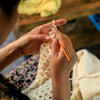
The rhythmic clack of the loom fills a narrow Varanasi lane at dawn, as a weaver carefully threads shimmering gold zari through rich maroon silk. Far more than mere cloth, this fabric preserves centuries of stories, techniques, and community wisdom now traveling from the banks of the Ganges to homes in New York, London, Dubai, and Sydney.
India's regional textile traditions deliver unmatched authenticity. Each piece carries the imprint of its origin: the intricate gold brocades of Banarasi sarees, the crisp natural-dyed geometry of Ajrakh block prints, the ethereal softness of pashmina shawls. These crafts attract growing attention from conscious consumers in India, the US, UK, Singapore, Australia, and the UAE. Curated platforms like IndieHaat bridge the gap, sourcing directly from artisans to offer handmade sarees, home textiles, and apparel while preserving cultural depth and ensuring fair returns to creators.
Fast fashion erodes cultural heritage, sidelining artisans and reducing traditions to trends. At IndieHaat, we champion India's craftspeople with handcrafted sarees, apparel, décor, and skincare rooted in authenticity. Each piece embodies skill and ethical care. Support artisans and preserve India's timeless legacy Shop Now!
A Geography of Craft
India's textile landscape forms a vivid cultural map. Uttar Pradesh artisans produce opulent Banarasi silks with Mughal-inspired motifs in gold and silver. Tamil Nadu's Kanchipuram sarees feature heavy zari borders symbolizing prosperity and tradition. Odisha and Telangana ikats create dreamlike blurred patterns through meticulous tie-dyeing of yarns before weaving. Gujarat's Ajrakh employs ancient resist-printing with natural dyes, while Jammu & Kashmir supplies pashmina from high-altitude goat wool prized for its fineness. Lucknow's chikankari transforms plain cotton with delicate shadow embroidery into timeless heirlooms.
These traditions root deeply in geography local flora for dyes, climate-appropriate fibers, rituals woven into motifs. Protection comes through Geographical Indications (GI) tags under the Geographical Indications of Goods (Registration and Protection) Act, 1999. India boasts 605 GI-tagged products, including 342 in handicrafts among them Banarasi sarees, Lucknow chikan, and pashmina shawls safeguarding origin-linked quality, boosting rural economies, preserving heritage knowledge, and supporting sustainability.
Bodies such as the Ministry of Textiles and National Handloom Development Corporation bolster preservation via clusters, GI enforcement, and artisan welfare. The "Vocal for Local" movement in India has amplified visibility, while global buyers turn to traceable, low-impact options over fast fashion.
Heritage as a Global Value Proposition
Market appeal varies by region yet converges on shared values. In India, direct-to-consumer platforms and government-supported clusters drive expansion. The handloom sector remains a major rural employer, with recent data indicating around 3.52 million people engaged in direct and allied activities.
The broader Indian textile market reached USD 152.40 billion in 2025, projected to grow to USD 213.75 billion by 2034 at a 3.83% CAGR, fueled by rising demand for diverse fabrics, eco-friendly materials, urbanization, e-commerce reach, and policy support for manufacturing excellence.
The handicrafts sector, closely allied, stood at USD 4,856.73 million in 2025, expected to reach USD 8,299.45 million by 2034 with a 6.13% CAGR driven by domestic and export demand, e-commerce growth, government export schemes, tourism, sustainable preferences, and fusion of tradition with modern design.
In the US and UK, ethical fashion momentum prevails. Buyers prioritize traceable textiles aligning with ESG standards, favoring Indian block prints and handwovens in boutique collections and home styling for their narrative depth and longevity.
Singapore and Australia embrace design-centric consumption, with curated retail and exhibitions positioning Indian crafts as premium, multicultural elements ikat cushions or Ajrakh throws merging heritage with sleek interiors.
The UAE applies a luxury perspective, transforming artisanal textiles into sophisticated home décor: embroidered cushions, silk throws, and wall pieces for upscale residences and hospitality.
These shifts prove durable. UK and Australian policies advance circularity, Singapore promotes eco-premium imports, UAE emphasizes ethical luxury qualities Indian handlooms embody through natural fibers, low waste, and enduring style.
Globally, the handloom products market valued at USD 8.32 billion in 2024 is set to grow from USD 8.95 billion in 2025 to USD 16.62 billion by 2032 at 9.24% CAGR, with Asia Pacific holding 55.77% share in 2024 propelled by demand for sustainable, culturally resonant items.
From Loom to Lifestyle
E-commerce empowers artisans to connect directly with distant buyers. A Varanasi Banarasi weaver supplies diaspora families in California or designers in London. US and UK interiors feature block-printed linens and handwoven scarves. Singapore and Australian outlets offer limited-edition crafts to mindful shoppers. UAE adaptations turn traditional motifs into contemporary luxury accents.
IndieHaat demonstrates this evolution effectively. Partnering across regions to feature Banarasi silks, Chanderi weaves, Ajrakh prints, and beyond, it delivers fair compensation to artisans and educates buyers through detailed provenance origin, technique, creator story making every purchase an act of cultural preservation.
Preserving Craft in a Scaled Economy
Obstacles remain real. Indian artisans contend with income volatility and generational skill erosion as youth migrate urbanward. Export markets face risks of imitation diluting authenticity or pricing pressures clashing with handmade realities.
Cross-border complexities include customs duties, labeling compliance, and adherence to ethical sourcing rules in the US, UK, Australia, and elsewhere. Transparent platforms prioritizing fair trade and authentic narratives prove essential in overcoming these barriers.
Craft as a Sustainable Growth Engine
The rewards justify the effort. In India, handloom and handicraft revival generates rural employment handicrafts engage over seven million people historically, with women comprising over 56% of artisans and conserves biodiversity via natural materials.
Globally, it supports ESG alignment: US and UK consumers back ethical goals, Singapore and Australia offer premium niche positioning, UAE blends heritage into luxury branding.
Digital innovation magnifies benefits: direct models eliminate intermediaries, provenance systems foster trust, storytelling strengthens emotional bonds yielding stable livelihoods for artisans and meaningful acquisitions for buyers.
Digitizing Heritage Without Losing Soul
Thoughtfully curated marketplaces like IndieHaat go beyond commerce they protect identity. Emphasizing distinct regional signatures, sharing technique education, and guaranteeing equitable artisan returns, these platforms sustain traditions amid globalization.
Outlook remains optimistic. Demand for authentic, narrative-driven products rises across the US, Singapore, Australia, and UAE. Partnerships among artisans, designers, and digital facilitators will deepen, weaving ancient skills into modern contexts.
India's textiles persist because they embody what automation cannot duplicate: human intent, regional soul, layered history. With deliberate choices by global consumers, this legacy not only endures it flourishes, thread by thoughtful thread.
Frequently Asked Questions
What are the most famous regional textile traditions in India?
India's most renowned textile traditions include Banarasi silk sarees from Uttar Pradesh with their intricate gold brocade work, Kanchipuram sarees from Tamil Nadu featuring heavy zari borders, and Ajrakh block prints from Gujarat using ancient natural-dye techniques. Other notable crafts include pashmina shawls from Jammu & Kashmir, ikat weaves from Odisha and Telangana, and Lucknow's delicate chikankari embroidery. Many of these textiles are protected under India's Geographical Indications (GI) tags, which safeguard their origin-linked quality and authenticity.
How is the Indian handloom and handicrafts market growing globally?
The Indian textile market reached USD 152.40 billion in 2025 and is projected to grow to USD 213.75 billion by 2034, while the handicrafts sector is expected to grow from USD 4,856.73 million in 2025 to USD 8,299.45 million by 2034. Globally, the handloom products market is set to expand from USD 8.95 billion in 2025 to USD 16.62 billion by 2032, driven by increasing demand for sustainable, ethically sourced, and culturally authentic textiles. Markets in the US, UK, Singapore, Australia, and UAE are showing strong interest in traceable Indian handlooms that align with ESG standards and ethical fashion values.
Why are Indian handloom textiles considered sustainable and ethical?
Indian handloom textiles embody sustainability through their use of natural fibers, biodegradable dyes derived from local flora, and low-waste traditional weaving techniques that have minimal environmental impact. The sector supports over 3.52 million people in rural India, with women comprising over 56% of artisans, providing stable livelihoods and preserving generational craft knowledge. Unlike fast fashion, handloom production emphasizes fair compensation for artisans, cultural preservation, and durable products designed to last for generations, making each purchase an act of supporting both environmental and social sustainability.
Disclaimer: The above helpful resources content contains personal opinions and experiences. The information provided is for general knowledge and does not constitute professional advice.
You may also be interested in: The Timeless Elegance of the Saree: A Cultural Icon of India
Fast fashion erodes cultural heritage, sidelining artisans and reducing traditions to trends. At IndieHaat, we champion India's craftspeople with handcrafted sarees, apparel, décor, and skincare rooted in authenticity. Each piece embodies skill and ethical care. Support artisans and preserve India's timeless legacy Shop Now!
Powered by flareAI.co