Handloom Fashion Show Draws Crowds at Bharat Tex 2025
Quick Listen:
Amid the vibrant chaos of New Delhi's Bharat Mandapam, where the scent of fresh dyes mingled with the chatter of international buyers, a handloom fashion show captivated audiences at Bharat Tex 2025. Held from February 14 to 17, 2025, this premier textile event transformed the venue into a global hub for innovation and tradition. Models strutted in garments that whispered tales of ancient weaves, drawing applause from a diverse crowd eager for sustainable elegance. This spectacle wasn't merely about style; it embodied India's enduring legacy in textiles, blending cultural depth with modern appeal in a way that resonated far beyond the runway.
Fast fashion erodes cultural heritage, sidelining artisans and reducing traditions to trends. At IndieHaat, we champion India's craftspeople with handcrafted sarees, apparel, décor, and skincare rooted in authenticity. Each piece embodies skill and ethical care. Support artisans and preserve India's timeless legacy Shop Now!
Weaving Heritage into Global Fashion
Bharat Tex 2025 emerged as a powerhouse platform, spotlighting India's textiles sector, among the most ancient industries in the nation's economy, tracing its roots back several centuries. This sector spans a broad spectrum, from artisanal hand-spun and hand-woven fabrics to advanced, capital-heavy mills. Its core strength lies in a robust production foundation offering diverse fibers and yarns, including natural options such as cotton, jute, silk, and wool, alongside synthetic varieties like polyester, viscose, nylon, and acrylic. What sets this industry apart is its deep ties to agriculture for raw materials like cotton, combined with the country's rich cultural and traditional textile practices, distinguishing it from other sectors. Capable of crafting an array of products tailored to various market needs, both locally and internationally, the industry continues to thrive.
The handloom fashion show stood out as a pivotal feature, celebrating the handloom sector of India, one of the largest unorganized economic pursuits in the country. Rooted in a longstanding tradition of exceptional craftsmanship, it safeguards and embodies India's lively cultural essence. Renowned worldwide, Indian handloom artisans excel in distinctive hand-spinning, weaving, and printing methods, often operating from rural villages and small towns where expertise is handed down across generations.
This year's event, hosted across Bharat Mandapam and the India Expo Centre in Greater Noida, welcomed a vibrant mix of exhibitors and visitors from around the globe. It highlighted not just handlooms but the entire textile value chain, from fibers to fashion. The runway vibrated with historical significance, featuring collaborations between designers and artisan groups that paid homage to age-old methods while infusing contemporary flair. From opulent Banarasi silks to rustic khadi weaves, the displays illustrated the sector's versatility in serving multifaceted markets at home and abroad. Emphasizing textile's connection to agricultural origins, natural fibers like cotton and jute dominated, complemented by eco-friendly alternatives such as bamboo-derived materials.
Evolving Trends in Handloom Design
A subtle yet profound transformation is sweeping through handloom fashion, propelled by worldwide cravings for eco-conscious and genuine creations. At Bharat Tex 2025, creators merged time-honored weaving practices with sleek, modern forms, producing attire that exuded eternal charm alongside progressive vision. Eco-dyed saris graced the catwalk beside tailored blazers crafted from kala cotton, a resilient type praised for its ecological benefits. The ascent of slow fashion, spurred by shopper's disdain for factory-churned apparel, has revitalized handlooms. Emerging designers are revitalizing local patterns from Andhra Pradesh's Kalamkari illustrations to Odisha's Sambalpuri textures for city lifestyles and international stages.
These developments sync with wider industry patterns. The worldwide handicrafts arena, pegged at USD 739.95 billion in 2024, is anticipated to expand to USD 983.12 billion by 2030, advancing at a compound annual growth rate of 4.9% between 2025 and 2030. Key to this surge is the escalating desire for distinctive, artisanal, and culturally resonant items, as buyers prioritize skilled workmanship and environmentally sound products over bulk-manufactured goods. Dominating the scene, the Asia Pacific handicrafts segment held a 34.81% revenue portion in 2024. Meanwhile, the U.S. handicrafts sphere is poised for the swiftest expansion at a 3.7% CAGR during the forecast span. Among products, woodwork commanded the top revenue slice of 26.71% in 2024, while mass retailers led distribution channels with 39.04% revenue share.
At the event, this hunger was evident, with European and U.S. attendees admiring the artistry. An overseas merchant confided to an associate, “This embodies true opulence genuine, not fabricated.” The focus on sustainability echoed throughout, aligning with global shifts toward ethical consumption.
Highlights from the Runway Collaborations
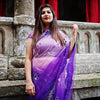
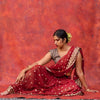
The pinnacle of the fashion presentation stemmed from partnerships between designers and artisan hubs. Titled “Breathing Threads,” the show on February 16, 2025, at the Bharat Mandapam amphitheater, paid tribute to Indian handloom's enduring grace through contemporary outlines. It featured fabrics from five states and seven weaving styles, captivating potential purchasers from Europe and Australia. A Rajasthan-based women-led group debuted eco-dyed saris, colored with natural elements like turmeric and indigo. Spectators cheered as a model spun in a radiant sari, its warm shades honoring India's farming roots. A Gujarat designer spotlighted kala cotton and bamboo textiles, earning nods from green-minded observers. These lines transcended beauty, asserting commitments to durability and upliftment.
Domestic and global buyers paid close attention. A spokesperson from a prominent Indian retail network observed that these handloom items could compete with luxury designer brands in quality. U.S. buyers, in a market forecasted to grow at 3.7% CAGR, showed strong enthusiasm for acquiring such works. The blend of heritage and novelty struck a chord, affirming handloom's viability in worldwide arenas. Additional highlights included displays from states like Andhra Pradesh, where delegations discussed investment in integrated textile parks and export prospects for handloom goods with international teams, including from Russia.
Prime Minister Narendra Modi, addressing the gathering, emphasized governmental initiatives to bolster handlooms in the tech age. He highlighted efforts to prioritize handloom authenticity alongside artisan skills, aiming to globalize their talents and expand opportunities. Over the past decade, more than 2,400 major marketing events have promoted handlooms, with an e-commerce site named 'India Handloom' facilitating online sales of over 2,400 products. Thousands of brands have joined, and GI-tagging has significantly aided these efforts.
Navigating Sector Challenges
Amid the acclaim, the handloom domain confronts formidable obstacles. Fast fashion's low costs and quick turnarounds pose stiff rivalry. Artisan groups frequently grapple with expansion, hindered by funding shortages and outdated logistics. Cultural appropriation looms large, with inherited designs and methods duplicated sans equitable pay to originators. During Bharat Tex, weavers expressed worries over big corporations adopting their patterns, underscoring the need for ethical procurement to match market growth.
However, these hurdles are surmountable. The sector's prowess in delivering varied offerings, from woven scarves to elaborate interior accents, provides a distinct advantage. An artisan remarked, “Our looms narrate tales beyond machine capabilities.” Gatherings like Bharat Tex amplify these narratives, linking creators with appreciative patrons. The event also featured sidelines like the Handicrafts, Dyeing, Chemicals, and Garment Machinery Expo in Greater Noida, inaugurated by Union Ministers, further broadening exposure.
Seizing Growth Prospects
Handlooms are securing a foothold in upscale and eco-friendly fashion realms, where genuineness commands premium value. Synergy with ESG frameworks marks a pivotal shift, as worldwide sellers pursue responsibly obtained items. Per Crisil Ratings, India's structured retail clothing segment eyes 8-10% revenue uptick in FY25, propelled by standard monsoons, declining inflation, and holiday-season surges. With minimal ecological impact, handlooms stand ready to leverage this momentum.
Online avenues present further growth paths. Partnerships with social media influencers and digital marketing drives can introduce handloom styles to youthful, digitally native audiences. Ripple effects touch related fields artisanal home furnishings, adornments, and gems gain from similar handcrafted allure. Bharat Tex 2025 illustrated this interconnectedness, with stalls exhibiting woven pillows and ornate jewelry next to catwalk ensembles. States like Arunachal Pradesh showcased eri silk, bamboo crafts, Mon-Shugu paper, and wool carpets, highlighting artisan empowerment and livelihood support.
The event's success, with honors for export councils like the Handloom Export Promotion Council, underscored collaborative achievements. Live dialogues and product launches fused tradition with modernity, including trend predictions and sustainable innovations.
Envisioning a Woven Future
As the curtains fell on Bharat Tex 2025's fashion extravaganza, attendees lingered, savoring the runway's enchantment. More than fabric exhibitions, it forged connections between India's history and horizons. Authorities view such forums as catalysts, granting artisans unprecedented market entry. The emergence of mixed craft-design ventures, merging classic approaches with current aesthetics, vows to sustain handlooms amid rapid evolution.
For participants enterprises, officials, and purchasers the roadmap is evident: fund artisan communities, safeguard cultural assets, and advocate for green practices. Handlooms transcend mere artistry; they drive financial independence, sustaining millions while upholding national ethos. A designer noted, “Each strand holds a narrative, worthy of sharing.” In 2025's Bharat Tex, those narratives interlaced a captivating mosaic, affirming the vitality of India's handloom tradition in contemporary times.
Frequently Asked Questions
What made the handloom fashion show at Bharat Tex 2025 so significant for India's textile industry?
The handloom fashion show at Bharat Tex 2025 showcased India's ancient textile heritage to over 50,000 visitors from more than 100 countries, highlighting the sector's ability to blend traditional craftsmanship with modern design. The event featured collaborations between designers and artisan groups, displaying everything from Banarasi silks to eco-friendly kala cotton, demonstrating how India's 2.8 million handlooms can compete in global luxury markets. It served as a powerful platform connecting traditional weavers with international buyers seeking authentic, sustainable fashion alternatives.
How is the global handicrafts market growth benefiting Indian handloom artisans?
The global handicrafts market is projected to grow from USD 739.95 billion in 2024 to USD 983.12 billion by 2030, with a 4.9% compound annual growth rate driven by increasing demand for authentic, artisanal products. Indian handloom artisans are well-positioned to capitalize on this growth, especially with the Asia Pacific region holding a 34.81% market share and the U.S. market expanding at 3.7% annually. This trend aligns with the growing preference for sustainable, culturally resonant items over mass-produced goods, giving handloom products a competitive edge in international markets.
What challenges do Indian handloom artisans face despite growing global interest?
Despite increasing global demand, handloom artisans face significant challenges including competition from fast fashion's low costs and quick production cycles, limited access to funding for scaling operations, and concerns about cultural appropriation where traditional designs are copied without fair compensation. Many artisan groups also struggle with outdated logistics and marketing capabilities that prevent them from reaching broader markets. However, events like Bharat Tex 2025 and government initiatives including over 2,400 marketing events and the 'India Handloom' e-commerce platform are helping bridge these gaps by connecting artisans directly with appreciative global buyers.
Disclaimer: The above helpful resources content contains personal opinions and experiences. The information provided is for general knowledge and does not constitute professional advice.
You may also be interested in: What Is Handloom Weaving? A Cultural and Economic Perspective
Fast fashion erodes cultural heritage, sidelining artisans and reducing traditions to trends. At IndieHaat, we champion India's craftspeople with handcrafted sarees, apparel, décor, and skincare rooted in authenticity. Each piece embodies skill and ethical care. Support artisans and preserve India's timeless legacy Shop Now!
Powered by flareAI.co