Gen Z Ethnic Trends to Watch in 2025: Minimal Drapes and Clean Lines

Quick Listen:
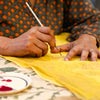
In a sunlit atelier tucked away in Mumbai's labyrinthine lanes, a young artisan deftly maneuvers threads of lustrous silk across an ancient loom. The resulting saree eschews the elaborate zari work of yesteryears, opting instead for a refined, unadorned grace sharp contours, subdued hues, and a drape as intuitive as slipping into everyday denim. A year where Generation Z is profoundly transforming Indian ethnic attire. By fusing time-honored craftsmanship with a contemporary yen for restraint, these young consumers are not merely following trends; they're dictating them, invigorating the artisan economy in the process. As global eyes turn toward this evolution, the implications for cultural preservation and commercial innovation are profound.
Fast fashion erodes cultural heritage, sidelining artisans and reducing traditions to trends. At IndieHaat, we champion India's craftspeople with handcrafted sarees, apparel, décor, and skincare rooted in authenticity. Each piece embodies skill and ethical care. Support artisans and preserve India's timeless legacy Shop Now!
Minimal Drapes and Clean Lines Reshape Artisan Fashion
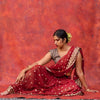
Generation Z those born from 1997 to 2012, characterized by their digital fluency and cultural eclecticism has emerged as the pivotal force propelling India's ethnic apparel sector forward. Insights from a comprehensive analysis reveal that the India saree market achieved a valuation of $5.76 billion in 2024, with projections indicating growth to $10.33 billion by 2033 at a steady compound annual growth rate of 6.70% from 2025 onward. This expansion is propelled by a marked shift toward eco-friendly handloom varieties, reinforced through governmental measures like Geographical Indication tags and the Handloom Mark scheme. These efforts not only validate the genuineness of products but also bolster the economic well-being of weaving communities across the nation. Beyond sarees, Gen Z's impact extends to an array of garments including kurtas, lehengas, and sherwanis for men, where they advocate for creations that harmonize ancestral artistry with a pared-back, modern sensibility. This demographic's preferences are reshaping how ethnic wear is conceived, produced, and consumed, emphasizing sustainability and versatility in equal measure. Step into a contemporary fashion outlet in any major Indian city, and the transformation is palpable. Sarees now boast flowing, undecorated forms in hushed tones of beige and sage green; kurtas feature precise, geometric edges; and lehengas forgo dense ornamentation in favor of streamlined fits. Far from dismissing cultural roots, this represents a thoughtful evolution. Gen Z seeks attire that mirrors their fluid lifestyles outfits capable of shifting seamlessly from vibrant festival gatherings like Diwali to relaxed social meetups. This adaptability underscores a deeper value system: one that prizes functionality without compromising on aesthetic appeal. As these young consumers navigate a world of rapid change, their choices in ethnic fashion reflect a desire for pieces that are both timeless and timely, bridging generational divides while honoring artisanal legacies.
A New Aesthetic: Minimalism Meets Heritage
At the core of Gen Z's approach to ethnic style lies a commitment to minimalism. The era of opulent, sequin-laden ensembles is waning, supplanted by designs that embrace crisp outlines and subdued color schemes envision gentle creams, deep charcoals, and warm clay shades. For instance, a classic Banarasi saree, historically renowned for its lavish patterns, may now incorporate just one striking angular design element. Similarly, a conventional straight kurta, once adorned with elaborate needlework, might highlight a solitary, artfully placed print. This movement embodies a cultural realignment toward the principle of understatement, where elegance emerges from restraint rather than excess. It's a philosophy that resonates with Gen Z's broader life ethos, influenced by global minimalism trends seen in everything from Scandinavian design to Japanese wabi-sabi. Equally transformative is the rise of intercultural blending. Gen Z thrives on combinatorial creativity, such as draping a meticulously woven silk saree alongside athletic footwear or layering a fitted sherwani over tapered trousers. This East-West synthesis aligns with their interconnected, social media-fueled perspectives, drawing inspiration from worldwide catwalks and digital content streams. Broader industry data supports this momentum: the global ethnic wear market, valued at $84.10 billion in 2024 and climbing to $89.74 billion in 2025, is anticipated to surge to $122.88 billion by 2030, advancing at a 6.52% compound annual growth rate from 2025. This progression stems from heightened interest in genuine, superior-quality traditional clothing, evolving international tastes, and widened sales avenues. The market encompasses varied categories, from kurtas in A-line, angrakha, or straight styles to lehengas suited for bridal, everyday, or celebratory use, and extends to salwar kameez variants like anarkali or patiala. Distribution spans digital and physical retail, with price points ranging from opulent to economical, catering to weddings, festivals, and routine wear across genders, ages, and fabrics like cotton, silk, or synthetics. Regionally, it spans the Americas, Europe, Middle East and Africa, and Asia-Pacific, with prominent players including Aditya Birla Fashion and Retail Limited, Reliance Retail Ventures Limited, and Raymond Limited.
Artisans in the Spotlight
Throughout India, from the silk hubs of Varanasi to the cotton weaves of Kanchipuram, craftspeople are pivoting to accommodate this emerging paradigm. They're innovating with materials such as khadi and tussar silk to fashion understated pieces that appeal to city dwellers. Fashion events in metropolises like Delhi and Mumbai have spotlighted lines that merge age-old weaving methods with modern tailoring consider sarees pre-pleated for ease or lehengas with fluid A-line hems. A notable initiative in Bengaluru involves a group of designers collaborating with village-based weavers to craft off-the-rack ethnic outfits, infusing classic skills with Gen Z's affinity for uncomplicated chic. These partnerships not only sustain rural economies but also ensure that traditional knowledge evolves without erosion. Digital platforms amplify these developments exponentially. Through Instagram shorts and TikTok clips, influencers demonstrate innovative ways to style sparse sarees or accessorize kurtas with bold eyewear, democratizing artisan creations. The integration of artificial intelligence in online shopping offering tailored suggestions and digital fittings has accelerated this accessibility, as evidenced by the saree sector's insights. India's e-commerce landscape is set to balloon to $345 billion by 2030 and $550 billion by 2035, supported by more than 150 million active online shoppers. High-profile backing plays a role too; a celebrity donning a sleek, handloomed kurta can spark widespread adoption. Recent highlights include designer Ridhi Mehra's 'Ever After' line unveiled on February 11, 2025, and Taneira's promotional drive from January 25, 2025, emphasizing certified handwoven sarees endorsed by stars, further enticing youthful buyers toward sustainable choices. The handloom industry itself underscores this vitality, employing over 3.5 million workers 72% of whom are women and utilizing 2.8 million looms nationwide. Exports from this segment reached $10.94 billion in fiscal year 2023, with the United States comprising 29.4% of the share. Governmental backing, such as allocating 30 crore Indian rupees for large-scale clusters and providing 15% subsidies on yarn, enhances the sector's resilience and market edge.
The Challenges of Going Minimal
This transition, however, is fraught with obstacles. Streamlining age-old crafts could inadvertently strip away their narrative richness; a saree woven by hand might forfeit its detailed symbolic patterns to conform to minimalist ideals. Craftspeople, steeped in techniques passed down through generations, grapple with the urgency to reinvent amid fleeting trends, potentially compromising the integrity of their work. Pricing remains a thorny issue as well. The intensive labor behind handmade items often results in higher costs, which can deter thrifty Gen Z shoppers, particularly when contrasted with affordable, industrially produced replicas from fast-fashion giants. The rivalry intensifies this dynamic. Artisan enterprises prioritize originality, yet mainstream competitors inundate e-platforms with imitations that capture the sleek aesthetic at lower prices. The imperative for weavers is to uphold their authenticity while resonating with a cohort that demands eco-friendliness alongside economic sensibility. Balancing these elements requires strategic innovation, from cost-effective sourcing to targeted marketing that highlights the unique value of handcrafted goods.
Opportunities for Growth
Despite these hurdles, the prospects are expansive. Artisan labels can reframe their handlooms and handicrafts as chic, metropolitan essentials, attracting a discerning clientele. The international demand for South Asian styles is escalating, with overseas markets in the Americas, Europe, and Asia-Pacific craving updated ethnic interpretations, as detailed in ethnic wear analyses. Online commerce serves as a catalyst, enabling brands to employ narrative-driven content like videos of weaving processes or partnerships with online personalities to promote their refined collections effectively. This minimalist philosophy transcends apparel, influencing complementary categories. Accessories and adornments adopt similar restraint, such as jute totes accented with smooth leather or brass earrings of subtle design. Home furnishings follow suit, with textiles featuring clean geometries that evoke quiet luxury. By venturing into these realms, artisan ventures can broaden their portfolios, mitigating risks and capitalizing on Gen Z's holistic lifestyle preferences.
Looking Ahead: A Fusion Future
Industry visionaries forecast that "functionally graceful" ethnic attire will prevail in 2025, spanning ceremonial lehengas to daily kurtas. Artisanal entities are well-positioned to dominate the eco-luxury niche, aligning with Gen Z's environmental awareness. The horizon promises deeper integrations traditional pieces melding effortlessly with Western elements, like a silk kurta under a structured jacket or a ready-draped saree styled as evening wear. Such versatility holds the potential to revolutionize the artisan domain, safeguarding cultural legacies while penetrating international arenas. In the rhythmic cadence of India's workshops, Generation Z is crafting a fresh storyline for ethnic fashion. It's a tale of reinvention rather than relinquishment more streamlined, more refined, and irresistibly contemporary. Observers worldwide will witness this cohort cloaking their essence in understated poise, affirming that true sophistication often thrives in simplicity. This not only revitalizes a venerable industry but also ensures its relevance for generations to come, blending heritage with horizon in a tapestry of enduring appeal.
Frequently Asked Questions
What are the key Gen Z ethnic fashion trends for 2025?
Gen Z is driving a minimalist revolution in ethnic wear for 2025, favoring clean lines, subdued color palettes, and unadorned designs over traditional elaborate embellishments. This includes streamlined sarees with geometric patterns, crisp kurtas with minimal embroidery, and lehengas with flowing A-line silhouettes. The trend emphasizes versatility and functionality, allowing pieces to transition seamlessly from festive occasions to casual social gatherings.
How is Gen Z supporting Indian artisans through their fashion choices?
Gen Z consumers are actively choosing handloom and khadi fabrics, directly supporting India's 3.5 million handloom workers (72% of whom are women) and boosting the artisan economy. Their preference for authentic, eco-friendly ethnic wear has contributed to the Indian saree market's growth from $5.76 billion in 2024 to projected $10.33 billion by 2033. Through social media platforms and digital commerce, young consumers are democratizing artisan creations and helping traditional craftspeople reach global markets.
What challenges do traditional artisans face with Gen Z's minimalist ethnic wear preferences?
Traditional artisans face the challenge of adapting centuries-old techniques to create simpler designs without losing cultural authenticity and symbolic richness. The shift toward minimalism can strip away detailed narrative patterns that have been passed down through generations. Additionally, handmade items often cost more than mass-produced alternatives, creating pricing pressure as Gen Z seeks both sustainability and affordability, forcing artisans to compete with fast-fashion imitations that replicate the aesthetic at lower prices.
Disclaimer: The above helpful resources content contains personal opinions and experiences. The information provided is for general knowledge and does not constitute professional advice.
You may also be interested in: Fusion Ethnic Wear: Blending Tradition with Modern Trends
Fast fashion erodes cultural heritage, sidelining artisans and reducing traditions to trends. At IndieHaat, we champion India's craftspeople with handcrafted sarees, apparel, décor, and skincare rooted in authenticity. Each piece embodies skill and ethical care. Support artisans and preserve India's timeless legacy Shop Now!
Powered by flareAI.co