Documenting Unique Regional Designs for Consumer Education
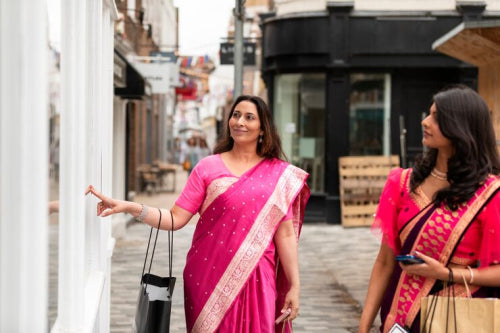
In the bustling lanes of Bhopal and the serene weaving villages of Odisha, every thread carries centuries of stories, skill, and cultural identity. Yet for many of us whether navigating the vibrant streets of Mumbai, the fast-paced life in New York, or the modern skyline of Singapore these rich narratives often stay concealed behind the finished garment. Documenting Unique Regional Designs goes far beyond preservation. It reconnects today's consumers with India's living handcrafted heritage, empowering artisans and enriching wardrobes across India, the US, Singapore, Australia, the UK, and the UAE.
Fast fashion erodes cultural heritage, sidelining artisans and reducing traditions to trends. At IndieHaat, we champion India's craftspeople with handcrafted sarees, apparel, décor, and skincare rooted in authenticity. Each piece embodies skill and ethical care. Support artisans and preserve India's timeless legacy Shop Now!
Why Documenting Regional Craft Traditions Matters Today
Modern shoppers are moving away from uniform fast fashion toward pieces that hold deeper meaning. They look for fabrics rooted in specific climates, motifs inspired by regional festivals, and techniques refined across generations. This growing interest forms the core of IndieHaat's work as a curated e-commerce brand based in Bangalore. We partner closely with artisans to offer carefully selected handmade apparel, accessories, home décor, and artisanal skincare all chosen for quality, cultural authenticity, and ethical production.
Consider Tussar sarees from Chhattisgarh and Odisha, known for their natural golden sheen and distinctive textured weave. Or linen sarees that provide effortless breathability, perfect for humid Indian summers or long days in air-conditioned spaces abroad. These are more than garments. They serve as portable expressions of regional identity. Educating consumers about them turns every purchase into a meaningful connection with India's creative communities.
The Rising Demand for Authentic Handcrafted Indian Textiles
Across our primary markets India, the US, Singapore, Australia, the UK, and the UAE thoughtful buyers actively seek sarees, dress materials, and home textiles that tell genuine stories. In an era dominated by mass production, the human touch has become a true luxury. Artisans once working in relative isolation now reach appreciative global audiences through dedicated platforms like IndieHaat.
What sets IndieHaat apart is our rigorous selection process. Unlike typical marketplaces, we ensure every item meets high standards of quality and ethics. We source handmade items directly from artisans, offering unique designs in authentic and pure fabrics only linen, silk, and cotton. This direct partnership guarantees fair support for makers while keeping sustainable traditions vibrant. Shoppers also find us on trusted platforms including Amazon Marketplace and ONDC Marketplace, combining familiar convenience with assured curation.
Modern Approaches to Documenting and Sharing Regional Designs
Digital tools have transformed how we document and celebrate regional artistry. In India and Singapore, Instagram and YouTube channels bring viewers close to the loom, with weavers explaining the unique qualities of genuine Tussar silk versus imitations. Live workshops streamed from artisan clusters let audiences in London or Dubai witness block-printing techniques unfold in real time.
In the US, UK, and Australia, virtual craft fairs and designer collaborations at international fashion events have elevated Indian regional textiles. Government efforts, particularly India's Ministry of Textiles initiatives, further support this through exhibitions and digital archives. The outcome is improved traceability buyers can follow a saree from its originating village straight to their home.
Stories from Artisan Clusters to Global Customers
- In India: Tussar silk clusters in Madhya Pradesh and Odisha flourish thanks to dedicated artisan collectives. Government-supported exhibitions help weavers access urban and international markets while preserving natural dyeing methods and traditional looms.
- In the US & UK: Curated online spaces and fashion week collaborations introduce handcrafted Indian pieces to audiences who prioritise sustainability and cultural resonance.
- In Singapore & UAE: Premium retailers and direct artisan sourcing models appeal to buyers who value exclusivity and limited-edition regional designs.
Addressing Common Buyer Hesitations with Openness
Prospective customers often pause over familiar concerns: “Is the pricing justified?” “How can I trust the quality without touching the fabric?” These objections are understandable. IndieHaat tackles them directly with transparent storytelling, detailed close-up photography of weaves and textures, authentic customer reviews from across target regions, and clear fabric specifications.
Our core differentiators build lasting confidence. Every product is handmade and directly sourced, features truly unique designs, and uses only pure, authentic linen, silk, and cotton. When you choose a Tussar saree or linen dress material, you gain insight into its maker and its cultural importance. This transparency helps overcome trust gaps and the natural desire to experience products firsthand.
Real-World Advantages of Embracing Regionally Rooted Handcrafts
These choices deliver benefits that go well beyond appearance. Linen sarees provide excellent comfort in India's varying climates and in modern office environments worldwide. Tussar silk develops a beautiful patina over time with proper care. Handcrafted home décor items infuse living spaces with warmth and character that machine-made alternatives rarely match.
Conscious purchasing also sustains rural livelihoods and safeguards skills at risk of fading. It represents a meaningful act of cultural support one thoughtful choice at a time. The global textile and apparel sector continues to evolve with strong interest in natural materials and ethical production, as seen in industry developments where established players expand focus on traditional and sustainable practices.
Practical Steps to Begin Your Exploration of Regional Indian Textiles
Starting is simpler than many realise. Follow artisan stories and process videos on Instagram, Facebook, and YouTube. Browse collections organised by region and technique. Ask questions about weaves, natural dyes, and the inspiration behind specific motifs. IndieHaat makes this journey accessible and enjoyable.
Begin with versatile favourites: a breathable linen saree for daily elegance, a lightweight Tussar stole ideal for travel, or quality dress materials ready for personalised tailoring. Each selection contributes to the larger narrative of heritage preservation and appreciation. Engage with our social communities to hear directly from fellow enthusiasts in India and abroad.
The Lasting Significance of India's Handcrafted Legacy
Documenting unique regional designs ultimately keeps India's artisan communities thriving while presenting the world with beautiful, purposeful alternatives to the commonplace. In a time when many goods feel temporary, these handcrafted treasures highlight the satisfaction found in items created with care, patience, and profound cultural understanding.
Whether rediscovering roots in Bangalore or seeking distinctive pieces in Sydney, the opportunity remains open: examine the details, absorb the stories, and welcome a fragment of living heritage into your life. Your wardrobe and the hands that crafted it will both be enriched.
“Every thread carries a conversation between past and present, artisan and wearer. When we document these regional designs, we ensure that conversation continues for generations.”
Looking Ahead: Active Participation in Heritage Preservation
The future of Indian handcraft depends not only on museums but on daily use by people who understand and cherish its value. By learning about Tussar sarees, linen traditions, and the diversity of regional methods, we all play a role in sustaining these practices. IndieHaat exists to make this involvement straightforward, joyful, and impactful.
The next time you drape a saree or feel the texture of handwoven fabric, pause to remember the artisans, villages, and heritage it embodies. That moment of connection is precisely what renders these garments timeless. Through continued education and conscious choices, we help ensure India's extraordinary handcrafted traditions flourish for many more generations.
Frequently Asked Questions
What are Tussar sarees and why are they considered unique regional Indian textiles?
Tussar sarees originate from artisan clusters in Chhattisgarh, Odisha, and Madhya Pradesh, and are prized for their natural golden sheen and distinctive textured weave. Unlike machine-made alternatives, they are handcrafted using traditional looms and natural dyeing methods passed down through generations. Over time and with proper care, Tussar silk develops a beautiful patina, making each piece a long-lasting, culturally significant garment.
How can I verify the authenticity and quality of handcrafted Indian textiles when shopping online?
Reputable curated platforms address this by offering detailed close-up photography of weaves and textures, transparent artisan storytelling, and verified customer reviews from buyers across multiple regions. Look for sellers who source handmade items directly from artisans and specify pure, natural fabrics such as linen, silk, or cotton rather than blended or synthetic alternatives. Traceability features, where you can follow a product from its originating village to your door, are a strong indicator of an ethical, authentic seller.
Why is documenting regional Indian craft traditions important for consumers and artisan communities?
Documenting regional designs educates global consumers about the cultural significance, techniques, and stories behind handcrafted textiles, turning each purchase into a meaningful connection with India's living heritage. For artisan communities in weaving villages across Odisha, Bhopal, and beyond, this visibility opens access to urban and international markets, sustaining rural livelihoods and preserving skills at risk of fading. Conscious buying choices directly support the continuation of centuries-old traditions for future generations.
Disclaimer: The above helpful resources content contains personal opinions and experiences. The information provided is for general knowledge and does not constitute professional advice.
You may also be interested in: A Dazzling Guide to India's Famous Silk Sarees
Fast fashion erodes cultural heritage, sidelining artisans and reducing traditions to trends. At IndieHaat, we champion India's craftspeople with handcrafted sarees, apparel, décor, and skincare rooted in authenticity. Each piece embodies skill and ethical care. Support artisans and preserve India's timeless legacy Shop Now!
Powered by flareAI.co