Buy Pure Silk Saree India: What Sets It Apart?
Quick Listen:
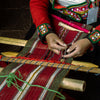
In a sunlit workshop in Varanasi, a weaver leans over a wooden loom, threading shimmering silk and gold zari with a precision honed over decades. The result is a Banarasi saree, a masterpiece that might take six months to complete, its intricate patterns a testament to India's enduring textile legacy. Pure silk sarees are more than garments; they're cultural artifacts, woven with stories of tradition and artistry. In an era dominated by fast fashion, finding an authentic silk saree can feel daunting, but platforms like IndieHaat make it possible, connecting buyers directly with artisans. This isn't just about owning a saree it's about preserving a craft and embracing a piece of heritage.
The Enduring Charm of Pure Silk Sarees
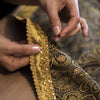
Pure silk sarees hold a singular place in India's cultural and sartorial landscape. Worn for weddings, festivals, and milestone celebrations, they exude elegance and timelessness. The Banarasi saree, crafted in Varanasi, is renowned for its intricate floral and foliate motifs, kalga and bel patterns, and a distinctive jhallar border of upright leaves. These sarees feature gold work, compact weaving, and delicate details like mina work and net-like jal patterns, often taking 15 days to six months to create, depending on complexity. Traditionally paired with fine jewelry, they shine on significant occasions, embodying both luxury and heritage.
What makes these sarees exceptional is their material: silk, a natural protein fiber called fibroin, produced by silkworm larvae. According to market insights, silk's global demand is rising due to advancements in sericulture and an expanding textile industry. Unlike synthetic fabrics, silk production requires minimal machinery, making it a sustainable choice that supports artisans. For buyers in IndieHaat's key markets India, the US, UK, Singapore, Australia, and the UAE these sarees offer a connection to India's rich textile tradition, blending authenticity with global appeal.
A Renaissance of Handcrafted Fashion
The fashion industry is witnessing a quiet revolution, with handcrafted and sustainable textiles gaining prominence. The global handloom sarees market, valued at USD 3.72 billion in 2024, is projected to grow to USD 7.29 billion by 2032, with a CAGR of 8.99%. Asia Pacific leads with a 68.82% market share, driven by India's age-old weaving techniques. Consumers are increasingly seeking authenticity, drawn to fabrics like pure silk, linen, and cotton IndieHaat's signature offerings. This shift reflects a broader desire for sustainable fashion that honors craftsmanship over mass production.
IndieHaat capitalizes on this trend by partnering directly with artisans, ensuring every saree tells a story. Through platforms like Instagram, Facebook, and YouTube, they showcase the weaving process and the artisans behind it. Accounts like anilarubyraj and varshaoak bring these creations to life, offering glimpses of vibrant designs and the hands that craft them. This transparency resonates with buyers who value ethical sourcing and want to invest in pieces that reflect both heritage and modernity.
Connecting Buyers with Artisans
Picture an artisan in a rural Indian village, their loom humming as they weave a silk saree with intricate pallus and metallic zari threads. Each piece is unique, a labor of love that reflects years of skill. IndieHaat bridges this world with global buyers, sourcing directly from artisans to deliver authentic, handmade sarees. By cutting out middlemen, the platform ensures fair wages for weavers while offering customers unparalleled quality.
This model has far-reaching impact. India's textile industry is the nation's second-largest employer after agriculture, supporting millions of skilled and unskilled workers. IndieHaat's direct-sourcing approach not only preserves this vital sector but also empowers artisans to sustain their craft in a competitive market. For buyers, it's an opportunity to own a saree that's more than fabric it's a piece of art with a human story, crafted with care and rooted in tradition.
Overcoming Barriers to Buying Silk
Purchasing a pure silk saree isn't without challenges. High pricing often raises eyebrows, but the cost reflects the craftsmanship involved. A single Banarasi saree, with its gold-wrapped zari and intricate designs, can take months to complete, justifying its premium. IndieHaat emphasizes this value, positioning their sarees as investments in quality and heritage rather than mere purchases.
Trust is another hurdle. With counterfeit fabrics flooding the market, buyers often question authenticity. IndieHaat addresses this through transparency, sourcing directly from artisans and leveraging certifications like Silk Mark to guarantee quality. The inability to touch and feel the fabric online is a valid concern, but IndieHaat counters this with detailed imagery, responsive customer service, and clear return policies. Platforms like Instagram, where accounts like svishala74 showcase saree's texture and sheen, help bridge this gap, offering a virtual glimpse of their craftsmanship.
The Rewards of Choosing Pure Silk
Investing in a pure silk saree from IndieHaat is an experience that transcends shopping. Each saree is a unique creation, its designs a celebration of India's cultural diversity. From the bold motifs of a Banarasi to the understated elegance of a silk-cotton blend, these sarees cater to varied tastes. Their appeal extends beyond India, captivating buyers in the US, UK, Singapore, Australia, and the UAE, where they're worn as statement pieces for weddings, cultural events, or high-fashion ensembles.
The India saree market, valued at USD 5.76 billion in 2024, is forecasted to reach USD 10.33 billion by 2033, with a CAGR of 6.70%. This growth underscores the global demand for authentic Indian textiles. By choosing IndieHaat, buyers not only acquire a saree but also support sustainable fashion and artisan communities. Each purchase preserves a craft that has thrived for centuries, offering a tangible connection to India's heritage.
Weaving a Future for Silk Sarees
The future of pure silk sarees is bright, fueled by platforms like IndieHaat that make authentic, handcrafted textiles accessible worldwide. As e-commerce grows, artisans can reach global markets without compromising their craft's integrity. IndieHaat stands at the forefront, blending tradition with innovation to deliver sarees that embody artistry and ethics.
For those considering a pure silk saree, the choice is clear: it's an investment in beauty, heritage, and sustainability. Browse IndieHaat's collections, explore their Instagram showcases like drminimalhotra, and discover a saree that's as unique as its wearer. In a world of fleeting trends, a pure silk saree remains a timeless treasure woven with skill, steeped in tradition, and ready to tell its next story.
Frequently Asked Questions
What makes pure silk sarees from India so expensive?
Pure silk sarees, especially Banarasi varieties, are expensive because they require exceptional craftsmanship and time-intensive production. A single Banarasi saree with intricate gold zari work and detailed patterns can take anywhere from 15 days to six months to complete by skilled artisans. The cost reflects the premium materials like natural silk fibroin and gold threads, plus the decades of expertise required to create these cultural masterpieces.
How can I verify the authenticity of a pure silk saree when buying online?
To ensure authenticity when buying pure silk sarees online, look for platforms that source directly from artisans and provide transparency about their crafting process. Check for certifications like the Silk Mark, which guarantees genuine silk quality. Reputable sellers like IndieHaat offer detailed imagery, clear return policies, and showcase the actual weaving process through social media platforms, helping you verify the saree's authenticity before purchase.
Which regions in India produce the best handloom silk sarees?
Varanasi (Banaras) in Uttar Pradesh is renowned for producing some of India's finest silk sarees, particularly Banarasi sarees known for their intricate floral motifs, kalga and bel patterns, and distinctive jhallar borders with gold work. India's textile industry, being the second-largest employer after agriculture, has multiple regions specializing in handloom silk production, with Asia Pacific holding a 68.82% share of the global handloom sarees market due to India's traditional weaving techniques.
Disclaimer: The above helpful resources content contains personal opinions and experiences. The information provided is for general knowledge and does not constitute professional advice.
You may also be interested in: Ilkal Sarees: Unveiling the Elegance of Karnataka's Handwoven
Fast fashion erodes cultural heritage, sidelining artisans and reducing traditions to trends. At IndieHaat, we champion India's craftspeople with handcrafted sarees, apparel, décor, and skincare rooted in authenticity. Each piece embodies skill and ethical care. Support artisans and preserve India's timeless legacy Shop Now!
Powered by flareAI.co