A Look at Curated Accessories Inspired by Regional Crafts
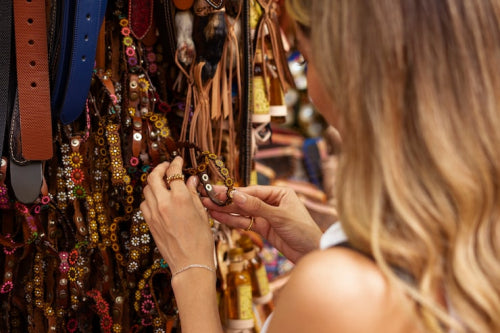
In an era dominated by fast fashion and fleeting trends, a quiet resurgence is taking hold one where the hands of artisans weave stories of heritage into accessories that captivate and endure. Curated pieces, from intricately woven bags to jewelry etched with centuries-old motifs, are redefining style with authenticity at their core. Platforms like IndieHaat are amplifying this movement, connecting skilled craftspeople with a global audience hungry for meaning and craftsmanship. This isn't just fashion; it's a celebration of culture, sustainability, and the human touch in a world of mechanized uniformity.
The Rise of Artisanal Accessories
The global appetite for handcrafted accessories is soaring, driven by a desire for unique, culturally resonant products. A handicrafts market report estimates the global handicrafts market at USD 739.95 billion in 2024, projecting growth to USD 983.12 billion by 2030, with a compound annual growth rate (CAGR) of 4.9%. Consumers are turning away from mass-produced goods, seeking out items that embody craftsmanship and eco-conscious values. The Asia Pacific region, holding a 34.81% revenue share in 2024, leads this charge, with artisans blending traditional techniques into modern designs that resonate worldwide.
IndieHaat stands at the forefront of this shift, curating accessories that fuse regional artistry with contemporary flair. From hand-stitched leather sandals to necklaces inspired by ancient block-printing traditions, these pieces tell stories of their makers. Another report projects the cultural products market to grow from USD 500,050 million in 2024 to USD 755,858 million by 2032, at a CAGR of 5.3%, fueled by demand for personalized goods that reflect identity and heritage. This trend underscores why platforms like IndieHaat are thriving consumers want accessories with soul.
Trends Driving the Craft Renaissance
Sustainability is a cornerstone of this revival. Artisans are embracing eco-friendly materials like natural fibers and upcycled metals, aligning with a growing consumer preference for ethical production. The craft supplies industry, valued at USD 41.08 billion in 2024, is expected to reach USD 62.31 billion by 2034, with a CAGR of 4.25%, driven by enthusiasm for DIY and handmade goods. This reflects a broader movement: buyers want accessories that not only elevate their style but also align with their values.
Another powerful trend is the revival of traditional techniques. Across regions like South Asia and Latin America, artisans are breathing new life into handloom weaving and intricate embroidery, creating accessories that feel both timeless and fresh. IndieHaat's collections showcase this fusion, featuring bags woven with ancestral patterns and jewelry that reimagines age-old designs for modern wardrobes. Customization is also on the rise, with consumers craving pieces tailored to their personal or cultural narratives. Digital platforms and social media, as highlighted in market insights, amplify these trends by connecting artisans with younger, global audiences who value authenticity.
Artisans in Action: Real-World Impact
IndieHaat's collaborations with artisans illustrate the transformative power of curated accessories. Consider a line of earrings crafted in India, where artisans use traditional silver filigree techniques to create delicate, contemporary designs. These pieces, featured on IndieHaat, have found buyers from London to Los Angeles, proving that heritage can transcend borders. Similarly, a collection of handwoven totes from indigenous communities in Central America showcases vibrant textiles that carry cultural weight, blending seamlessly with modern fashion sensibilities.
A striking example is the resurgence of handloom textiles in South Asia. Once at risk of being eclipsed by industrial production, these fabrics are now celebrated in chic, handcrafted accessories like clutches and scarves. IndieHaat's partnerships with artisans have helped elevate these creations, proving that tradition can thrive in today's market. Market data supports this, noting that the woodwork segment, often used in jewelry, held a 26.71% revenue share in 2024, while mass retailers, a key distribution channel, accounted for 39.04% of the handicrafts market.
Navigating Challenges in the Craft Ecosystem
Despite the momentum, artisans face significant hurdles. Preserving the authenticity of traditional techniques under the pressure of global demand is no small feat. Supply chain issues such as sourcing sustainable materials or managing international logistics can strain small-scale operations. Balancing tradition with the fast-paced demands of the fashion industry is another challenge, as artisans strive to keep their work relevant without compromising its essence.
Equally critical is the issue of cultural appropriation. As regional crafts gain popularity, there's a risk of designs being co-opted without proper credit or compensation to their creators. Platforms like IndieHaat must prioritize ethical sourcing and transparent storytelling to honor the cultural roots of each piece. Protecting artisan's intellectual property is not just a legal necessity it's a moral imperative to ensure the integrity of this craft revival.
Opportunities for Global Reach
The opportunities, however, are boundless. Online platforms like IndieHaat are breaking down barriers, enabling artisans to reach buyers across continents. This digital bridge, coupled with the power of storytelling, transforms a simple accessory into a narrative of culture and craftsmanship. Consumers are drawn to the stories behind their purchases whether it's a bracelet crafted by a third-generation artisan or a bag woven in a remote village. Market analysis highlights how e-commerce and influencer marketing have expanded the visibility of cultural products, driving demand among younger audiences.
Collaborations between artisans and designers offer another avenue for growth. By pairing traditional techniques with modern aesthetics, these partnerships create accessories that appeal to diverse markets. Social media platforms amplify this reach, showcasing the human stories behind each piece and fostering a sense of connection. The U.S. handicrafts market, expected to grow at a CAGR of 3.7% through 2030, reflects this growing appetite for authentic, handcrafted goods.
A Future Woven with Purpose
The rise of curated accessories signals more than a fashion trend it's a cultural movement. These pieces, rooted in tradition yet styled for today, offer a counterpoint to the homogeneity of fast fashion. Experts predict that the blend of heritage and innovation will only gain momentum, with platforms like IndieHaat paving the way for artisans to shine on a global stage. The projected growth of the cultural products market to USD 755,858 million by 2032 underscores the enduring appeal of craftsmanship.
For IndieHaat and the industry at large, the future lies in nurturing artisans, exploring new craft regions, and amplifying the stories that make each piece unique. In a world that often feels fragmented, these accessories are a reminder of our shared humanity each stitch, bead, and weave a testament to creativity and resilience. They're not just adornments; they're emblems of culture, worn with pride and purpose.
Frequently Asked Questions
What makes curated artisanal accessories different from mass-produced fashion items?
Curated artisanal accessories are handcrafted using traditional techniques passed down through generations, making each piece unique and culturally significant. Unlike mass-produced items, these accessories tell stories of their makers and regions, incorporating sustainable materials and eco-friendly production methods. They offer authenticity and craftsmanship that mass production cannot replicate, while supporting local artisan communities worldwide.
How big is the market for handcrafted accessories and cultural products?
The global handicrafts market is valued at USD 739.95 billion in 2024 and is projected to reach USD 983.12 billion by 2030, with a compound annual growth rate of 4.9%. The cultural products market specifically is expected to grow from USD 500,050 million in 2024 to USD 755,858 million by 2032, demonstrating strong consumer demand for authentic, handmade accessories that reflect cultural heritage and personal identity.
What challenges do artisans face when selling traditional crafts in the global market?
Artisans encounter several key challenges including preserving authentic traditional techniques while meeting global demand, managing complex supply chains for sustainable materials, and navigating international logistics. They also face the risk of cultural appropriation where their designs may be copied without proper credit or compensation. Balancing the preservation of cultural heritage with modern fashion trends while protecting their intellectual property remains a critical concern for traditional craftspeople.
Disclaimer: The above helpful resources content contains personal opinions and experiences. The information provided is for general knowledge and does not constitute professional advice.
You may also be interested in: Indiehaat | Traditional Artisanal Technologies in Handmade
Fast fashion erodes cultural heritage, sidelining artisans and reducing traditions to trends. At IndieHaat, we champion India's craftspeople with handcrafted sarees, apparel, décor, and skincare rooted in authenticity. Each piece embodies skill and ethical care. Support artisans and preserve India's timeless legacy Shop Now!
Powered by flareAI.co