


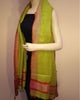
Lively Hand Dyed Pure Linen Orange Dupatta
Handcrafted at Indiehaat Bhagalpur Unit. Master Weaver: Danish.

Add versatility to your ensemble with our Handcrafted Pure Linen Plain Dupatta. Made from soft linen fabric, each dupatta offers a minimalist design, perfect for pairing with a variety of outfits, adding a touch of understated elegance to your look.
Work: Hand Dyeing
Measurements: Length: 2.3-2.4 meter
*Width: 35-36 inch
Fabric: Pure Linen
Package Contains: 1 Dupatta
Wash Care: Dry Clean Preferred or Gentle Handwash with Mild detergents. Wash separately. Dry in Shades.
Disclaimer:
Color hues may slightly vary from that which appears in the image due to different screens and displays
Minor irregularities is the uniqueness of handcrafted products and makes each piece exquisite
| Fabric / Material | Linen |
| Craft / Technique | Hand Dyeing |
| Colour | Orange |
| Origin / Cluster | Bhagalpur |
Exchange: *Easy exchange is available within 3 days of receiving the product.
*No exchanges on home decor items.
*Unboxing video is required.
Return: *Only for damaged/wrong products.
*Unboxing video required.
Learn More
What makes this one stand out?
It keeps the body a single solid orange and puts all the detail at the edges: wide green borders finished with a brighter green line, and white-and-pink tassels at the ends. The orange and green contrast is strong, so it carries a simple kurta on its own without needing much else.
How does the fabric look up close?
You will see the slubby texture typical of pure linen, small thicker threads that give the surface a slightly uneven, natural look. That texture catches the light softly rather than shining. It is a feature of handmade linen, not a flaw, and no two pieces are exactly alike.
What should I pair it with?
Orange and green are both warm, lively colours, so it sits well over white, cream, beige or soft green kurtas. A plain navy or indigo outfit also works if you like contrast. Keep prints on the kurta minimal so the borders stay the focus.
How should I wash it?
Dry cleaning is preferred. If you'd rather wash at home, hand wash gently in a mild detergent, keep it away from other clothes since it is hand dyed, and dry it in the shade. Don't wring it hard; press it while slightly damp for a smoother finish.
Will the shade match the photos exactly?
Close, but not always exactly. Screens show colours differently, and because each piece is dyed by hand, the orange can vary slightly in depth from one dupatta to the next. Small irregularities in the weave and dye are part of how handmade linen comes out.
Is it comfortable over a long workday?
Yes. Pure linen is known for its breathability and for keeping you cool in hot weather, and this dupatta looks light, so it is easy to wear from morning to evening. Linen also becomes softer and more supple with each wash.




More accessories in orange
View all 10% off
 26% off
 28% off
 28% off
 28% off
 22% off
 22% off
 22% off
Bright & playful accessories for everyday wear
View all 10% off
 10% off
 10% off
 25% off
 5% off
 5% off
 5% off
 5% off
Handcrafted by Bhagalpur artisans
View all 10% off
 20% off
 10% off
 26% off
 10% off
 10% off
 10% off
 10% off
RECENTLY VIEWED PRODUCTS
Accessories, All Products, Best Selling Products, Bhagalpur Accessories, Dupatta, Dupattas & Stoles, Everyday Accessories, Everyday Tints, Ganesha Chaturthi, Gudi Padwa Sale, Hand Dyed Pure Linen Plain Dupatta, Independence Day Sale, Linen Dupattas, New Arrivals, Newest Products, Office & Workwear Accessories, Orange Accessories, Playful Accessories, Playful Everyday Accessories, Playful Summer & Travel Accessories, Puthandu Sale, Republic Day Collection, Savan, Summer & Travel Accessories
