


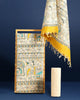
Wax Batik Hand Dyed Khadi Silk Pink Suit (T+B+D)
Handcrafted at Indiehaat Bhagalpur Unit. Master Weaver: Danish.

Step into style with our Handcrafted Khadi Silk Batik Suit. Featuring intricate batik designs on luxurious khadi silk fabric, each suit exudes sophistication and charm, perfect for special events and celebrations.
Work: Batik
Measurements: Top: 2.4-2.5 Meter Length, Width: 44-45 Inches, Bottom: 2.4-2.5 Meter Length, Width: 42 Inches, Dupatta: 2.3-2.4 Meter Dupatta, Width: 32-33 Inches
Fabric: Khadi Silk
Package Contains: Unstitched Fabric: Top + Bottom + Dupatta
Wash Care: Gentle Handwash with Mild detergents. Wash separately. Dry in Shades.
Disclaimer:
Color hues may slightly vary from that which appears in the image due to different screens and displays
Minor irregularities is the uniqueness of handcrafted products and makes each piece exquisite
| Fabric / Material | Khadi Silk |
| Craft / Technique | Wax Batik Print |
| Colour | Pink |
| Origin / Cluster | Bhagalpur |
Bandhani is a traditional tie-dye technique originating from India, characterized by small, intricate patterns formed by tightly tying sections of fabric with thread before dyeing. This labor-intensive process creates vibrant and unique designs, often used in clothing and textiles for special occasions.
Exchange: *Easy exchange is available within 3 days of receiving the product.
*No exchanges on home decor items.
*Unboxing video is required.
Return: *Only for damaged/wrong products.
*Unboxing video required.
Learn More
What does the batik pattern look like on this set?
A dense jaal of olive-green leaves and cream blooms covers the top, so the whole kurta reads as a rich, leafy all-over pattern. The dupatta is lighter, with scattered motifs and a floral band at the hem, which balances the busy top and keeps the full outfit from feeling heavy.
How is wax batik made, and why does every piece differ?
In wax batik, parts of the fabric are covered with wax by hand and then dyed, so the waxed areas resist the colour and form the pattern. It is a highly skilled, time-consuming craft, and because every step is done by hand, no two pieces come out identical.
What is in the set, and is it stitched?
It is an unstitched set of three khadi silk pieces: a top of 2.4 to 2.5 metres at 44 to 45 inches wide, a bottom of 2.4 to 2.5 metres at 42 inches wide, and a dupatta of 2.3 to 2.4 metres at 32 to 33 inches wide.
What should I tell my tailor?
With a dense all-over jaal, the pattern hides seams well, so you can choose a straight or A-line kurta without worrying about matching motifs. Keep the neckline simple, as the print does the talking. The 42-inch-wide bottom fabric works for a salwar, straight pants or palazzos.
How does khadi silk feel to wear?
Khadi silk has a gentle slub texture and a soft lustre, blending the feel of khadi with the sheen of silk. It sits comfortably through a full day, which makes it easy to wear for work, brunch and summer outings without feeling fussy.
How do I wash it?
Hand wash gently with a mild detergent, always separately, as that is the safest way to care for hand-dyed batik. Do not soak or wring it, and dry it in shade so the colours stay rich. A medium iron on the reverse keeps the khadi silk texture smooth.




Most-loved suits
View all 14% off
 41% off
 16% off
 16% off
 16% off
 14% off
 16% off
 16% off
RECENTLY VIEWED PRODUCTS
All Products, Batik, Best Selling Products, Everyday Tints, Ganesha Chaturthi, Khadi Muse, Khadi Silk Suit, Khadi Silk Suit Batik Print, New Arrivals, Newest Products, Printed & Painted Crafts, Puthandu Sale, Rakshabandhan Collection, Savan, Silk Dress Material, Suits & Dress Material, Suits and Dupatta, The Summer Affair, Valentine Edit, Valentines Edit Pink
