


Rajsi Roop Maheshwari Silk Suit (T+D) Green
Woven by master weaver Shirin in Mominpura, the weaving quarter of Maheshwar.

Elegant Maheshwari cotton silk top and dupatta set with a shimmering zari border. Lightweight, breathable, and luxurious, it blends tradition with sophistication, making it perfect for festive, wedding, or everyday ethnic wear.
Work: Handloom Weaving
Measurements: Top: 2.4-2.5 Meter Length, Dupatta: 2.4-2.5 Meter
Fabric: Maheshwari Cotton Silk
Package Contains: Unstitched Fabric: Top + Dupatta
Wash Care: Gentle Handwash with Mild detergents. Wash separately. Dry in Shades.
Disclaimer:
Color hues may slightly vary from that which appears in the image due to different screens and displays
Minor irregularities is the uniqueness of handcrafted products and makes each piece exquisite
| Fabric / Material | Maheshwari Cotton Silk |
| Craft / Technique | Handloom Weaving |
| Colour | Green |
| Origin / Cluster | Maheshwar |
**Handloom Weaving** is the traditional craft of creating fabric manually on a loom without industrial machinery. It reflects artistry, patience, and cultural heritage, often producing unique patterns and textures. Each piece carries slight variations, making it one-of-a-kind. Handloom weaving ensures sustainability, supports artisans, and preserves centuries-old textile traditions across regions.
Exchange: *Easy exchange is available within 3 days of receiving the product.
*No exchanges on home decor items.
*Unboxing video is required.
Return: *Only for damaged/wrong products.
*Unboxing video required.
Learn More
How does the teal top pair with the olive dupatta?
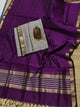
Teal and olive sit close on the colour wheel, so the set looks rich without shouting. The dupatta is striped in teal, which links it back to the top, and a thin gold edge adds a little light. A cream or teal bottom keeps it calm; a mustard or gold bottom warms it up.
How are the ends of the dupatta finished?
Each end has a gold zari edge, then a teal stripe band woven into the olive body, and the corners finish in tassels. It is a quiet, woven detail rather than heavy work, so it shows best when you let one end fall in front over the shoulder.
How much fabric do I get for the kurta, and what should I tell my tailor?
The top piece is 2.4 to 2.5 metres long and comes unstitched, along with the dupatta. Share that length with your tailor before deciding the cut so they can plan the kurta length and sleeves together. Ask them to finish the seams neatly so the kurta wears well.
Does the top need a lining?
Maheshwari cotton silk is a lightweight weave, and a lining is not included in the set. A soft cotton lining gives the kurta more body and opacity and makes it sit better, which many people prefer for office wear. Pick a lining close to the teal so it does not show at the neckline or hem.
Is the dupatta long enough to drape in different ways?
At 2.4 to 2.5 metres it gives you room to drape it over one shoulder, across both shoulders, or pinned in a V at the front. The tasselled ends hang nicely when left loose, and the soft cotton silk fall means it does not stand stiff away from the body.
Why might my set look a little different from the photos?
Every set is woven by hand, so small irregularities in the weave or the stripe spacing are part of the craft and no two pieces are exactly alike. Colour can also look slightly different on different phone and laptop screens, so the teal and olive may read a touch warmer or cooler in person.



More suits in green
View all 9% off
 17% off
 21% off
 24% off
 12% off
 12% off
 23% off
 15% off
Earthy-toned suits for festive days
View all 13% off
 14% off
 14% off
 7% off
 24% off
 13% off
 7% off
 25% off
Handcrafted by Maheshwar artisans
View all 32% off
 23% off
 32% off
 23% off
 23% off
 32% off
 32% off
 23% off
RECENTLY VIEWED PRODUCTS
All Products, Best Selling Products, Earthy Festive Suits, Earthy Office & Workwear Suits, Earthy Suits, Evening & Dinner Suits, Festive Suits, Ganesha Chaturthi, Green Suits, Gudi Padwa Sale, Handloom Weaves, Handwoven Crafts, Independence Day Sale, Kitty & Brunch Suits, Maheshwar Suits, Maheshwari Handloom Weaving Suits, New Arrivals, Newest Products, Office & Workwear Suits, Puthandu Sale, Rakshabandhan Collection, Rang Rasiya, Republic Day Collection, Savan, Silk Dress Material, Suits & Dress Material, Suits and Dupatta, The Summer Affair, Ugadi Sale
