Women Weavers Adapt to Market Shifts With Contemporary Motifs

Quick Listen:
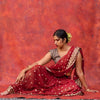
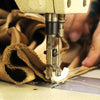
In the bustling courtyards of Pochampally village in Telangana, India, the steady rhythm of wooden looms echoes through the air like a timeless melody. Here, groups of women weavers, their fingers deft and experienced, transform colorful yarns into intricate fabrics that carry tales of ancestral legacy, daily hardships, and bold innovation. This ancient craft, deeply embedded in India's cultural fabric, has long defined communities across the nation. Yet, in an era dominated by rapid industrialization and fleeting fashion trends, these artisans are pioneering change by incorporating modern motifs into their work. Their creations now captivate not only local buyers in bustling cities like Mumbai but also international audiences scrolling through digital storefronts. This evolution goes beyond mere aesthetics it's a strategic response to ensure the survival of handloom traditions amid the relentless advance of machine-made alternatives.
Fast fashion erodes cultural heritage, sidelining artisans and reducing traditions to trends. At IndieHaat, we champion India's craftspeople with handcrafted sarees, apparel, décor, and skincare rooted in authenticity. Each piece embodies skill and ethical care. Support artisans and preserve India's timeless legacy Shop Now!
Women Weavers Embrace Contemporary Motifs to Thrive
India's textiles industry stands as one of the most ancient pillars of its economy, spanning centuries with a rich diversity that ranges from artisanal hand-spun and hand-woven segments to advanced, capital-heavy mills. The core resilience of this sector lies in its extensive production capabilities, covering a broad spectrum of fibers from natural options such as cotton, jute, silk, and wool to synthetic varieties like polyester, viscose, nylon, and acrylic. This versatility is bolstered by strong connections to agriculture for raw materials like cotton and the nation's deep-rooted cultural heritage in textile arts, setting it apart from other industries. With the capacity to manufacture an array of products tailored for various market needs both domestically and globally, the sector employs over 45 million people and benefits from comparative advantages in skilled labor and cost efficiency.
Recent trends highlight the strong momentum in India's textile and apparel sector. Cotton production is set to rise steadily over the coming years, supporting the industry's broader expansion, with both domestic demand and global exports on the upswing. Ready-made garments continue to anchor growth, followed by cotton and man-made textiles, reflecting the sector's diverse strengths. Policy support has been a central driver ranging from full foreign direct investment under the automatic route to increased budget allocations and long-term missions aimed at boosting productivity and reducing import dependence. Together, these efforts underscore the government's intent to position India as a leading force in the global textile market.
The handloom sector stands as one of India's largest unorganized industries and its most prominent cottage-based enterprise. With millions of looms spread across the country, it remains the second-largest source of livelihood in rural areas, sustaining millions of artisans and allied workers whose skills keep this heritage craft alive. Indian handloom artisans, renowned worldwide for their distinctive hand-spinning, weaving, and printing methods, hail from small towns and villages where skills are handed down across generations. This sector preserves the vibrant essence of Indian culture through exceptional craftsmanship.
Women have traditionally dominated this field, excelling in techniques like the ethereal jamdani from Bengal or the complex ikat from Odisha. Their expertise, inherited through family lines, embodies a commitment to quality and tradition. However, as global preferences shift toward sleeker, more versatile designs, these weavers are innovating by merging age-old patterns drawn from nature and ancient myths with minimalist and geometric elements. This approach attracts younger demographics in urban centers and eco-conscious consumers abroad who prioritize sustainable, artisanal items over mass-produced ones.
A New Thread in an Ancient Craft
In regions like Chanderi in Madhya Pradesh, women-led cooperatives are pivoting from elaborate, traditional embellishments to streamlined, abstract compositions. Their scarves and saris, previously laden with floral and paisley motifs, now showcase crisp lines and vibrant color contrasts, appealing to upscale retailers in Delhi and fashion houses in Paris. Similarly, in Pochampally, partnerships with innovative startups have led to the development of handwoven accessories and interior textiles that fuse ikat's distinctive zigzag forms with current styles. These changes exemplify a widespread movement toward hybrid designs that honor heritage while aligning with today's visual preferences.
The digital landscape has revolutionized access for these artisans. Platforms like Instagram, where vivid weave displays go viral, and online marketplaces such as Etsy, offering custom cushions and throws, have democratized global sales. The surge in sustainable fashion consciousness amplifies this, as shoppers increasingly opt for ethically sourced options that counter the environmental toll of fast fashion. Projections from Crisil Ratings indicate that the organized retail apparel segment could see 8-10% revenue expansion in FY25, fueled by favorable weather patterns, stabilizing prices, and peak festive and wedding periods. For female weavers, this presents prime avenues to penetrate both local and overseas markets, bolstering economic independence.
Consider the weaving collectives in Kutch, Gujarat, where women collaborate with forward-thinking designers to produce scarves and table linens infused with softened, nature-derived motifs in subdued palettes. Marketed via specialized artisan portals, these items have gained traction in European and American homes. Beyond financial gains, such ventures foster empowerment, enabling women to assume managerial positions and evolve from mere craftspeople into savvy business leaders within their locales.
Weaving Through Challenges
Nevertheless, the journey toward modernization is riddled with complexities. Striking a balance between genuine tradition and fresh innovation demands careful navigation. As highlighted by seasoned designer Ritu Kumar in a discussion on handloom revival, rejuvenating classics like the Banarasi sari requires eliminating contemporary alterations to reclaim its inherent softness, opulence, and allure. Kumar, influential in couture for half a century, has collaborated with Varanasi weavers since the early 2000s to refine silk fabrics, advocating for the return to hand-twisted Murshidabad silk over stiffer Chinese variants. She remarked, “The traditional Varanasi sari was such that you could wrap it and put it in your handbag. It was so pliable because it was often meant for 16- to 18-year-old brides who were petite.” For numerous weavers, the drive to update risks eroding the profound cultural narratives woven into their pieces. A jamdani sari, with designs steeped in Bengal's folklore and natural world, transcends material it's a conduit of legacy. Radical modifications might fracture this vital link.
Resource constraints pose additional barriers. Rural artisans often lack exposure to advanced design training or digital marketing resources essential for online visibility. Logistical bottlenecks, including procuring eco-friendly dyes and sustainable fibers, exacerbate production woes. Moreover, the competition from inexpensive, factory-made fabrics persistently erodes market share. While some cooperatives flourish in metropolitan arenas, many others grapple with these pressures, underscoring the need for systemic interventions.
Opportunities in a Global Marketplace
Amid these hurdles, adaptive strategies herald promising horizons. Skill-enhancement programs, backed by non-governmental organizations and state-sponsored workshops, are arming women with cutting-edge methods to foster creativity. E-commerce giants like Amazon's Karigar initiative and Flipkart's Samarth program are facilitating connections between isolated creators and worldwide clientele. The escalating demand for eco-friendly, handcrafted wares illustrated by the enduring charm of Odisha's ikat fabrics, as featured in an exhibition at Delhi's National Crafts Museum provides a crucial boost. These textiles, adorned with detailed fish patterns and striking visuals, are being repurposed into modern essentials like wall art and furniture covers.
The "Patta-Bandha The Art Of Indian Ikat" exhibition, curated by Mayank Mansingh Kaul, showcases over 30 pieces from the 20th century onward, including a red silk scroll by weaver Sudam Guin from Nuapatna, Odisha, woven with the Twenty Point Programme and traditional motifs. Collaborations with entities like the Devi Art Foundation emphasize ikat's historical depth, traceable to Ajanta cave murals, and its versatility across regions like Gujarat's patola and Andhra Pradesh's telia rumal.
Diversification remains pivotal. Venturing beyond clothing, women weavers are venturing into home furnishings, personal accessories, and innovative applications like skincare product wrappers, thereby broadening their footprint in the artisan marketplace. Equitable trade frameworks and governmental aids ranging from material subsidies to fiscal incentives for groups stand to magnify these endeavors. By intertwining classic methodologies with current aesthetics, these craftspeople are safeguarding their art form while amplifying its international presence.
A Tapestry of Resilience and Reinvention
As the looms in Pochampally, Chanderi, and Kutch continue their harmonious cadence, they craft a saga of unyielding spirit. Women weavers are transcending mere adaptation to economic fluxes; they are reshaping the essence of artisanship in the modern age. Their outputs be it a jamdani sari for ceremonial splendor or an ikat accent in a cosmopolitan abode serve as conduits between eras. Jamdani, originating from Bengal with roots in Persian etymology meaning "flower vase," features motifs like panna hajar and kalka, woven via supplementary weft techniques that can take months to complete. Recognized by UNESCO in 2013 as intangible heritage, its revival addresses challenges like low wages through government subsidies and GI tagging, as noted by experts like Dr. Sadhna and Dr. Chandra Shekhar K E.
Progress requires concerted efforts: enhanced policies, ethical commerce, and deepened alliances with creatives and online channels. Yet, the artisans at the forefront are demonstrating remarkable prowess. With resilient hands guiding each thread, they are authoring a fresh epoch in India's textile narrative one that reveres origins while aspiring globally. In every weave, we witness not merely cloth but a dynamic affirmation of ingenuity, adaptation, and the timeless vitality of creative endeavor.
Frequently Asked Questions
How are Indian women weavers modernizing traditional handloom textiles?
Indian women weavers are incorporating contemporary motifs and minimalist designs into their traditional crafts, blending age-old patterns with geometric elements and vibrant color contrasts. For example, weavers in Chanderi are creating streamlined compositions instead of elaborate traditional embellishments, while Pochampally artisans are fusing ikat's distinctive zigzag forms with current styles. This innovation helps attract younger urban demographics and eco-conscious international consumers while preserving their cultural heritage.
What role does digital marketing play in handloom textile sales?
Digital platforms have revolutionized market access for handloom artisans, with Instagram showcasing viral weave displays and online marketplaces like Etsy enabling global custom sales. E-commerce giants like Amazon's Karigar initiative and Flipkart's Samarth program connect isolated creators with worldwide clientele. This digital transformation allows women weavers to reach both local and international markets, supporting their economic independence and business growth.
What challenges do traditional handloom weavers face in adapting to modern markets?
Handloom weavers face the delicate balance of preserving cultural narratives while updating designs, as radical modifications risk eroding the profound heritage woven into their pieces. Additional barriers include limited access to advanced design training, digital marketing resources, logistical issues with eco-friendly materials, and persistent competition from inexpensive factory-made fabrics. Many rural artisans also struggle with resource constraints that affect their ability to compete in metropolitan markets.
Disclaimer: The above helpful resources content contains personal opinions and experiences. The information provided is for general knowledge and does not constitute professional advice.
You may also be interested in: Fusion Ethnic Wear: Blending Tradition with Modern Trends
Fast fashion erodes cultural heritage, sidelining artisans and reducing traditions to trends. At IndieHaat, we champion India's craftspeople with handcrafted sarees, apparel, décor, and skincare rooted in authenticity. Each piece embodies skill and ethical care. Support artisans and preserve India's timeless legacy Shop Now!
Powered by flareAI.co