Why Traditional Indian Crafts Remain Globally Admired
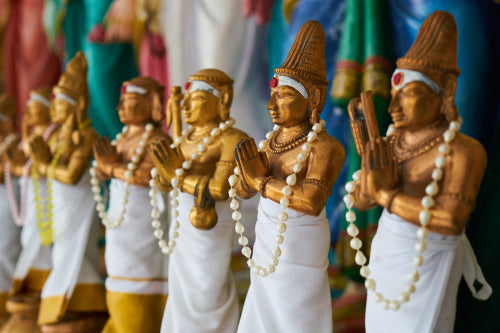
Why Traditional Indian Crafts Remain Globally Admired is a story about more than decorative appeal. It reflects the lasting connection between human creativity, cultural memory, and the desire for products that carry meaning. Traditional Indian crafts continue to attract attention because they preserve techniques developed through generations while offering a sense of authenticity that is increasingly valued in contemporary fashion, interiors, and lifestyle choices.
From handwoven textiles and intricate embroidery to regional art forms and artisan-made objects, Indian craftsmanship represents a relationship between skill and storytelling. Every craft carries the influence of a community, a landscape, and a method refined over time. This combination of heritage and individuality explains why Indian handicrafts globally admired by audiences continue to inspire designers, consumers, and creative communities.
Fast fashion erodes cultural heritage, sidelining artisans and reducing traditions to trends. At IndieHaat, we champion India's craftspeople with handcrafted sarees, apparel, décor, and skincare rooted in authenticity. Each piece embodies skill and ethical care. Support artisans and preserve India's timeless legacy Shop Now!
The Cultural Depth Behind Traditional Indian Crafts
Traditional Indian crafts are closely connected with the cultural identity of the communities that create them. Craft techniques are often shaped by local materials, regional histories, and knowledge passed between generations. Unlike factory-made products designed for uniformity, handmade creations often reflect the personal decisions, expertise, and creative expression of the artisan.
This cultural depth gives Indian crafts a distinct place in global conversations around design and responsible consumption. Consumers are increasingly interested in understanding where products come from, who made them, and what stories they represent. A handcrafted textile, accessory, or home décor piece becomes more than an item; it becomes a connection to a tradition and the people who sustain it.
The continued appreciation of heritage crafts of India comes from this ability to combine beauty with meaning. Craft traditions offer a reminder that design can be both functional and deeply connected to history.
Why Indian Handicrafts Continue to Attract Global Attention
The global appreciation of Indian handicrafts is driven by qualities that are difficult to replicate through mass production. Detailed workmanship, unique techniques, and regional character create products that feel distinctive. Modern consumers looking for originality often value the imperfections and variations that naturally come with handmade work.
Indian textiles have played an important role in this recognition. Historical weaving traditions, including celebrated regional styles, demonstrate how craftsmanship can achieve both technical excellence and artistic expression. Handloom continues to represent patience, skill, and generational knowledge. An article in handloom global growth highlights how Indian weaving traditions have long represented cultural strength while adapting to contemporary opportunities.
Another reason for the popularity of traditional Indian crafts is their adaptability. Crafts can evolve without losing their original identity. Designers and artisans can reinterpret colours, patterns, materials, and forms for new audiences while maintaining the core techniques that make each craft unique.
The Role of Artisan Craftsmanship in Modern Design
Indian artisan craftsmanship demonstrates how traditional knowledge can remain relevant in modern creative industries. Artisans contribute not only technical skills but also cultural understanding, making each piece a reflection of a particular craft practice.
For contemporary fashion and lifestyle brands, working with handmade traditions creates opportunities to offer products with stronger narratives. Consumers are not only choosing a visual style; they are often choosing craftsmanship, heritage, and the human effort behind the final creation.
Traditional Indian art and textiles have also found new expressions through modern styling. Clothing, accessories, and décor inspired by heritage techniques can move between traditional settings and contemporary environments. This flexibility allows crafts to remain connected to their origins while reaching audiences with different tastes and lifestyles.
The growth of digital platforms has further expanded visibility for artisan communities. Online spaces allow craftspeople and curated marketplaces to introduce regional techniques to customers who may not have previously encountered them. This creates new pathways for appreciation while keeping attention focused on the value of handmade work.
How Tradition and Sustainability Connect
Sustainable Indian crafts appeal to audiences who are becoming more thoughtful about consumption choices. Handmade production often involves close attention to materials, processes, and durability. Many traditional techniques naturally encourage careful creation rather than rapid replacement.
The appeal of Indian handmade traditions is also connected to the growing interest in products with a clear origin. When consumers understand the process behind an item, they can appreciate the resources, time, and expertise involved in creating it.
Sustainability in crafts is not only about materials. It is also about preserving knowledge systems and supporting the continuation of specialised skills. When traditional techniques remain valued, communities have stronger opportunities to maintain craft practices and pass them to future generations.
Handloom provides an example of how heritage and modern relevance can work together. The Hindu article on weaving traditions notes that the sector supports more than 35 lakh weavers, with nearly three-quarters being women, while also adapting through improved tools, skill development, and digital opportunities. Handloom artisan networks illustrate how traditional practices can continue contributing to creative economies.
Traditional Fashion Finds New Global Expressions
Indian fashion traditions continue to influence contemporary style because they offer versatility as well as visual richness. Garments such as saris, lehengas, and anarkalis have moved beyond ceremonial contexts and gained wider appreciation through creative styling and modern interpretations.
Social media has played an important role in introducing traditional Indian clothing to new audiences. Designers, creators, and fashion enthusiasts share different approaches to wearing and presenting heritage garments, allowing traditional styles to be explored in fresh ways.
The continued visibility of Indian clothing reflects a broader shift in fashion: consumers are increasingly drawn to pieces that have cultural significance and creative depth. Traditional designs can be adapted for different occasions while preserving the craftsmanship that defines them.
The fashion social influence of Indian clothing demonstrates how digital storytelling and creative interpretation can expand appreciation for heritage styles. This connection between tradition and modern expression helps explain why Indian crafts remain relevant across changing fashion preferences.
Preserving Craft Heritage Through Conscious Choices
The future of traditional Indian crafts depends on continued recognition of the value behind handmade creation. Consumers, designers, and businesses all play a role in keeping craft traditions visible by choosing products that respect skill, originality, and cultural context.
For shoppers, understanding the story behind a craft can transform the buying experience. Instead of selecting only based on appearance, they can consider the technique, community, and tradition represented by the product. This creates a deeper relationship between creator and consumer.
For curated platforms focused on handcrafted goods, the opportunity lies in helping audiences discover authentic work while making artisan stories easier to access. Education, transparency, and thoughtful presentation can help bridge the distance between traditional craft communities and modern consumers.
IndieHaat's focus on handcrafted apparel, accessories, home décor, and artisan-made products connects naturally with this broader appreciation for craftsmanship. By highlighting the cultural value behind handmade creations, the brand aligns with audiences interested in authentic Indian artistry and meaningful design choices.
The Enduring Appeal of Indian Craftsmanship
Traditional Indian crafts remain globally admired because they represent a rare combination of history, creativity, and human expertise. They show that craftsmanship can survive changing trends when it continues to offer something meaningful: originality, cultural connection, and a sense of place.
As consumers look beyond mass-produced choices, heritage crafts provide an opportunity to experience design through a different lens. They celebrate the people, techniques, and stories that shape each creation. The continued appreciation of Indian crafts is ultimately a recognition of the value of skilled hands and the traditions they preserve.
Frequently Asked Questions
Why are traditional Indian crafts admired around the world?
Traditional Indian crafts are admired globally because they combine cultural heritage, skilled craftsmanship, unique techniques, and meaningful storytelling. Handmade textiles, accessories, and artisan products offer a sense of authenticity and individuality that is difficult to replicate through mass production.
How do Indian artisan craftsmanship and heritage crafts of India remain relevant today?
Indian artisan craftsmanship remains relevant by adapting traditional methods to modern fashion, lifestyle, and design preferences. Heritage crafts of India continue to connect consumers with regional traditions while allowing artisans to preserve specialised skills and creative practices.
Why are sustainable Indian crafts becoming more popular among consumers?
Sustainable Indian crafts are gaining attention because consumers increasingly value products with clear origins, thoughtful production methods, and lasting cultural significance. Handmade traditions highlight careful material use, artisan knowledge, and the importance of preserving craft communities for future generations.
Disclaimer: The above helpful resources content contains personal opinions and experiences. The information provided is for general knowledge and does not constitute professional advice.
You may also be interested in: The Significance of GI-tagged Sarees in Cultural Preservation
Fast fashion erodes cultural heritage, sidelining artisans and reducing traditions to trends. At IndieHaat, we champion India's craftspeople with handcrafted sarees, apparel, décor, and skincare rooted in authenticity. Each piece embodies skill and ethical care. Support artisans and preserve India's timeless legacy Shop Now!
Powered by flareAI.co