Why IndieHaats Silk Sarees Justify Their Premium Price
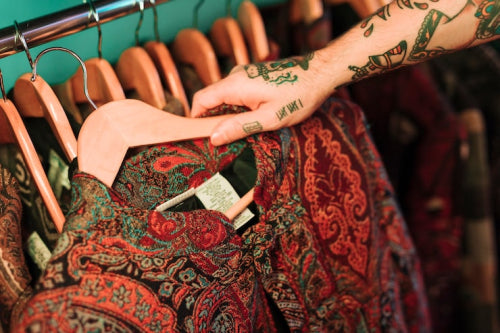
Drape a silk saree, and you're not just wearing fabric you're cloaking yourself in centuries of tradition, artistry, and human touch. Each fold tells a story of meticulous craftsmanship, from the rhythmic clack of a loom in Varanasi to the patient hands dyeing threads in Mysore. Yet, when the price of a handwoven saree from IndieHaat, a Bangalore-based curator of India's artisanal heritage, runs higher than a mass-produced alternative, skepticism creeps in. Why pay a premium for something you can't touch before buying? The answer lies not in the silk alone but in the values woven into every thread authenticity, sustainability, and empowerment.
The Surge of Ethical Fashion
The global fashion landscape is shifting. Consumers, especially millennials and Gen Z, are turning away from disposable trends toward pieces that carry meaning. In India, where textiles are the second-largest employer after agriculture, handwoven sarees are at the heart of this revival. A Fortune Business Insights report pegs the global handloom sarees market at USD 3.72 billion in 2024, with Asia Pacific holding a commanding 68.82% share. Projections show growth to USD 7.29 billion by 2032, fueled by demand for sustainable, authentic craftsmanship.
IndieHaat rides this wave, curating sarees that embody India's cultural soul. Unlike mass-market platforms like Amazon or ONDC, IndieHaat's rigorous vetting ensures every saree be it a Tussar with its earthy sheen or a Banarasi glittering with gold zari meets exacting standards. Search trends for “handwoven silk saree” and “authentic handloom sarees” reflect this hunger for heritage, particularly in India, the US, UK, Australia, Singapore, and the UAE, where IndieHaat's reach is expanding.
Craftsmanship That Commands a Premium
What justifies the price of IndieHaat's premium silk sarees? It begins with the artisans. Consider the Banarasi sari, a masterpiece of silk and gold-wrapped yarn. Crafting one can take anywhere from 15 days to six months, depending on the intricacy of its floral motifs or jhallar borders, as detailed in a Wikipedia entry on Banarasi saris. Each saree is a labor of love, woven by hand on traditional looms, far removed from the whirring machines of fast fashion.
IndieHaat sources directly from artisan communities, ensuring fair wages and ethical working conditions. In Mysore, where Karnataka accounts for 45% of India's mulberry silk production 9,000 metric tons annually, per a Wikipedia overview of Mysore silk IndieHaat partners with weavers under the Karnataka Silk Industries Corporation. This direct model cuts out exploitative middlemen, channeling more value to the creators. The use of natural, biodegradable fabrics like silk, linen, and cotton further distinguishes IndieHaat, offering an eco-friendly antidote to synthetic-heavy fast fashion.
The process is time-intensive. Natural dyeing, manual weaving, and intricate finishing can stretch production over weeks. Each saree is a limited-edition piece, often bearing unique motifs tied to regional heritage think Kanjeevaram's temple-inspired patterns or Tussar's nature-driven designs. These aren't just garments; they're heirlooms, crafted to endure.
Stories in Every Weave
Imagine a bride in Australia, her IndieHaat Banarasi saree catching the light as she walks down the aisle, its gold threads a testament to Varanasi's artistry. Or a professional in London, draping a linen saree for a cultural event, its understated elegance a quiet assertion of identity. These are the customers IndieHaat serves people who see their purchase as a connection to India's heritage.
Social media amplifies this bond. On Instagram, alongside accounts like @varshaoak and @drminimalhotra, IndieHaat shares glimpses of artisans at work hands threading looms, dyes steeping in vats. These posts don't just showcase products; they narrate the lives behind them, like a weaver in Tamil Nadu preserving her grandmother's techniques. This storytelling resonates across IndieHaat's target markets, from India to the UAE, building a community of buyers who value meaning over mass production.
Tackling Doubts Head-On
Not everyone is sold. Common objections, as IndieHaat's internal analysis notes, include high pricing, doubts about authenticity, and the inability to touch fabrics before purchase. “Why spend thousands when I can get a saree for less on a marketplace?” some ask. Others wonder if “handmade” is just a marketing flourish.
IndieHaat responds with radical transparency. Their website and social channels spanning Instagram, Facebook, and YouTube feature artisan profiles, weaving videos, and detailed origin stories. A Mysore silk saree, for instance, might come with notes on its mulberry silk, produced under strict quality controls, as verified by Mysore silk documentation. High-resolution images and thorough fabric descriptions address the tactile gap, while flexible return policies ease concerns. This openness dismantles the trust deficit, proving that every saree is a genuine work of art.
Empowering Communities, Preserving Heritage
Every IndieHaat purchase ripples beyond the buyer. By prioritizing women weavers and rural artisans, the brand fuels economic empowerment. The IMARC Group report forecasts the India saree market to grow from USD 5.76 billion in 2024 to USD 10.33 billion by 2033, with a 6.70% CAGR. IndieHaat's ethical sourcing positions it as a leader in this space, supporting communities while reviving fading techniques.
In Varanasi, artisans crafting Banarasi saris preserve intricate designs that might otherwise vanish. In Mysore, weavers contribute to Karnataka's robust silk output, sustaining a tradition reinvigorated since Tipu Sultan's era. IndieHaat's premium pricing directly funds these efforts, ensuring artisans can thrive, not just survive.
The global silk market, valued at USD 22,269.00 million in 2024 per a Reanin report, underscores the enduring appeal of silk-based crafts. IndieHaat's focus on mulberry and Tussar silk aligns with this demand, offering buyers a chance to own a piece of this legacy.
A Legacy Worth the Price
IndieHaat's silk sarees aren't just fashion they're a statement. They bridge generations, connecting the weaver's loom to the wearer's life. The premium price reflects not just the silk but the hands that crafted it, the communities it uplifts, and the traditions it preserves. In a world chasing fleeting trends, these sarees are timeless.
As the handloom market surges toward USD 7.29 billion by 2032, IndieHaat stands as a beacon of what fashion can be: ethical, meaningful, enduring. So, the next time you consider a saree, ask yourself: is it just fabric, or is it a legacy? With IndieHaat, it's unmistakably the latter. Visit their Instagram or website to explore a collection where every weave tells a story, and every purchase makes a difference.
Frequently Asked Questions
Why are IndieHaat silk sarees so expensive compared to other brands?
IndieHaat's silk sarees command premium prices because they're handwoven by skilled artisans using traditional techniques that can take 15 days to 6 months to complete. The brand sources directly from artisan communities, ensuring fair wages and authentic craftsmanship, while using natural, biodegradable fabrics like mulberry silk and incorporating intricate designs unique to each region. This ethical sourcing model and commitment to preserving traditional weaving techniques justifies the higher cost compared to mass-produced alternatives.
How can I be sure IndieHaat sarees are authentic handloom products?
IndieHaat ensures authenticity through radical transparency and rigorous vetting processes that distinguish them from mass-market platforms. They provide detailed artisan profiles, weaving videos, and comprehensive origin stories for each saree, including documentation of materials like Mysore silk produced under strict quality controls. Their direct partnerships with weaver communities and extensive social media presence showcasing the actual crafting process demonstrate genuine handloom authenticity rather than marketing claims.
What makes handwoven silk sarees a sustainable fashion choice?
Handwoven silk sarees represent sustainable fashion through their use of natural, biodegradable fabrics and time-honored production methods that have minimal environmental impact. Unlike fast fashion, these sarees are crafted as limited-edition, heirloom-quality pieces designed to last generations rather than seasons. The traditional weaving process supports rural artisan communities economically while preserving cultural heritage, making each purchase an investment in both environmental sustainability and social responsibility.
Disclaimer: The above helpful resources content contains personal opinions and experiences. The information provided is for general knowledge and does not constitute professional advice.
You may also be interested in: Eco-Friendly Apparel Gains Traction Among Conscious Consumers
Fast fashion erodes cultural heritage, sidelining artisans and reducing traditions to trends. At IndieHaat, we champion India's craftspeople with handcrafted sarees, apparel, décor, and skincare rooted in authenticity. Each piece embodies skill and ethical care. Support artisans and preserve India's timeless legacy Shop Now!
Powered by flareAI.co