Why Handmade Still Matters in an Age of Mass-Produced Fashion
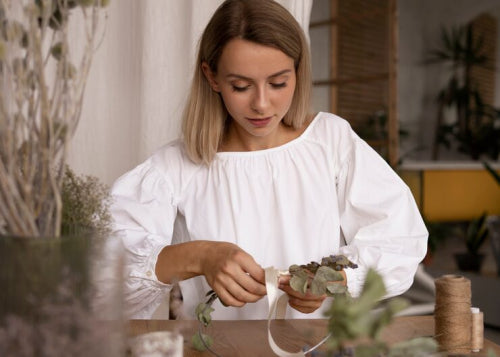
In a quiet village in West Bengal, a weaver's hands dance across a loom, crafting silk threads into a saree that carries centuries of tradition. Thousands of miles away, a woman in Dubai swipes through her phone, captivated by the vibrant hues of that same saree on IndieHaat's platform. This connection between artisan and buyer, heritage and modernity defines a growing movement. In a world flooded with fast fashion's disposable trends, handmade clothing stands as a testament to craftsmanship, sustainability, and cultural pride. Handicraft traditions, like India's 5,000-year-old Dhokra metal casting, remind us that creating with hands isn't just a craft it's a legacy.
The Rise of Slow Fashion
Fast fashion has long dominated closets worldwide, offering cheap, trend-driven clothing at a steep cost: environmental harm and exploitative labor. Yet, a shift is underway. Consumers in IndieHaat's core markets India, the US, UK, Singapore, Australia, and the UAE are embracing slow fashion. They're drawn to pieces that last, tell stories, and tread lightly on the planet. A 2024 IMARC Group report values the North America handicrafts market at USD 361.0 billion, projecting growth to USD 768.0 billion by 2033 with a CAGR of 8.7%. This boom stems from a craving for eco-friendly, handcrafted goods think IndieHaat's hand-embroidered blouses or organic cotton sarees made from pure linen, silk, and cotton.
Why the change? Climate awareness is one driver, pushing buyers toward sustainable materials like biodegradable fabrics. But it's also about connection. Shoppers want authenticity, a story woven into every stitch. Social media platforms like Instagram, Facebook, and YouTube amplify this, with IndieHaat customers following artisans like @anilarubyraj or @varshaoak to glimpse the hands behind their purchases. The global handicrafts market, valued at USD 739.95 billion in 2024 and expected to reach USD 983.12 billion by 2030 with a 4.9% CAGR, reflects this demand for meaningful craftsmanship, per a Grand View Research report.
Artisans Connecting Worlds
Imagine a Dubai professional draping a naturally dyed linen saree from West Bengal, its colors echoing ancient techniques. Or a UK influencer showcasing a handwoven dupatta on Instagram, her followers mesmerized by its intricate patterns. These moments, facilitated by IndieHaat, transcend mere transactions they're cultural bridges. The platform's curated offerings, from silk scarves to organic loungewear, emphasize what sets it apart: items sourced directly from artisans, unique designs, and authentic fabrics. This aligns with a broader trend. A 2024 AP News report highlights Nest Inc., a nonprofit that, since its 2005 founding with a $24,000 grant, has empowered 345,000 artisans mostly women across 125 countries, helping them build sustainable businesses.
IndieHaat mirrors this mission, linking rural artisans with global buyers. One artisan from Rajasthan shared how her hand-stitched kurtas, sold through IndieHaat, funded her son's schooling. A customer in Singapore described her handwoven shawl as “a piece of someone's heart.” These stories resonate in a market where consumers, especially women who drive 65% of the global decorated apparel market's revenue, per a 2023 Grand View Research report seek personalized, meaningful purchases.
Navigating the Challenges
Scaling handmade fashion isn't easy. Artisans often lack the tech savvy or resources to navigate e-commerce, grappling with inconsistent supply chains or delayed deliveries. Customers, meanwhile, hesitate. “Is it worth the higher price?” they wonder, unable to touch the fabric. Trust issues persist, fueled by counterfeit marketplaces that mimic authentic craftsmanship. IndieHaat's prospect objections high pricing, trust deficits, and the inability to feel products reflect these hurdles. Yet, the platform counters with rigorous quality checks and transparent storytelling, like artisan videos on Instagram Reels that showcase the creation process.
The stakes are high. The global handmade handbags market, valued at USD 1.8 billion in 2024 and projected to hit USD 3.5 billion by 2033 with a 7.7% CAGR, thrives on authenticity, per a Business Research Insights report. But fakes threaten this trust. IndieHaat builds credibility through verified listings and influencer partnerships, like those with @drminimalhotra, ensuring buyers know their purchase supports real artisans. Still, the tactile barrier remains. A UAE customer admitted she paused before ordering a silk blouse, fearing it wouldn't match its online image. When it arrived, she called it “a masterpiece.”
Handmade as a Market Differentiator
In the crowded e-commerce landscape, IndieHaat's focus on handmade fashion is a bold edge. Limited-edition collections and seasonal exclusives create excitement, while direct-to-customer narratives shared via email campaigns and Instagram Stories build loyalty. The platform's strategy taps into a growing appetite for personalized clothing, with the global decorated apparel market expected to soar from USD 28.98 billion in 2023 to USD 68.17 billion by 2030, driven by a 13.0% CAGR. Asia Pacific, holding a 36.7% share in 2023, leads this charge, fueled by rich artisanal traditions.
IndieHaat's impact extends beyond sales. By championing fair trade and sustainable materials, it aligns with conscious consumerism a trend driving demand for eco-friendly, ethically made goods. Collaborations with influencers and artisan-focused content humanize the brand, making each purchase feel personal. A buyer in Australia described her IndieHaat scarf as “more than fabric it's a story.” This emotional connection, paired with strategic digital storytelling, positions IndieHaat as a leader in the handmade revolution.
The Future of Fashion Is Handmade
“Every weave carries my village's spirit,” an IndieHaat artisan from Varanasi said, her hands dyed with natural indigo. Her words capture the essence of handmade fashion: it's not just clothing, but a link to culture, identity, and purpose. In a world chasing fleeting trends, IndieHaat offers permanence pieces that endure, stories that resonate. The global handicrafts market's projected growth to USD 983.12 billion by 2030 signals a future where craftsmanship trumps mass production. For buyers in the US, UK, or India, choosing handmade is a stand against disposability, a nod to sustainability, and a celebration of human skill.
IndieHaat isn't just selling sarees or scarves. It's weaving a global tapestry, connecting artisans to buyers who value meaning over convenience. As technology amplifies these voices through Instagram's reach or e-commerce's ease the handmade movement gains momentum. In the end, it's about more than fashion. It's about honoring the hands that create, the cultures they carry, and the planet they protect. That's a legacy worth wearing.
Frequently Asked Questions
Why is handmade fashion more expensive than mass-produced clothing?
Handmade fashion costs more because each piece requires skilled artisans to craft items individually using traditional techniques, quality materials like organic cotton and natural silk, and fair trade practices that ensure artisans receive living wages. Unlike fast fashion's automated production, handmade pieces take time to create and represent centuries of cultural craftsmanship, making them investment pieces that last longer and tell authentic stories.
How can I verify that handmade fashion items are authentic and not counterfeit?
Look for platforms that provide transparent storytelling about their artisans, such as videos showing the creation process, verified artisan profiles, and direct sourcing information. Authentic handmade fashion retailers often share the artisan's story, location, and traditional techniques used, while also conducting rigorous quality checks and partnering with verified craftspeople to ensure genuine handcrafted products.
What makes handmade fashion more sustainable than fast fashion?
Handmade fashion promotes sustainability through biodegradable natural materials like organic linen and silk, traditional dyeing techniques using natural indigo, and slow production methods that reduce environmental impact. Unlike fast fashion's disposable trends, handmade pieces are designed to last for years, support local artisan communities, and preserve traditional crafts that have minimal environmental footprint compared to mass industrial production.
Disclaimer: The above helpful resources content contains personal opinions and experiences. The information provided is for general knowledge and does not constitute professional advice.
You may also be interested in: Eco-Friendly Apparel Gains Traction Among Conscious Consumers
Fast fashion erodes cultural heritage, sidelining artisans and reducing traditions to trends. At IndieHaat, we champion India's craftspeople with handcrafted sarees, apparel, décor, and skincare rooted in authenticity. Each piece embodies skill and ethical care. Support artisans and preserve India's timeless legacy Shop Now!
Powered by flareAI.co