Why Handmade Sarees Represent Fair Value Despite Higher Tags
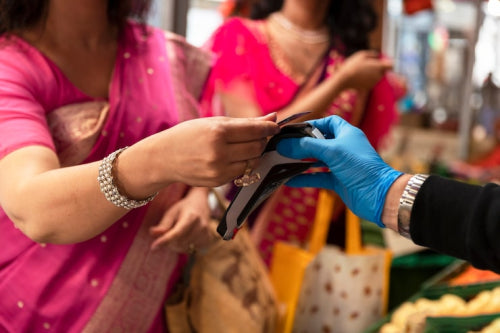
In a world overflowing with fast fashion and identical mass-produced garments, the higher price tag on a handmade saree often stops even seasoned shoppers in their tracks. Yet for discerning women in India, the US, Singapore, Australia, the UK, and the UAE who prize authenticity, that premium signals something deeper: fair value grounded in human artistry, ethical practices, and enduring quality.
Handmade sarees, especially those woven from pure linen, silk, or cotton by skilled artisans, carry living traditions in every thread. These garments stand apart from machine-made versions turned out in vast quantities. They reflect generations of inherited knowledge and painstaking attention to detail. Platforms dedicated to artisan-direct connections, such as indiehaat.com, focus on delivering these authentic pieces straight from the makers, eliminating unnecessary intermediaries to uphold fairness and individuality.
Fast fashion erodes cultural heritage, sidelining artisans and reducing traditions to trends. At IndieHaat, we champion India's craftspeople with handcrafted sarees, apparel, décor, and skincare rooted in authenticity. Each piece embodies skill and ethical care. Support artisans and preserve India's timeless legacy Shop Now!
The Real Value Behind the Higher Price
Encountering a handmade saree that costs more than its ready-to-wear counterpart prompts a natural question: why the difference? The answer rarely lies in simple profit margins. It stems from the many hours often spanning days or weeks of dedicated labor by artisans who have refined their techniques across lifetimes. Every motif, border, and pallu emerges through hands attuned to the unique drape and behavior of natural fabrics in ways no machine can match.
The choice of materials further justifies the investment. Pure linen delivers exceptional breathability suited to varied climates, silk offers a natural sheen and fluidity that synthetics rarely equal, and authentic cotton provides unmatched softness without unwanted chemical traces. These selections prioritize genuine comfort, lasting durability, and deep cultural resonance rather than fleeting trends.
Direct Artisan Sourcing Creates a Fairer System
A compelling reason to embrace the value of handmade sarees rests in their sourcing model. When buyers connect directly with artisans, a greater portion of the price supports the creators themselves. This approach strengthens rural communities and helps safeguard traditional crafts that risk disappearing amid industrial pressures.
Women across the primary target regions from vibrant urban centers in India to diaspora communities in the US, Singapore, Australia, the UK, and the UAE actively seek items that reflect their principles. Many draw inspiration from creators sharing on Instagram, Facebook, and YouTube, where ethnic wear is celebrated for its heritage and sustainable qualities. These audiences recognize that paying a fair price for skilled work sustains both people and time-honored practices.
Exclusivity Through One-of-a-Kind Designs
Mass production thrives on uniformity and repetition. Handmade sarees, however, honor distinctiveness. Artisans blend regional methods, personal creativity, and subtle differences to produce pieces that feel truly singular. Identical replicas rarely appear in mainstream retail or crowded online spaces.
This sense of exclusivity enhances both perceived and genuine worth. A saree transforms from ordinary attire into a cherished heirloom, suitable for meaningful occasions or even generational passing. Women who cherish personal style gravitate toward designs that mirror their individuality instead of conforming to fast-changing global trends.
Confronting the Most Common Concerns
Hesitation arises naturally when a saree carries a premium price. Three frequent objections emerge: concerns over cost, doubts about trustworthiness, and the challenge of assessing texture and drape without physical contact.
Pricing becomes clearer when viewed through the lens of true production realities. The amount covers expert craftsmanship, superior natural materials, and responsible methods rather than exploited labor or artificial substitutes. With proper care, these sarees often deliver better long-term value by retaining beauty, resisting wear, and offering versatility across many uses.
Building trust online for intimate purchases like sarees requires transparency. Established platforms address this through comprehensive descriptions, detailed close-ups of weaves and finishes, and clear information about origins. Supportive policies, including straightforward returns, let customers evaluate the garment's feel and movement in their own setting.
The desire to touch and experience fabric remains deeply human. While nothing fully substitutes for in-person handling, rich photography, movement videos, and genuine customer accounts help close the distance. Many who receive their order discover that the actual piece surpasses anticipation thanks to the evident dedication in its making.
Handmade Sarees Offer Superior Long-Term Worth
Fast fashion provides quick satisfaction at modest upfront costs, yet it frequently carries unseen burdens including environmental strain and compromised labor standards while garments often fade or lose form after limited wear. Handmade alternatives foster a more thoughtful connection with clothing, emphasizing appreciation, resilience, and conscious decisions.
Fabrics such as linen, silk, and cotton mature beautifully with time and attentive care. They adapt naturally to the body and surroundings, gaining a pleasing softness that manufactured options seldom develop. For women navigating demanding schedules alongside cultural observances, this reliability means versatile pieces suited to diverse settings and seasons.
Market Interest in Artisanal and Thoughtful Fashion
Appreciation for handmade and sustainable creations continues to expand. The global handicraft sector shows notable momentum, propelled by consumer interest in unique, locally inspired items crafted through established techniques. People increasingly look for products that deliver more than basic function they desire connections to skill, culture, and mindful production.
In broader fashion conversations, preferences lean toward customization, quality materials, and responsible approaches, especially among those who see their choices as expressions of personal priorities. This movement toward deliberate consumption helps explain growing acceptance of investing thoughtfully in pieces that hold meaning beyond the moment.
Women Who Gain the Most from Handmade Choices
Women in the core target regions often balance active lives while valuing occasions where heritage meets contemporary style. Whether selecting a saree for family events, professional settings with cultural touches, or personal connection to roots, handmade options instill assurance rooted in knowing the item was produced with care and integrity.
Enthusiasts following style discussions on Instagram, Facebook, and YouTube regularly highlight how authentic ethnic wear enhances their collections. These channels function as vibrant spaces for sharing real insights on drape, hue, and hand-feel, guiding others toward confident selections.
Practical Ways to Assess True Value
- Examine the full narrative: Who created it? Which materials feature? How was it obtained?
- Evaluate endurance: Will the piece preserve its appeal through repeated use and cleaning?
- Weigh the less tangible rewards: The fulfillment of backing artisans and acquiring something distinctive.
- Rely on direct experience upon arrival: Genuine fabrics reveal characteristic textures, weights, and qualities absent in mass alternatives.
Bridging the Gap in Online Fabric Evaluation
Digital clothing purchases have advanced considerably. Thorough measurement references, material breakdowns, and varied visual perspectives simulate store-like assessment. Buyers frequently note that their initial handmade saree reveals its excellence immediately through improving softness with wear, steadfast colors, and naturally flattering movement.
Curated sites like indiehaat.com emphasize this openness to ease doubts for shoppers in India and international locations who lack convenient access to traditional artisan venues.
Choosing Craftsmanship as a Meaningful Commitment
In the end, the elevated price of a handmade saree functions less as a barrier and more as an opening to reflect, honor expertise, and select clothing aligned with lasting principles. Amid disposable fashion trends, these creations underscore that certain items gain character and utility through time and mindful stewardship.
Those familiar with the distinction often find subsequent decisions straightforward. A saree bearing the imprint of human hands provides immediate elegance alongside links to vibrant living customs. It embodies equitable rewards for makers, pure materials that honor wearer and surroundings, and patterns that defy the uniformity of large-scale output.
When you next pause before an elegantly crafted saree with its accompanying price, take a moment to view the wider context. Its worth frequently reaches well past the label, touching realms of tradition, responsibility, and sustained personal expression. Opting for handmade means acquiring more than apparel. It involves supporting something significant that enriches both closet and perspective.
Whether discovering artisan-focused sources or simply cultivating greater respect for traditional skills, handmade sarees quietly demonstrate why select items justify their cost through depth of meaning and quality of experience.
Frequently Asked Questions
Why are handmade sarees more expensive than machine-made ones?
Handmade sarees carry a higher price because each piece requires days or weeks of skilled artisan labor using traditional techniques passed down through generations. They feature premium natural fabrics like pure linen, silk, and cotton for unmatched breathability, durability, and comfort qualities mass-produced garments simply cannot match. Platforms like IndieHaat ensure direct artisan sourcing, so a larger share of the price supports ethical practices and fair wages rather than factory margins.
Are handmade sarees worth the higher price tag?
Yes, handmade sarees deliver superior long-term value as heirloom-quality pieces that become softer with wear, retain color and drape far longer than fast fashion, and resist fading or losing shape. Their one-of-a-kind designs and ethical production make them more than clothing they preserve cultural heritage while offering exclusivity and versatility for everyday and special occasions. Women in India, the US, UK, Singapore, Australia, and the UAE find they represent thoughtful investment over disposable trends.
How can I trust the quality of handmade sarees when shopping online?
Trusted platforms like IndieHaat build confidence with detailed descriptions, close-up weave photos, fabric origin details, and movement videos that showcase the authentic hand-feel and drape. Clear return policies let you evaluate texture and fit at home, while genuine customer stories confirm the superior quality of natural fibers. This transparency ensures every saree arrives exactly as described, often exceeding expectations.
Disclaimer: The above helpful resources content contains personal opinions and experiences. The information provided is for general knowledge and does not constitute professional advice.
You may also be interested in: The Economics of Handmade Apparel in a Price-Sensitive Market
Fast fashion erodes cultural heritage, sidelining artisans and reducing traditions to trends. At IndieHaat, we champion India's craftspeople with handcrafted sarees, apparel, décor, and skincare rooted in authenticity. Each piece embodies skill and ethical care. Support artisans and preserve India's timeless legacy Shop Now!
Powered by flareAI.co