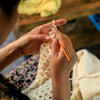
Why Consumers Are Choosing Artisan Pieces Over Fast Fashion
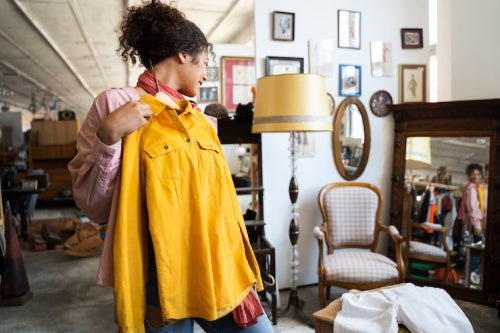
Quick Listen:
Picture a bustling market in Jaipur, where a weaver threads vibrant silk into a saree that will one day grace a wardrobe halfway across the globe. Now imagine a shopper in New York, scrolling through an online boutique, captivated not just by the fabric's glow but by the story of the hands that crafted it. This is no fleeting trend it's a seismic shift in how we consume fashion. As the world grows weary of fast fashion's environmental and ethical toll, consumers are embracing artisan-made pieces that embody sustainability, heritage, and unparalleled craftsmanship.
The fashion industry, a trillion-dollar powerhouse, thrives on producing and distributing apparel, footwear, and accessories at scale. Yet, its dominant model fast fashion has come under fire. Brands like H&M, Shein, and Zara churn out trendy, low-cost clothing by replicating high-fashion designs, often outsourcing production to low-wage countries. This approach, while profitable, perpetuates cycles of inequality and environmental harm, reminiscent of colonial exploitation. In contrast, the global handicrafts market, valued at $739.95 billion in 2024, is projected to reach $983.12 billion by 2030, with a compound annual growth rate (CAGR) of 4.9%. In North America, the market stood at $361 billion in 2024 and is expected to soar to $768 billion by 2033, driven by an 8.7% CAGR. Why? Consumers are prioritizing eco-friendly, handmade goods that tell a story over disposable trends.
This shift isn't just about aesthetics it's about values. Handcrafted items, particularly those from Indian artisans, offer a connection to culture and tradition that fast fashion can't replicate. A hand-embroidered shawl from Kashmir or a block-printed kurta from Gujarat carries the weight of generations, each stitch a testament to skill and heritage.
The Rise of Purpose-Driven Shopping
Several forces are driving this pivot toward artisan goods. Sustainability tops the list. Fast fashion's environmental footprint water waste, carbon emissions, and textile landfills has fueled a demand for greener alternatives. Consumers are increasingly choosing products made from natural, biodegradable, or upcycled materials, crafted in small-scale, artisanal settings, as highlighted in a North American market analysis. Handmade goods align perfectly with this ethos, offering low-impact production and enduring quality.
Authenticity is another draw. Shoppers today crave unique, personalized products that reflect cultural heritage. A global handicrafts report forecasts the market to grow from $787.85 billion in 2024 to $2,403.60 billion by 2034, with a robust CAGR of 11.8%, driven by demand for customized designs and materials. Handprinted textiles and scarves, growing at a 13.5% CAGR, embody this trend, offering individuality in a world of mass-produced sameness. Unlike fast fashion's anonymous supply chains, artisan goods come with a narrative who made it, where, and how.
Quality is a critical factor, too. Fast fashion's cheap materials often mean garments that unravel quickly, destined for the bin. Artisan pieces, by contrast, are built to last. The 2024 handicrafts market data shows woodwork leading with a 26.71% revenue share, followed closely by textiles, prized for their durability and timeless appeal. These are investments, not impulse buys.
The digital age has supercharged this movement. E-commerce platforms have democratized access to artisanal goods, connecting rural craftspeople to global markets. From Etsy to specialized sites showcasing Indian crafts, these marketplaces make it easy for consumers to discover and purchase unique pieces, amplifying the reach of artisans who might otherwise remain obscure.
Real Stories, Real Impact
In villages across India, artisans are finding new opportunities through this global demand. Weavers in Kutch, for instance, create intricate bandhani textiles that now adorn homes and wardrobes in Europe and North America, thanks to online platforms. Collaborations between modern designers and traditional craftspeople are also thriving. A Mumbai-based designer might partner with a cooperative in Odisha to produce contemporary clothing using ancient ikat techniques, blending heritage with modern style. These partnerships not only create stunning products but also preserve crafts at risk of fading away.
Consumers are part of this story, too. A buyer in Seattle might choose a handwoven Pashmina shawl because it supports a Himalayan artisan community. Another in London might opt for a hand-carved sandalwood box, drawn to its sustainable materials and cultural significance. These choices reflect a broader shift toward purchases that align with personal values sustainability, ethical production, and cultural preservation. As one market report notes, the demand for products reflecting ethnic diversity is surging, particularly in regions like Asia Pacific, where India leads with a 14.1% CAGR.
Navigating the Challenges
Yet, the artisan market faces significant hurdles. Handcrafted goods often carry a premium price, which can alienate budget-conscious shoppers in a cost-of-living crisis. Scaling production without compromising authenticity is another tightrope. Over-commercialization risks turning artisan work into just another commodity, stripping away its soul. The rise of “fake artisanal” products mass-produced items masquerading as handmade further threatens consumer trust. Supply chain complexities also pose challenges; artisanal production is inherently slower, with inconsistent timelines that can frustrate retailers accustomed to fast fashion's speed.
Still, the opportunities outweigh the obstacles. Brands that embrace artisan goods can carve out a unique niche, positioning their products as both luxurious and ethical. As Vogue Business reports, consumers are redefining luxury to prioritize craftsmanship, sustainability, and cultural relevance qualities artisan pieces embody. The global appetite for these goods is growing, with India and China driving the Asia Pacific market at 13.3% CAGR. For retailers, transparency and storytelling are key to winning over discerning buyers.
Beyond commerce, the artisan movement has profound social impact. By supporting traditional crafts, consumers are preserving cultural heritage and boosting economic empowerment. In India, where rural artisans often face precarious livelihoods, this demand translates into higher incomes and better living standards, particularly for women and marginalized communities.
A Future Woven by Hand
The rise of artisan goods is more than a market trend it's a cultural renaissance. Every handcrafted piece, from a Kantha-stitched quilt to a brass-inlaid tray, carries a story of human skill and resilience. As sustainability advocates and fashion analysts predict, this movement will only grow, especially among Gen Z and millennials who see their purchases as statements of identity and ethics. For brands, the challenge is to scale thoughtfully, maintaining the authenticity that makes these goods special while embracing transparency and compelling storytelling.
In a world dominated by fast fashion's fleeting trends, the artisan movement offers a counterpoint: a return to the human, the meaningful, and the enduring. It's a reminder that what we wear and bring into our homes can do more than look good it can do good. As this trend reshapes the fashion landscape, it's clear that the future belongs to the hands that craft with care, one timeless piece at a time.
Frequently Asked Questions
What is driving the shift from fast fashion to artisan-made clothing?
The shift is primarily driven by sustainability concerns, demand for authenticity, and desire for higher quality products. Fast fashion's environmental impact including water waste, carbon emissions, and textile waste has led consumers to seek eco-friendly alternatives. Additionally, shoppers increasingly value unique, handcrafted pieces that tell a story and reflect cultural heritage, rather than mass-produced items from anonymous supply chains.
How big is the artisan and handicrafts market compared to fast fashion?
The global handicrafts market is experiencing significant growth, valued at $739.95 billion in 2024 and projected to reach $983.12 billion by 2030 with a 4.9% CAGR. In North America alone, the market is expected to grow from $361 billion in 2024 to $768 billion by 2033 at an 8.7% growth rate. This growth reflects consumer's increasing preference for handmade, sustainable goods over disposable fast fashion trends.
What are the main challenges facing the artisan goods market?
The artisan market faces several key challenges including premium pricing that can deter budget-conscious consumers, difficulty scaling production while maintaining authenticity, and the rise of "fake artisanal" mass-produced items that threaten consumer trust. Additionally, artisanal production typically involves slower, inconsistent timelines that can frustrate retailers accustomed to fast fashion's rapid delivery cycles, making supply chain management more complex.
Disclaimer: The above helpful resources content contains personal opinions and experiences. The information provided is for general knowledge and does not constitute professional advice.
You may also be interested in: Fast Fashion vs. Slow Fashion: Understanding the Shift Towards
Fast fashion erodes cultural heritage, sidelining artisans and reducing traditions to trends. At IndieHaat, we champion India's craftspeople with handcrafted sarees, apparel, décor, and skincare rooted in authenticity. Each piece embodies skill and ethical care. Support artisans and preserve India's timeless legacy Shop Now!
Powered by flareAI.co