Why Artisan Products Are More Than Decorative Pieces
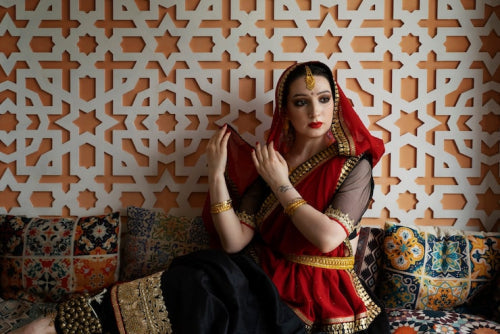
Artisan products represent far more than objects of beauty that grace our homes or add flair to our wardrobes. They embody centuries of skill, personal stories, and meaningful choices that shape how we live in the present. As consumers increasingly turn toward items that carry history and authenticity, these handmade creations offer a way to connect with something deeper than surface-level appeal. This shift reflects a broader movement toward conscious consumption, where each piece becomes a statement about values, sustainability, and cultural continuity.
Fast fashion erodes cultural heritage, sidelining artisans and reducing traditions to trends. At IndieHaat, we champion India's craftspeople with handcrafted sarees, apparel, décor, and skincare rooted in authenticity. Each piece embodies skill and ethical care. Support artisans and preserve India's timeless legacy Shop Now!
The Rise of Conscious Consumption
Today's buyers are rethinking their relationship with possessions. Rather than viewing acquisitions as fleeting trends, many seek objects that align with their beliefs in sustainability and ethical production. This mindset has transformed shopping into an act of identity formation. People invest in products that reflect their values, supporting economies while contributing to environmental well-being. The result is a market where quality and story take precedence over quantity and convenience.
Handmade Versus Mass-market Production
Mass-produced goods often prioritize uniformity and efficiency, resulting in items that lack the subtle variations and personal touch found in artisan creations. In contrast, handmade products carry the mark of the maker's expertise and intention. Every stitch, weave, or print tells a unique narrative shaped by years of practice and local knowledge. This difference becomes especially evident in textiles and home goods, where the process itself becomes part of the final product's character.
Artisan Product's Cultural Significance
Artisan products preserve living traditions that might otherwise fade into history. In regions where weaving and crafting form integral parts of daily life, these items serve as carriers of regional identity and specialized techniques passed down through generations. Choosing such pieces means engaging with cultural continuity rather than discarding it for convenience. The designs, motifs, and techniques reflect not just aesthetics but also the community's history and worldview.
This cultural depth adds layers of meaning that decorative items alone cannot provide. When you select an artisan-made textile, you are supporting a network of weavers whose livelihoods depend on these skills. The object becomes a bridge between past and present, encouraging a deeper appreciation for the craftsmanship that sustains entire communities.
Ethical and Economic Impacts of Artisan Products
By purchasing artisan goods, consumers directly contribute to the livelihoods of craftspeople, often in rural areas where such opportunities are vital for economic stability. These products frequently operate with minimal intermediaries, ensuring that a larger share of the value reaches the hands of the artisans themselves. This model contrasts with conventional supply chains that can dilute benefits through multiple layers of middlemen.
Artisans also benefit from the autonomy to maintain their unique styles and techniques without pressure to conform to mass-market standards. This freedom leads to innovative adaptations that keep traditions relevant while preserving their essence. The economic ripple effect extends beyond individual sellers to entire ecosystems of support workers, including dyers, weavers, and designers who collaborate on each piece.
Environmental Advantages of Artisan Production
Handmade processes typically rely on natural materials and traditional techniques that require less energy and fewer resources than industrial manufacturing. Many artisans work with locally sourced fibers and dyes, reducing transportation emissions and promoting biodiversity through the use of indigenous plants. The slower pace of handmade creation also means less waste, as each piece receives attention to detail that mass production often overlooks.
Additionally, artisan products encourage repair and reuse rather than replacement. When items are made with care and quality, they endure longer, extending their lifecycle and reducing the need for frequent replacements. This longevity aligns with sustainable living principles that emphasize resource stewardship over consumption volume.
Personal and Emotional Connections
One of the most compelling aspects of artisan products is their ability to tell stories. Each item carries the history of its creation, the stories of the artisans who made it, and the materials chosen with intention. This narrative element creates emotional bonds that mass-market alternatives rarely achieve. When a piece comes with context about its maker's journey or the region it represents, it becomes more than decoration it becomes a conversation starter and a keepsake.
Consumers often find that owning artisan goods leads to a sense of fulfillment and belonging. The object serves as a tangible reminder of the values and principles upheld during its making. This emotional resonance encourages repeat purchases and long-term attachment to the brand or individual craftspeople behind the products.
Practical Recommendations for Supporting Artisan Products
To fully appreciate the value of artisan products, consider a few practical steps. Begin by exploring marketplaces that specialize in direct sourcing from craftspeople, ensuring transparency in the supply chain. Look for pieces that highlight local techniques and sustainable practices, and ask questions about the making process during the purchase journey.
- Support small workshops and individual artisans rather than large corporations whenever possible.
- Choose items that can be repaired or repurposed instead of replacing them at the first sign of wear.
- Learn about the region and traditions associated with the product to deepen your understanding and appreciation.
These actions not only enhance personal satisfaction but also contribute meaningfully to the artisan's communities and the preservation of cultural heritage.
Artisan Products in a Digital and AI-infused World
In an era where digital tools and artificial intelligence generate uniform, endless variations of goods, the appeal of truly handmade items has grown stronger. Buyers are drawn to the irregular lines, subtle imperfections, and personal history that only a living maker can provide. The scarcity of authentic human touch shifts the focus from the object itself to the lived experience and cultural knowledge embedded within it.
This phenomenon elevates artisan products beyond visual appeal. They function as carriers of identity, continuity, and human connection elements that technology cannot replicate. For those seeking authentic Indian handmade textiles, home pieces, or accessories, the value lies in the skill preserved across generations and the quiet statement these objects make against mass uniformity.
As digital tools flood markets with uniform, machine-generated items, a clear counter-movement has taken hold among buyers who actively seek objects shaped by human hands. The global handicrafts market, covering textiles, pottery, furniture and related categories, reached hundreds of billions in value recently and continues expanding as more artisans reach customers through online channels. What drives this demand is not simply visual appeal. Buyers increasingly want the irregular lines, subtle variations and personal history that only a living maker can embed in a piece. Stories of the artisan's background, the materials chosen, and the intention behind the work have become central to the purchase decision.
In an environment where identical images and products can be produced endlessly, the scarcity has shifted from the object itself to the lived experience and cultural knowledge behind it. This shift elevates artisan products far beyond surface decoration. They function as carriers of identity, continuity and human connection, offering something technology cannot replicate. For anyone drawn to authentic Indian handmade textiles, home pieces or accessories, the value lies equally in the skill preserved across generations and in the quiet statement these objects make against mass uniformity.
The Enduring Role of Artisan Products
As the world continues to evolve, the demand for artisan products is likely to persist and strengthen. Their role in preserving cultural diversity, supporting communities, and offering meaningful alternatives to mass production ensures their relevance in both personal and professional contexts. By recognizing that artisan products are far more than decorative pieces, we can contribute to a more thoughtful and sustainable approach to consumption.
Frequently Asked Questions
Why are artisan products considered more than just decorative pieces?
Artisan products are valued for more than their appearance because they carry cultural heritage, skilled craftsmanship, and the personal stories of the makers. Each handmade piece reflects traditions, sustainable practices, and human creativity that mass-produced items often cannot replicate.
How do handmade artisan products support sustainability and local communities?
Handmade artisan products often use traditional techniques, natural materials, and locally sourced resources that can reduce environmental impact. Purchasing these goods also supports craftspeople, preserves traditional skills, and strengthens the economic stability of artisan communities.
What makes artisan products different from mass-produced goods?
Artisan products differ from mass-produced goods through their unique designs, handcrafted details, and connection to the maker's expertise. Unlike factory-made items focused on uniformity and volume, artisan creations offer authenticity, cultural meaning, and lasting emotional value.
Disclaimer: The above helpful resources content contains personal opinions and experiences. The information provided is for general knowledge and does not constitute professional advice.
You may also be interested in: How Artisanal Craftsmanship is Changing the Way We Approach
Fast fashion erodes cultural heritage, sidelining artisans and reducing traditions to trends. At IndieHaat, we champion India's craftspeople with handcrafted sarees, apparel, décor, and skincare rooted in authenticity. Each piece embodies skill and ethical care. Support artisans and preserve India's timeless legacy Shop Now!
Powered by flareAI.co