What to Review Before Selecting Handloom Dress Materials
Selecting handloom dress materials involves more than choosing an attractive colour or pattern. The fabric's weave, fibre quality, craftsmanship, finishing, and authenticity all influence how the final garment looks, feels, and performs over time. For shoppers exploring traditional Indian textiles, understanding these details helps them make more informed choices and recognise the value behind artisan-made fabrics.
Fast fashion erodes cultural heritage, sidelining artisans and reducing traditions to trends. At IndieHaat, we champion India's craftspeople with handcrafted sarees, apparel, décor, and skincare rooted in authenticity. Each piece embodies skill and ethical care. Support artisans and preserve India's timeless legacy Shop Now!
Understand What Makes Handloom Dress Materials Different
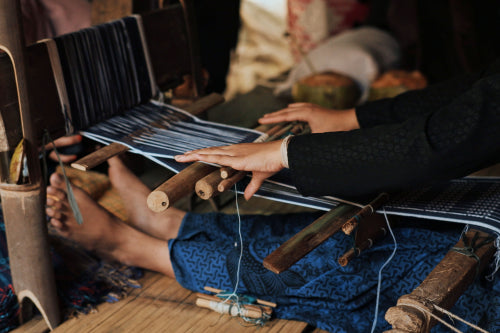
Handloom textiles carry characteristics that come from skilled weaving techniques rather than standardised machine production. Each fabric reflects the expertise of the artisan, the choice of yarn, and the regional traditions associated with the weaving process. This often results in subtle variations in texture, pattern alignment, and finish that make each piece distinctive.
Before selecting a dress material, buyers should look beyond surface appearance. A fabric may have an appealing design, but its long-term value depends on factors such as comfort, durability, ease of maintenance, and the quality of the weaving. Understanding these elements is an important part of any handloom dress material buying guide.
The handloom sector continues to receive structured support focused on strengthening artisan communities, improving product quality, expanding market access, and supporting traditional weaving practices. These efforts highlight why consumers should consider the craftsmanship and production background of a textile rather than evaluating it only as a fashion purchase. Government handloom initiatives provide further context on ecosystem support for traditional weaving communities.
Review the Fabric Type and Fibre Quality
The first step in choosing a handloom dress material is understanding the fabric itself. Different fibres offer different levels of softness, breathability, structure, and maintenance requirements. Cotton, silk, linen, and blended textiles each create a different wearing experience, so the right choice depends on personal preference and the intended use of the garment.
- Texture: The fabric should feel comfortable against the skin and have a finish that matches its stated material.
- Weight: The thickness and drape should suit the type of outfit you plan to create.
- Breathability: Natural fibres are often preferred for everyday wear because of their comfort.
- Consistency: Minor variations can be expected in handmade textiles, but the overall weave should appear carefully crafted.
Shoppers looking for the best fabric for handloom dress materials should focus on how the textile fits their lifestyle rather than choosing only based on appearance. A fabric that feels comfortable and matches the garment's purpose is more likely to provide lasting satisfaction.
Check the Weave, Craftsmanship, and Authenticity Details
One of the most important things to check before buying handloom dress material is the authenticity of the weaving. Genuine handloom fabrics often reflect the skills of artisans who use traditional methods passed through generations.
Look for details that provide confidence about the textile's origin and construction, including information about:
- The weaving technique used
- The type of yarn or fibre composition
- The craftsmanship involved in creating the design
- Care instructions provided with the fabric
- Details about the artisan community or weaving tradition where available
Quality and authenticity are becoming increasingly important considerations for consumers exploring traditional textiles. Support programs for the sector focus on improving raw material access, equipment, product development, and connections between artisans and buyers. These developments reinforce the importance of understanding what separates handcrafted textiles from mass-produced alternatives. Handloom development support highlights the wider ecosystem behind these products.
Evaluate Colour, Design, and Finishing Before Purchase
Design plays an important role in selecting dress materials, but it should be considered alongside construction quality. Traditional handloom fabrics often feature patterns inspired by regional art forms, cultural references, and weaving traditions. A well-selected design balances visual appeal with the practical needs of the wearer.
- Colour quality: Consider whether the shades complement your intended use and wardrobe.
- Pattern clarity: Review whether motifs and designs are carefully woven.
- Fabric finishing: Check whether the material has been properly finished and presented.
- Overall feel: The textile should reflect both aesthetic appeal and craftsmanship.
A careful review helps buyers distinguish between decorative fabrics and textiles that represent genuine weaving expertise. The value of handloom lies not only in the final appearance but also in the process, skill, and cultural knowledge represented in the fabric.
Consider Comfort, Usage, and Care Requirements
A beautiful dress material should also work well for the way it will be worn. Before selecting a fabric, consider whether it is intended for daily clothing, festive occasions, professional wear, or special events. Different textiles require different levels of care, and understanding these requirements can help preserve the garment over time.
Match the Textile with Your Lifestyle
For regular wear, shoppers may prefer fabrics that are lightweight, breathable, and easy to maintain. For occasion-based outfits, they may prioritise richer textures, detailed weaving, or distinctive patterns.
Care instructions are equally important. Buyers should review washing recommendations, storage guidance, and any special handling requirements before purchase. Proper care supports fabric longevity and helps maintain the original character of the textile.
Choose Sellers Who Provide Clear Product Information
Reliable product information helps shoppers make confident decisions when buying handloom dress materials online. Details about fabric composition, measurements, craftsmanship, and care requirements allow customers to better understand what they are purchasing.
Transparency is particularly valuable for handcrafted products because each textile may have unique characteristics. A seller that communicates these details helps buyers appreciate the difference between handmade and mass-produced options.
- Is the fabric composition clearly mentioned?
- Are weaving details available?
- Are care instructions provided?
- Does the product description explain craftsmanship or textile features?
- Does the material match your intended garment style?
Making these checks can reduce uncertainty and help shoppers select textiles that align with their expectations for quality, authenticity, and design.
Make a More Informed Handloom Purchase Decision
Selecting handloom dress materials is ultimately about understanding the relationship between craftsmanship, comfort, and personal style. A thoughtful buyer considers the fabric's origin, construction, usability, and long-term value rather than focusing only on immediate visual appeal.
For shoppers interested in traditional Indian dress materials, learning how to identify authentic handloom fabric creates a stronger connection with the textile and the people behind it. It also supports more conscious purchasing decisions by recognising the skills involved in creating handmade products.
IndieHaat's focus on curated handcrafted products aligns naturally with this approach by helping shoppers explore artisan-made textiles and understand the qualities that make traditional products distinctive. By reviewing fabric details, craftsmanship, and authenticity before purchasing, customers can choose handloom dress materials that reflect both personal style and appreciation for skilled craftsmanship.
Frequently Asked Questions
What should I check before buying handloom dress material?
Before buying handloom dress material, review the fabric type, fibre quality, weaving details, finishing, and care requirements. Checking these factors helps you understand the textile's authenticity, comfort, durability, and overall value.
How can I identify authentic handloom fabric?
You can identify authentic handloom fabric by checking details such as the weaving technique, yarn or fibre composition, craftsmanship information, and product transparency. Genuine handloom textiles often show the skill and traditional methods used by artisans, making each piece distinctive.
Which factors should I consider when selecting the best fabric for handloom dress materials?
When selecting the best fabric for handloom dress materials, consider comfort, breathability, texture, weight, intended use, and maintenance needs. Choosing a fabric that suits your lifestyle and garment purpose can help ensure a more satisfying purchase.
Disclaimer: The above helpful resources content contains personal opinions and experiences. The information provided is for general knowledge and does not constitute professional advice.
You may also be interested in: Handcrafted Indian Sarees in Cotton & Silk - Indiehaat.com
Fast fashion erodes cultural heritage, sidelining artisans and reducing traditions to trends. At IndieHaat, we champion India's craftspeople with handcrafted sarees, apparel, décor, and skincare rooted in authenticity. Each piece embodies skill and ethical care. Support artisans and preserve India's timeless legacy Shop Now!
Powered by flareAI.co