What to Consider When Choosing Ethical Fashion Brands
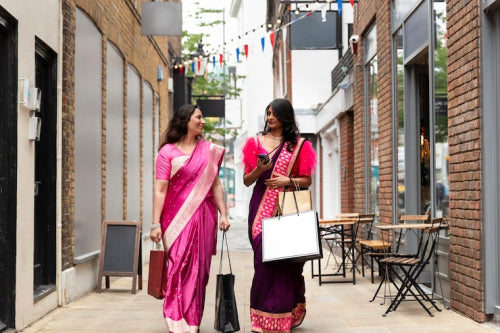
Choosing ethical fashion brands requires more than looking at a sustainability label or a carefully written brand statement. Shoppers increasingly want to understand how clothing is made, where materials come from, and whether a brand's values are reflected in its everyday practices. A thoughtful evaluation process can help consumers identify brands that prioritise responsible production, transparency, craftsmanship, and long-term value rather than relying only on marketing messages.
Ethical fashion is built around the relationship between people, products, and production processes. For shoppers, this means looking beyond the finished garment and considering the decisions behind it. The materials selected, the treatment of workers, the approach to sourcing, and the durability of products all provide important clues about a brand's approach.
One of the first questions to ask is whether a brand clearly explains its practices. Ethical fashion brands often provide information about their materials, production partners, craftsmanship methods, and environmental priorities. Transparency does not mean every business must have a perfect system; it means the brand is willing to communicate honestly about its choices and areas where it continues to improve.
For conscious shoppers, the goal is not simply to find clothing described as sustainable. It is to develop the ability to recognise meaningful actions behind ethical claims.
Fast fashion erodes cultural heritage, sidelining artisans and reducing traditions to trends. At IndieHaat, we champion India's craftspeople with handcrafted sarees, apparel, décor, and skincare rooted in authenticity. Each piece embodies skill and ethical care. Support artisans and preserve India's timeless legacy Shop Now!
Look for Transparency Across the Supply Chain
A brand's supply chain can reveal a great deal about its commitment to responsible fashion. From raw materials to manufacturing and final delivery, each stage influences the social and environmental impact of a product.
When evaluating a brand, consider whether it shares details about where products are made, who creates them, and how materials are sourced. Clear information about suppliers and production methods helps shoppers understand whether ethical commitments are supported by real processes.
Supply chain visibility has become an important consideration for consumers who want confidence in their purchases. Supply chain traceability helps brands and customers understand the journey of a product, including the origins of materials, manufacturing relationships, and production practices.
For handmade and artisan-focused fashion, transparency can be especially meaningful. Craftsmanship often involves specialised skills passed through communities over generations. Understanding the people and processes behind a product allows customers to appreciate the work involved rather than viewing clothing as a disposable item.
Understand Materials and Production Practices
The materials used in clothing influence both environmental impact and product quality. Ethical shoppers often look for brands that provide information about fabric choices, sourcing methods, and production decisions.
A responsible approach to materials involves considering more than whether a fabric is described as eco-friendly. Shoppers can ask questions such as whether materials are responsibly sourced, whether production methods reduce unnecessary waste, and whether the final product is designed to last.
Durability is an important part of sustainable fashion because clothing that remains useful for longer can support a more thoughtful relationship with consumption. A well-made garment is not only about appearance; it reflects decisions about construction, craftsmanship, and care.
Brands that combine traditional techniques with responsible material choices can offer an alternative to fast-changing trends. Handmade products, when thoughtfully created, often highlight the value of skill, patience, and attention to detail.
Evaluate Environmental Commitments Beyond Marketing Claims
Environmental responsibility is another important factor when choosing ethical fashion brands. Many brands communicate sustainability goals, but shoppers benefit from looking for specific actions rather than broad statements.
A meaningful environmental approach may include efforts related to materials, production processes, energy use, waste reduction, and long-term improvements. The most useful information is usually specific: what is changing, why it matters, and how the brand measures progress.
Fashion brands are facing increasing expectations to address climate responsibility throughout their operations. Discussions around fashion climate responsibility highlight the importance of moving beyond general sustainability language and focusing on practical steps such as reducing emissions and improving production practices.
Consumers should also remain aware of greenwashing, where sustainability messaging may appear stronger than the actions behind it. Looking for evidence, explanations, and consistent communication can help shoppers separate genuine commitments from surface-level claims.
Ask the Right Questions Before Buying
A sustainable fashion shopping guide is not only about identifying brands; it is also about asking better questions. Before making a purchase, shoppers can consider several factors that reveal how a company approaches responsibility.
- Where is the product made? Understanding production locations and maker relationships can provide insight into a brand's approach.
- What materials are used? Brands that explain their material choices make it easier for customers to make informed decisions.
- How long is the product designed to last? Quality and durability are important parts of responsible consumption.
- Does the brand explain its values clearly? Honest communication can indicate a stronger commitment to accountability.
- Does the brand support craftsmanship? Products created through skilled processes often carry cultural and social value beyond their physical form.
These questions help shoppers move from passive purchasing to more informed decision-making. Ethical fashion is not only about choosing a product; it is about understanding the choices that shaped it.
Consider Fairness, Craftsmanship, and Human Impact
Fashion involves people at every stage, from farmers and material producers to artisans, designers, and makers. Ethical fashion brands consider the human impact behind their products and work towards responsible relationships throughout their supply networks.
Fair treatment of workers and artisans is a key consideration for shoppers who want their purchases to reflect their values. While ethical practices can vary between brands, customers can look for information about maker partnerships, working conditions, and the recognition of skilled craftsmanship.
For artisan-made products, the connection between creator and customer can be especially significant. Traditional techniques, regional skills, and handmade processes represent knowledge that can be preserved through responsible purchasing choices.
Supporting craftsmanship also encourages a different perspective on fashion. Instead of focusing only on frequent replacement and changing trends, consumers can appreciate pieces created with intention and care.
Choose Brands That Align with Your Values
There is no single checklist that defines an ethical fashion brand for every shopper. Different consumers may prioritise different factors, such as environmental responsibility, artisan support, material choices, transparency, or product longevity.
The most effective approach is to look for consistency between what a brand communicates and what it demonstrates. A brand's values are reflected through its sourcing decisions, product information, customer communication, and willingness to provide meaningful details.
For shoppers exploring ethical fashion brands, choosing responsibly does not require perfection. It requires awareness, curiosity, and a willingness to consider the story behind each purchase.
Curated marketplaces and artisan-focused platforms can help consumers discover products where craftsmanship and responsible values are central to the buying experience. By paying attention to transparency, materials, production practices, and human impact, shoppers can make choices that better reflect their commitment to thoughtful fashion.
Frequently Asked Questions
What should I look for when choosing ethical fashion brands?
When choosing ethical fashion brands, look for transparency about materials, production methods, supply chains, and how workers and artisans are treated. Consider whether the brand provides clear information about its practices and whether its actions match its sustainability claims.
How can I tell if a fashion brand is truly sustainable and ethical?
You can evaluate a brand by checking its approach to sourcing, environmental responsibility, product durability, and supply chain transparency. Look for specific actions and information rather than relying only on broad sustainability statements or marketing messages.
Why is craftsmanship important when choosing sustainable fashion brands?
Craftsmanship is important because it highlights the skill, time, and human effort behind a product. Choosing handmade or artisan-focused fashion can support responsible production practices while encouraging a more thoughtful approach to clothing consumption.
Disclaimer: The above helpful resources content contains personal opinions and experiences. The information provided is for general knowledge and does not constitute professional advice.
You may also be interested in: Eco-friendly Fashion Tips from Indian Designers - Indiehaat.com
Fast fashion erodes cultural heritage, sidelining artisans and reducing traditions to trends. At IndieHaat, we champion India's craftspeople with handcrafted sarees, apparel, décor, and skincare rooted in authenticity. Each piece embodies skill and ethical care. Support artisans and preserve India's timeless legacy Shop Now!
Powered by flareAI.co