What Makes Small-Batch Creations Different
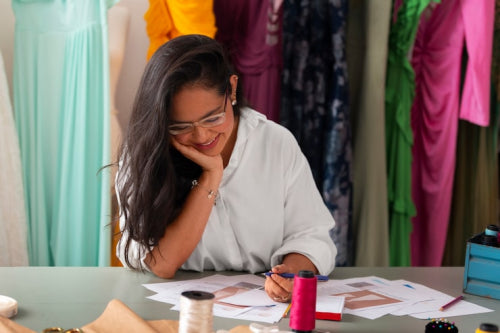
Small-batch creations offer something that mass production often struggles to provide: a visible connection between the maker, the material, and the finished piece. As consumers look more closely at how products are made, the value of limited-production goods is becoming clearer. The appeal is not only in owning something different, but in understanding the process, skill, and intention behind each creation. From handcrafted apparel to artisan-made home pieces, small-batch production reflects a slower approach where quality, heritage, and creativity are central to the outcome.
Small-batch creations are made in limited quantities, usually through processes that allow makers to focus closely on materials, techniques, and finishing details. Unlike large-scale manufacturing systems designed for speed and consistency, small-batch production allows room for human judgment at each stage.
This difference can be seen in the character of handmade goods. Slight variations in texture, colour, shape, or finish are not flaws; they are evidence of the process behind the product. Each piece carries traces of the person who created it and the methods they used, making the final result feel more personal and distinctive.
For shoppers, this creates a different relationship with what they purchase. Instead of selecting an item based only on appearance or price, they can appreciate the story behind the object, including the skills, traditions, and decisions that shaped it.
Fast fashion erodes cultural heritage, sidelining artisans and reducing traditions to trends. At IndieHaat, we champion India's craftspeople with handcrafted sarees, apparel, décor, and skincare rooted in authenticity. Each piece embodies skill and ethical care. Support artisans and preserve India's timeless legacy Shop Now!
The Value of Craftsmanship Beyond Mass Production
The difference between handmade and mass-produced products is often found in the attention given to individual pieces. Large-scale production typically focuses on efficiency, repeatability, and volume. Small-batch work prioritises careful making, allowing artisans to spend more time refining techniques and understanding materials.
Craftsmanship is built through knowledge passed across generations. Traditional methods often require experience that cannot be replaced simply by automation. The maker understands how materials respond, how techniques influence durability, and how small adjustments can improve the final piece.
In handcrafted textiles, for example, the process may involve carefully selected materials, manual techniques, and detailed finishing work. A garment created through this approach reflects decisions made throughout its creation rather than following a purely standardised production model.
Small-batch creations therefore represent more than limited availability. They represent a production philosophy where skill and attention remain important parts of the product experience.
Why Handmade Products Feel More Personal
One of the strongest reasons people choose artisan crafted products is the sense of connection they create. A handmade item often carries information about its origin: who created it, which techniques were used, and what traditions influenced its design.
This connection has become increasingly meaningful for consumers who want their purchases to reflect their values. Many shoppers are interested in products that feel thoughtful, authentic, and connected to real communities rather than anonymous production systems.
The individuality of small-batch goods also creates a sense of discovery. When every piece has subtle differences, the shopping experience becomes less about finding an identical replacement and more about finding something with its own character.
These qualities explain why unique handmade creations often become items people keep longer, value more deeply, and associate with personal memories or meaningful occasions.
Small-batch Production and Sustainable Choices
The benefits of small-batch production extend beyond aesthetics. A slower production approach encourages greater consideration of materials, processes, and long-term product value. Instead of focusing only on producing large quantities quickly, makers can pay closer attention to how resources are used.
Research into slow fashion highlights how traditional production systems can create stronger relationships between materials, makers, and consumers. A farm-to-closet slow fashion approach, for example, shows how clothing can maintain a clearer connection between raw materials, craftsmanship, and the people involved in creating the final product.
This approach challenges the idea that clothing and lifestyle products should be temporary. When buyers understand the work involved in creating an item, they often develop a greater appreciation for durability, care, and responsible ownership.
Sustainable small-batch products are not defined only by how they are made. They also represent a mindset that values thoughtful consumption, skilled labour, and products designed with purpose.
The Role of Artisans in Preserving Creative Traditions
Small-batch handmade goods play an important role in keeping traditional skills visible and relevant. Craft techniques often reflect regional histories, cultural identities, and knowledge developed over many years.
Handloom and artisan communities demonstrate how human-scale production can create products with distinctive character. According to handloom exclusivity discussions, handmade textiles gain their value from individual skill, regional design influences, and the inability to produce every piece as an exact copy.
Limited production can become a strength when it is recognised for what it offers: originality, craftsmanship, and cultural continuity. Instead of viewing smaller output as a limitation, consumers and brands can understand it as part of what makes artisan work meaningful.
Supporting these creative systems helps maintain opportunities for craftspeople while allowing traditional methods to continue evolving alongside modern preferences.
How Consumers Can Recognise Quality in Small-batch Goods
Understanding small-batch products helps shoppers make more informed choices. While every handmade item is different, several qualities can help identify the care behind a creation.
- Material awareness: Thoughtfully selected materials often reveal the maker's focus on quality and purpose.
- Visible craftsmanship: Details such as weaving, stitching, finishing, or handcrafted variations can show the human effort involved.
- Production transparency: Clear information about how and where an item is made helps consumers understand its origin.
- Long-term value: Products created with care are often appreciated for their lasting connection rather than short-term trends.
These considerations shift the buying process from simply choosing an item to appreciating the work behind it. A small-batch purchase becomes an opportunity to support creativity, skill, and thoughtful production practices.
Why Small-batch Creations Matter for the Future of Fashion and Design
The growing interest in small-batch creations reflects a broader change in how people think about products. Consumers are increasingly interested in authenticity, meaningful design, and the stories behind what they bring into their homes and wardrobes.
For fashion and lifestyle brands, this creates an opportunity to highlight craftsmanship rather than compete only on speed or quantity. Products with a clear connection to makers and methods can create stronger emotional value because they offer an experience beyond the object itself.
Small-batch production also encourages a more balanced view of innovation. Tradition and creativity do not have to exist separately. Artisans can preserve established techniques while adapting designs, materials, and ideas for contemporary audiences.
For shoppers exploring handmade goods, the difference lies in recognising that each creation represents more than a finished product. It represents time, expertise, and a relationship between people and materials.
Frequently Asked Questions
What are small-batch products and how are they different from mass-produced goods?
Small-batch products are created in limited quantities with greater attention to materials, craftsmanship, and finishing details. Unlike mass-produced goods that focus on speed and consistency, small-batch creations often reflect the maker's skills, techniques, and individual decisions throughout the production process.
Why are small-batch handmade goods considered more valuable?
Small-batch handmade goods are valued because they offer a stronger connection between the maker, the materials, and the final product. Their unique variations, traditional techniques, and careful production methods make them feel more personal and meaningful compared with identical factory-made items.
What are the benefits of choosing sustainable small-batch products?
Sustainable small-batch products encourage thoughtful consumption by focusing on quality, responsible production practices, and long-term value. They allow consumers to appreciate artisan craftsmanship while supporting creative traditions and products made with greater care.
Disclaimer: The above helpful resources content contains personal opinions and experiences. The information provided is for general knowledge and does not constitute professional advice.
You may also be interested in: How E-commerce Is Helping Small Artisans Reach a Global Market
Fast fashion erodes cultural heritage, sidelining artisans and reducing traditions to trends. At IndieHaat, we champion India's craftspeople with handcrafted sarees, apparel, décor, and skincare rooted in authenticity. Each piece embodies skill and ethical care. Support artisans and preserve India's timeless legacy Shop Now!
Powered by flareAI.co